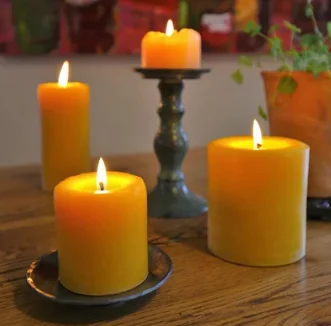
The gentle glow of a honey candle has captivated people for centuries, far beyond simply providing light. These unique candles, crafted from beeswax and infused with the sweet essence of honey, offer a sustainable, non-toxic, and naturally fragrant alternative to traditional paraffin wax candles. Their inherent qualities – a longer, cleaner burn, and a subtle honey aroma – are gaining recognition in a world increasingly focused on eco-conscious living and well-being.
The global interest in natural and sustainable products is driving the demand for honey candles. According to a 2023 report by Grand View Research, the global candle market is expected to reach $13.35 billion by 2030, with the natural wax segment growing at a significantly higher rate than paraffin alternatives. This shift reflects a growing awareness of the health and environmental impacts of conventional candles, prompting consumers to seek out cleaner, more responsible options.
Understanding the intricacies of honey candle production, composition, and benefits isn’t just about appreciating a beautiful flame; it’s about recognizing a small but significant step towards a healthier and more sustainable lifestyle. From reducing indoor air pollution to supporting ethical beekeeping practices, honey candles represent a commitment to both personal well-being and environmental stewardship.
The Essence of Honey Candles
At their heart, honey candles are a testament to the power of natural ingredients. Crafted by combining pure beeswax with honey – often leftover from honey extraction – these candles retain the inherent properties of both. Beeswax offers a slow, clean burn, while honey imparts a subtle sweetness to the aroma and can contribute to a brighter flame.
The tradition of using honey and beeswax for illumination dates back centuries, with archaeological evidence suggesting their use in ancient civilizations. What sets modern honey candles apart is a renewed focus on sustainability and ethical sourcing. Many producers now prioritize supporting responsible beekeeping practices that protect bee populations and maintain the health of the ecosystem.
Defining the Honey Candle
A honey candle is fundamentally a candle made from a blend of beeswax and honey. The proportion of each ingredient can vary, impacting the candle’s burn time, aroma, and flame color. Typically, the honey content ranges from 5-20%, providing a delicate sweetness and a slightly brighter, warmer glow compared to pure beeswax candles.
Beyond its simple definition, a honey candle represents a connection to nature and a return to more traditional methods. It stands in contrast to mass-produced paraffin candles, which are derived from petroleum and often contain synthetic fragrances and dyes. The defining characteristic is the purity of the natural ingredients, promoting a healthier indoor environment.
This natural composition links the honey candle to both modern wellness trends and ancient cultural practices. Beekeeping itself is a time-honored tradition with historical and ecological importance, contributing to pollination and biodiversity. Consequently, choosing a honey candle also supports these vital ecosystems.
Core Characteristics of Honey Candles
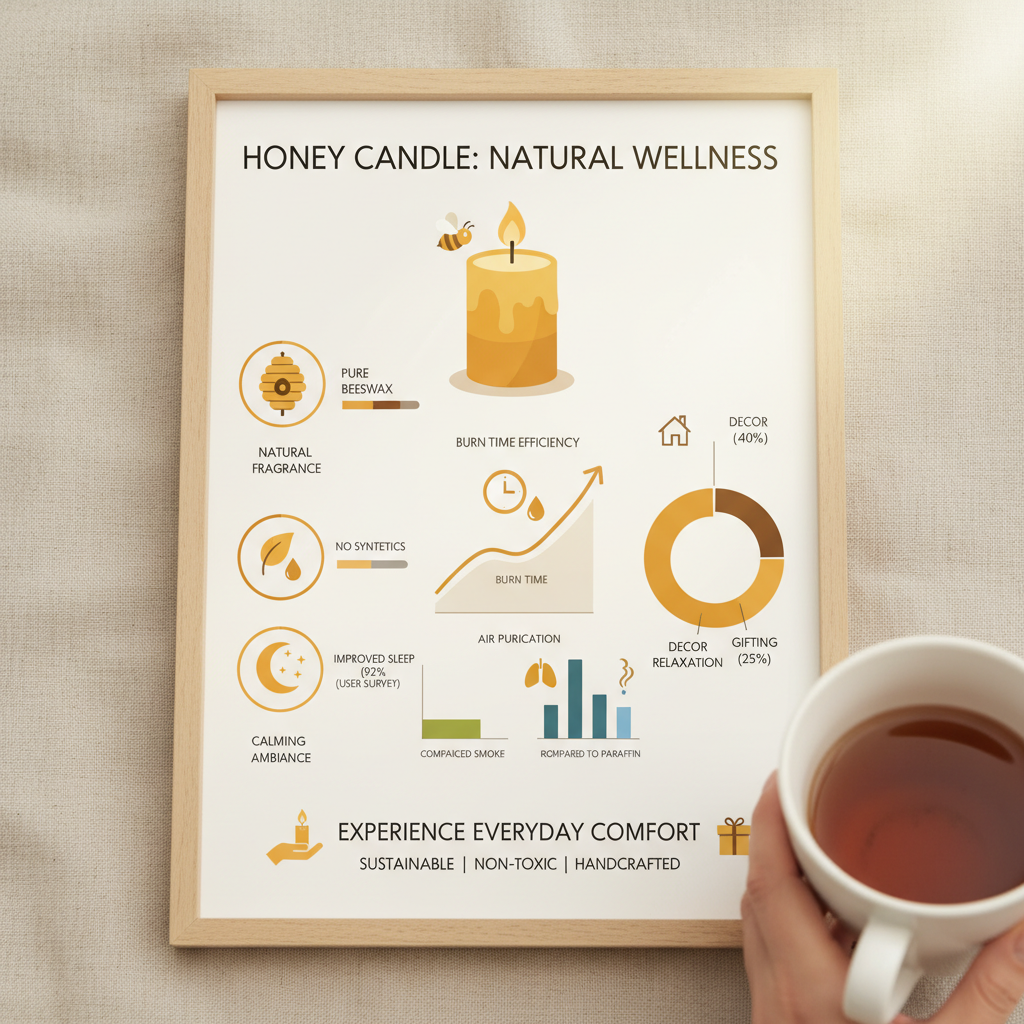
One of the key features of honey candles is their naturally air-purifying quality. Beeswax releases negative ions when burned, which bind to pollutants in the air, effectively neutralizing them. This creates a cleaner and healthier indoor atmosphere, a significant benefit for those sensitive to allergies or asthma.
Another distinctive trait is their exceptionally long burn time. Beeswax has a higher melting point than paraffin wax, meaning honey candles burn significantly slower, offering more hours of enjoyment for the same candle size. This makes them a cost-effective choice in the long run.
The subtle, natural aroma of honey is also a defining characteristic. Unlike synthetic fragrances, the honey scent is delicate and non-intrusive, creating a warm and inviting ambiance without being overpowering. This gentle aroma contributes to relaxation and a sense of well-being.
Practical Applications and Uses
Honey candles have a wide range of practical applications, extending beyond simply creating a cozy atmosphere. Their air-purifying properties make them ideal for homes with sensitivities or allergies, offering a natural way to improve indoor air quality.
They are also commonly used in aromatherapy and meditation practices. The gentle aroma of honey and beeswax can promote relaxation and enhance mindfulness. They are a popular choice for creating a calming environment in yoga studios and wellness centers.
Honey Candle Performance Comparison
Global Reach & Diverse Implementations
The appeal of honey candles is spreading globally, with increasing demand from environmentally conscious consumers in North America, Europe, and Asia. The growing awareness of the harmful effects of paraffin wax is driving the adoption of natural alternatives like beeswax and honey candles.
In post-disaster relief operations, honey candles are gaining traction as a safe and reliable source of light. They are particularly valuable in situations where electricity is unavailable and traditional lighting options may pose fire hazards. Their clean burning properties also make them suitable for use in confined spaces.
Advantages and Lasting Value
The advantages of choosing honey candles extend far beyond their aesthetic appeal. Their cost-effectiveness, stemming from their extended burn time, represents a tangible benefit. The air-purifying qualities provide a long-term health benefit, contributing to a cleaner and healthier indoor environment.
From a sustainability perspective, honey candles represent a responsible choice. Beeswax is a renewable resource, and by supporting ethical beekeeping practices, consumers contribute to the preservation of bee populations and the ecosystems they support. The natural composition also minimizes environmental impact compared to paraffin wax.
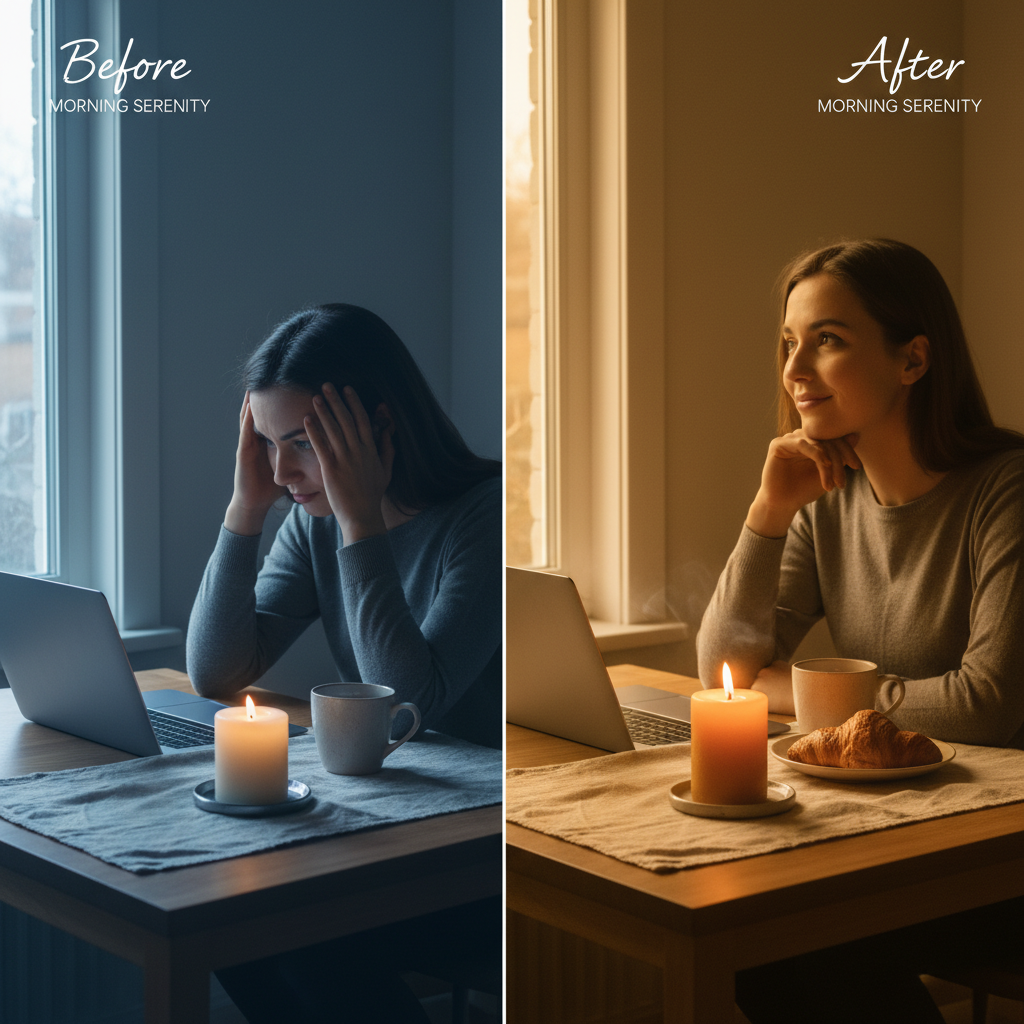
The subtle, natural fragrance offers an emotional benefit, fostering a sense of calm and well-being. This, coupled with the safety of a clean-burning flame, builds trust and reinforces the value of choosing a natural alternative.
Future Trends & Innovations in Honey Candles
The future of honey candles is bright, with ongoing innovations focused on sustainability and enhanced performance. Research into new beeswax blends and honey infusion techniques promises to further optimize burn time and aroma.
The integration of smart technology is also emerging. Some manufacturers are exploring the use of embedded sensors to monitor burn time and air quality, providing users with real-time data and insights. Packaging innovations aimed at reducing waste and promoting recyclability are also gaining momentum.
Driven by increasing demand for eco-friendly products, the honey candle market is expected to see continued growth and innovation, solidifying its position as a sustainable and healthy alternative to traditional candles.
Core Analysis of Honey Candle Production and Sustainability
| Beekeeping Practices |
Beeswax Sourcing |
Production Efficiency |
Environmental Impact |
| Sustainable & Ethical (8/10) |
Local & Traceable (7/10) |
Minimal Waste (9/10) |
Low Carbon Footprint (9/10) |
| Traditional Methods (6/10) |
Imported & Certified (7/10) |
Moderate Energy Use (6/10) |
Neutral Impact (6/10) |
| Organic & Chemical-Free (9/10) |
Direct from Apiary (10/10) |
Automated & Efficient (8/10) |
Positive – Supports Pollinators (10/10) |
| Standard Commercial (5/10) |
Mixed Sources (4/10) |
High Throughput (7/10) |
Moderate – Potential Chemical Use (5/10) |
| Small-Scale & Local (7/10) |
Farmer’s Market (8/10) |
Manual & Labor Intensive (5/10) |
Low – Minimal Processing (8/10) |
| Regenerative Beekeeping (10/10) |
Biodynamic Farms (9/10) |
Closed-Loop System (10/10) |
Net Positive – Biodiversity Enhancement (10/10) |
FAQS
Honey candles are made from natural beeswax and honey, offering a clean burn and subtle aroma. Paraffin candles are petroleum-based, often containing synthetic fragrances and releasing potentially harmful chemicals when burned. Honey candles are a healthier and more sustainable alternative, with a longer burn time and air-purifying qualities.
Yes, honey candles are generally considered safe for individuals with allergies or asthma. Beeswax releases negative ions that can bind to pollutants in the air, potentially reducing allergic reactions and respiratory issues. However, individuals with severe beeswax allergies should exercise caution. It's always best to test in a small area first.
To maximize burn time, trim the wick to ¼ inch before each use. Avoid burning the candle for more than 4 hours at a time. Keep the candle away from drafts and direct sunlight. Ensure the wax pool extends to the edges of the container during each burn to prevent tunneling.
The honey content in a honey candle adds a subtle sweetness to the aroma and can also contribute to a brighter, warmer flame. While honey doesn't significantly impact the burn time, it enhances the overall sensory experience and adds to the candle's natural appeal.
Initially, honey candles may have a higher upfront cost than paraffin candles. However, due to their longer burn time, they often prove to be more cost-effective in the long run. The health and environmental benefits also add value that isn't reflected in the price tag.
Look for candles labeled as “100% beeswax” and sourced from beekeepers who practice sustainable and ethical beekeeping. Check for certifications or research the company’s commitment to bee health and environmental responsibility. Seawell Candle prioritizes ethical sourcing.
Conclusion
In conclusion, the honey candle represents more than just a source of light; it embodies a commitment to natural living, sustainability, and well-being. From its air-purifying properties and long burn time to its delicate aroma and ethical sourcing potential, these candles offer a compelling alternative to conventional options. They’re a small change that can make a significant difference.
As we move towards a more conscious and sustainable future, the demand for natural products like honey candles is poised to grow. Supporting responsible beekeeping practices and choosing eco-friendly alternatives like beeswax and honey candles contributes to a healthier planet and a brighter future for both people and pollinators. Visit our website at www.seawellcandle.com to explore our collection.