In the Democratic Republic of the Congo, the candle industry is deeply intertwined with religious practices and the volatility of the electrical grid. The high ambient temperatures and humidity levels in regions like Kinshasa and Lubumbashi often cause low-quality paraffin to soften or "bleed," making the demand for high-melting-point chemical formulations critical for products like the 9 days candle.
Economically, the market is transitioning from small-scale artisanal production to the importation of standardized, mass-produced chemical products. There is a growing gap between traditional beeswax candles and the modern need for soot-free, long-burning liturgical candles that can withstand the tropical climate without losing structural integrity.
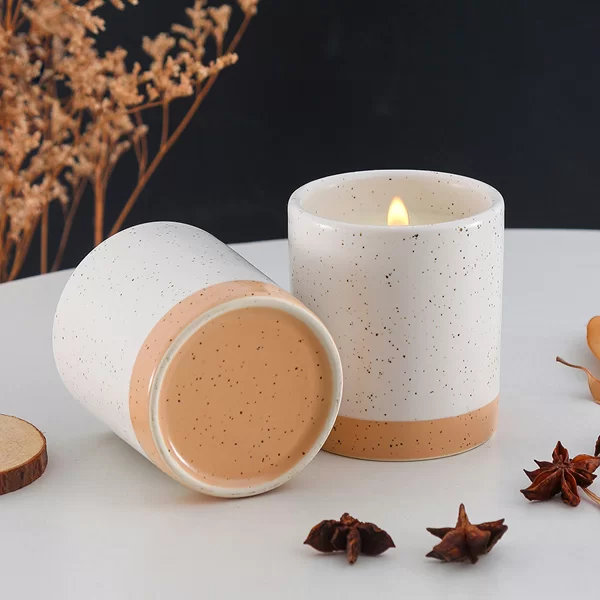
Furthermore, the rise of an urban middle class in Congolese cities has introduced a demand for wellness products. This shift is evident in the emerging popularity of the Spa candle, where chemical stability and fragrance retention are prioritized to ensure a consistent sensory experience despite the external heat.