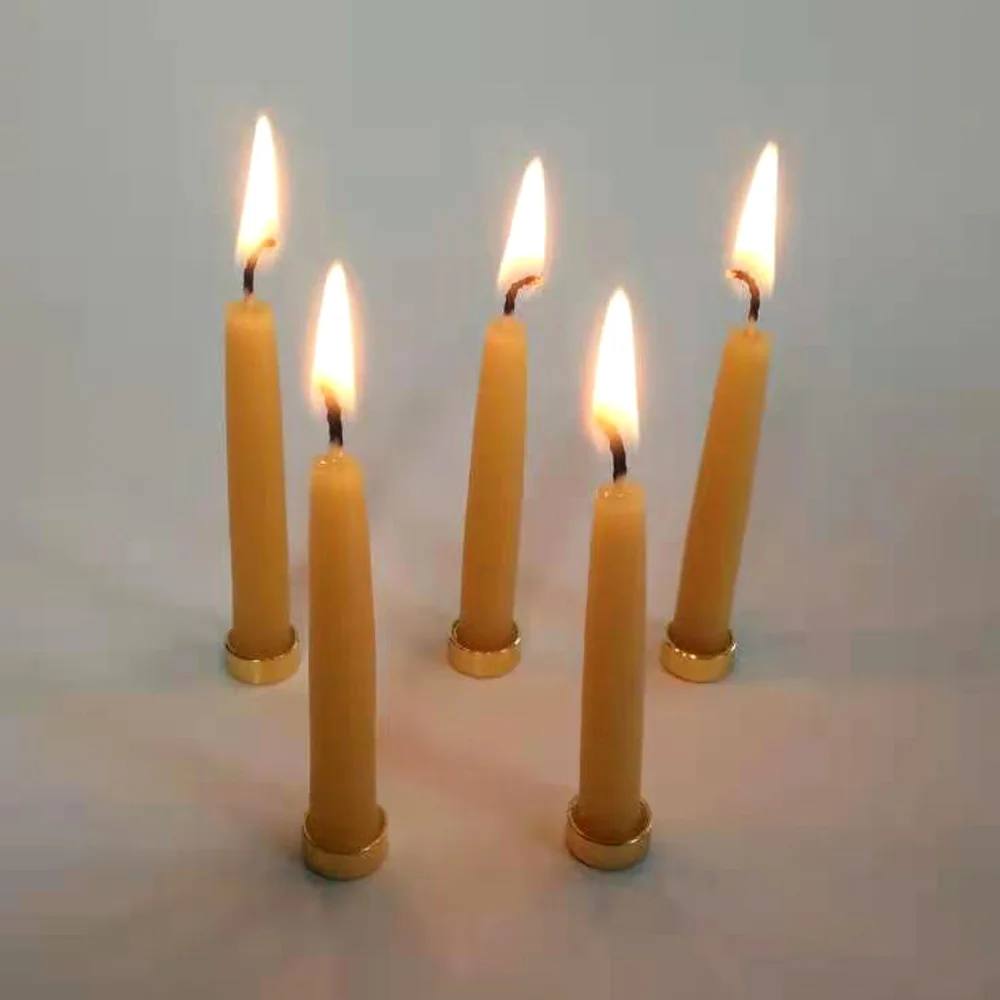
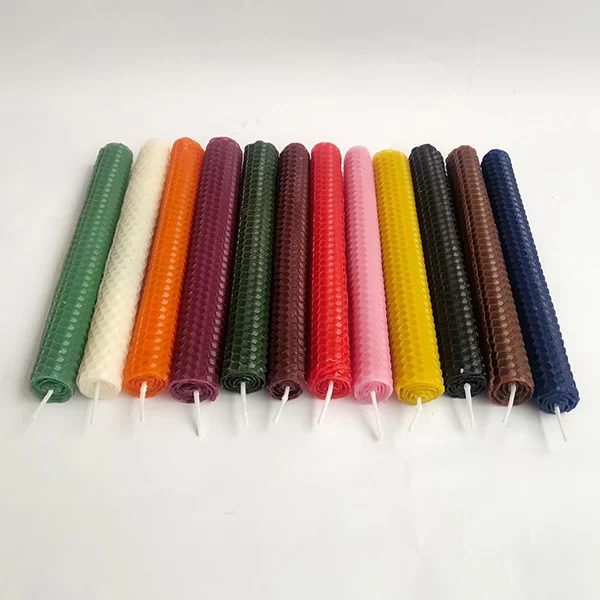

The candle industry in Uganda is currently characterized by a heavy reliance on imported paraffin wax and stearic acid, creating a vulnerability to global chemical supply chain fluctuations. Local production often struggles with consistency in burn rates, particularly for high-demand items like the 9 days candle, where stability is crucial for religious observances.
Environmental factors, specifically Uganda's tropical climate and high humidity, pose significant challenges to candle structural integrity. Without precise chemical additives, candles often suffer from "sweating" or softening, which diminishes the aesthetic and functional quality of a baptise candle used during sacred ceremonies.
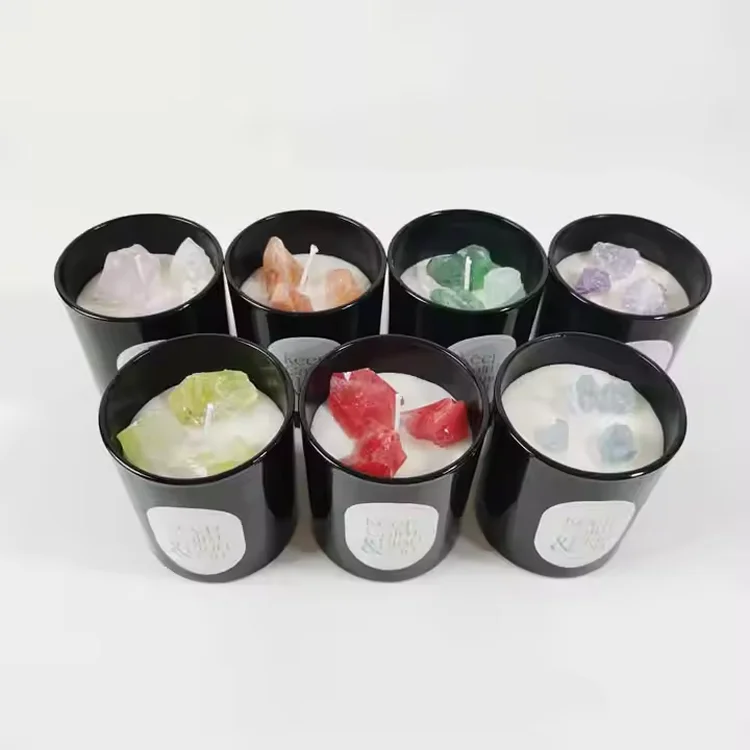
Furthermore, there is a growing economic shift toward the urban middle class in Kampala, leading to an increased demand for luxury segments such as the Spa candle. This transition requires a shift from basic lighting production to complex fragrance-binding chemistry and soy-blend waxes.