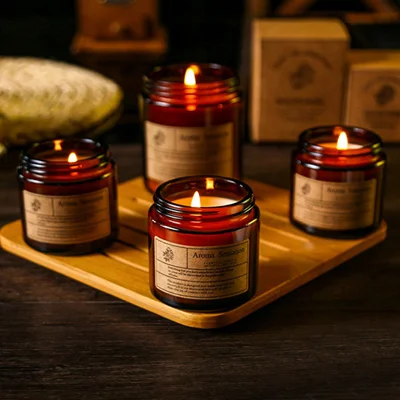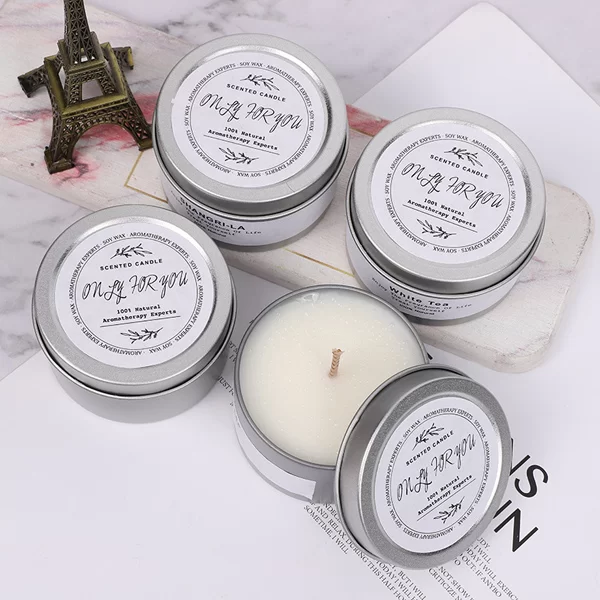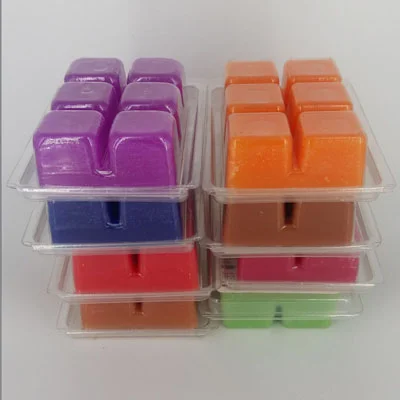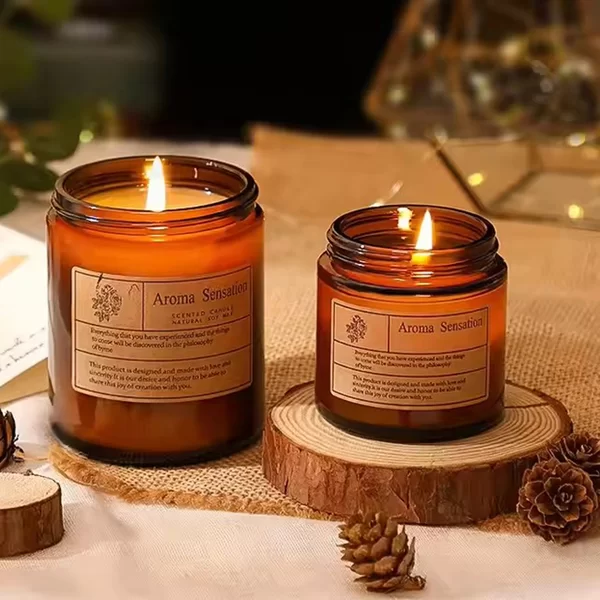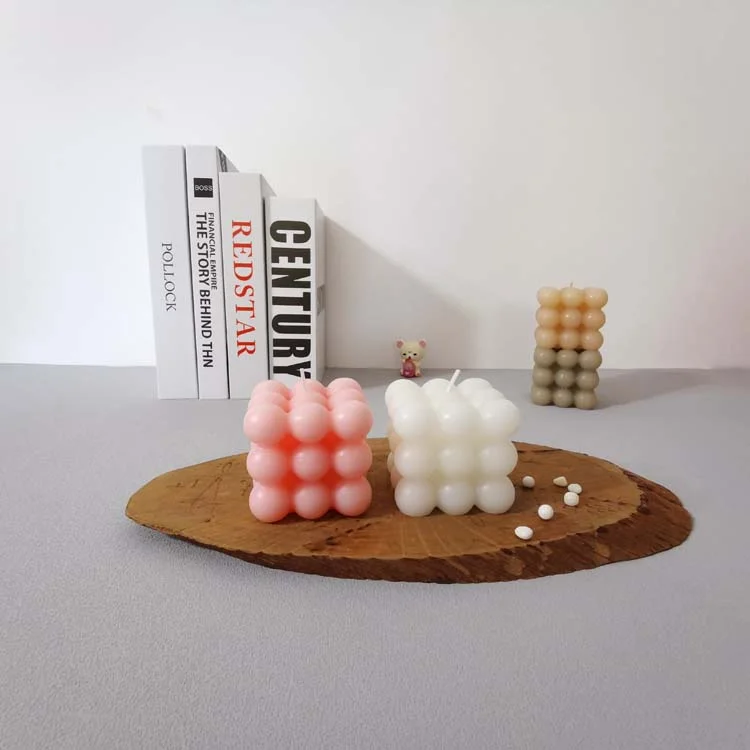
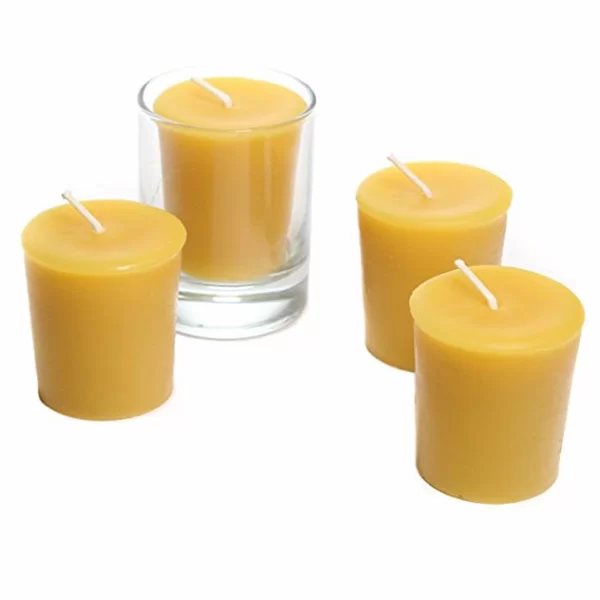
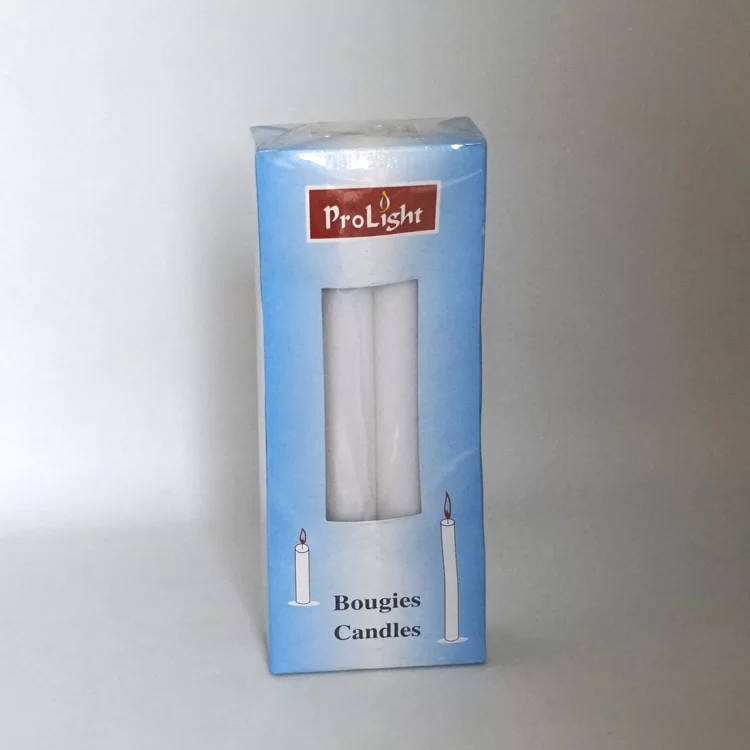
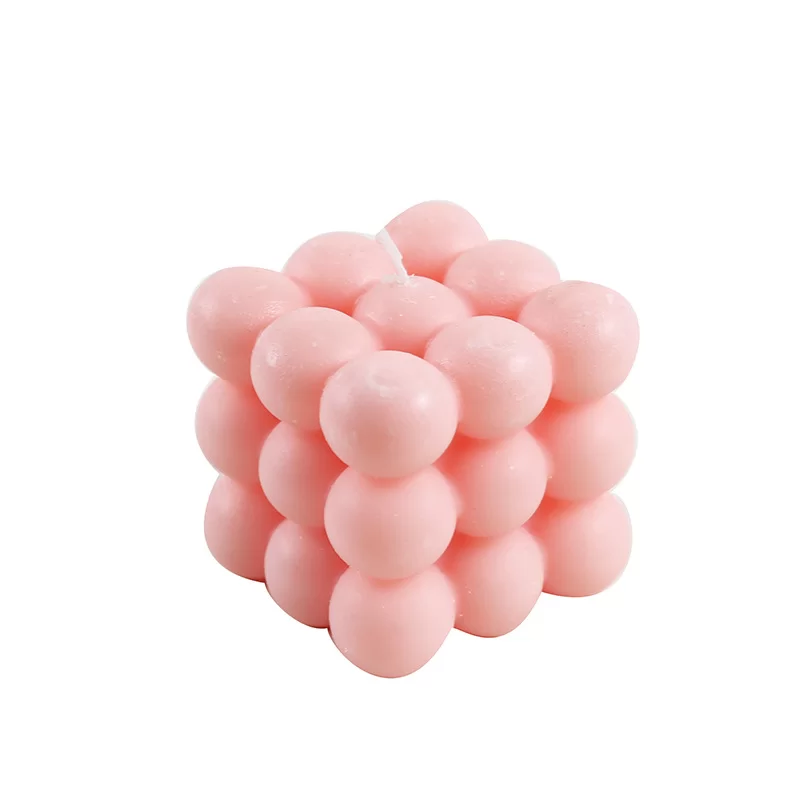
The candle manufacturing sector in Yemen operates within a challenging intersection of high ambient temperatures and fluctuating raw material imports. Due to the arid climate, standard paraffin formulations often suffer from "sweating" or deformation, necessitating the use of higher-melting-point chemical additives to maintain the structural integrity of a 9 days candle during transit and storage.
Logistically, the industry relies heavily on imported specialty waxes and fragrance oils. Local producers are increasingly shifting toward hybrid blends that combine traditional petroleum-based wax with natural soy or beeswax to cater to a growing demand for eco-friendly products, particularly for the luxury Spa candle segment in urban centers like Sana'a and Aden.
Economic volatility has pushed the market toward a dual-track system: high-volume, low-cost utility candles for daily needs, and high-margin, artisanal products for religious ceremonies. This bifurcation requires manufacturers to be agile in their chemical sourcing and molding techniques to serve both the utility and prestige markets simultaneously.