The art of home fragrance has evolved far beyond simple scents, moving toward a holistic integration of aesthetics and wellness. A ceramic candle represents the pinnacle of this evolution, combining the timeless durability of kiln-fired stoneware with the sensory luxury of high-quality waxes. By merging functional lighting with artistic vessel design, these pieces serve as both a source of aromatic comfort and a sophisticated decor element in modern interiors.
Globally, the demand for premium home fragrances has surged as consumers prioritize "nesting" and mental well-being. The shift toward sustainable materials—such as natural soy wax paired with reusable ceramic containers—reflects a broader environmental consciousness. Unlike disposable glass or tin, a ceramic vessel offers superior heat retention and a weightiness that conveys quality, making it a preferred choice for luxury hospitality and high-end residential markets.
Understanding the nuances of the ceramic candle market involves exploring the intersection of material science and olfactory art. From the porosity of the clay to the flash point of the wax, every detail contributes to the safety and efficacy of the product. This guide delves into why ceramic containers are transforming the industry and how they provide long-term value to the discerning consumer.

Global Market Relevance of Ceramic Candles
The global home fragrance market has seen a significant pivot toward "slow living," where the ceramic candle has emerged as a key symbol of this movement. Industry data indicates that the luxury candle segment is growing at a CAGR of over 5%, with a marked preference for sustainable, non-plastic packaging. Ceramics, being derived from natural earth minerals, align perfectly with ISO standards for environmental management and consumer safety.
One of the primary challenges addressed by the shift to ceramic is the fragility and thermal instability of lower-grade glass. Ceramic containers provide a more stable thermal mass, reducing the risk of cracking under extreme heat and ensuring a more consistent melt pool for the wax. This technical advantage, combined with the artisanal appeal of glazed pottery, has pushed these products from niche craft fairs into the mainstream luxury retail sector.
Defining the Modern Ceramic Candle
At its core, a ceramic candle is a high-performance fragrance delivery system housed within a kiln-fired clay vessel. Unlike standard candles, the ceramic element is not merely a container but a functional part of the combustion experience. The density of the ceramic wall regulates the temperature of the wax, allowing for a slower, more controlled burn that maximizes the lifespan of the scent.
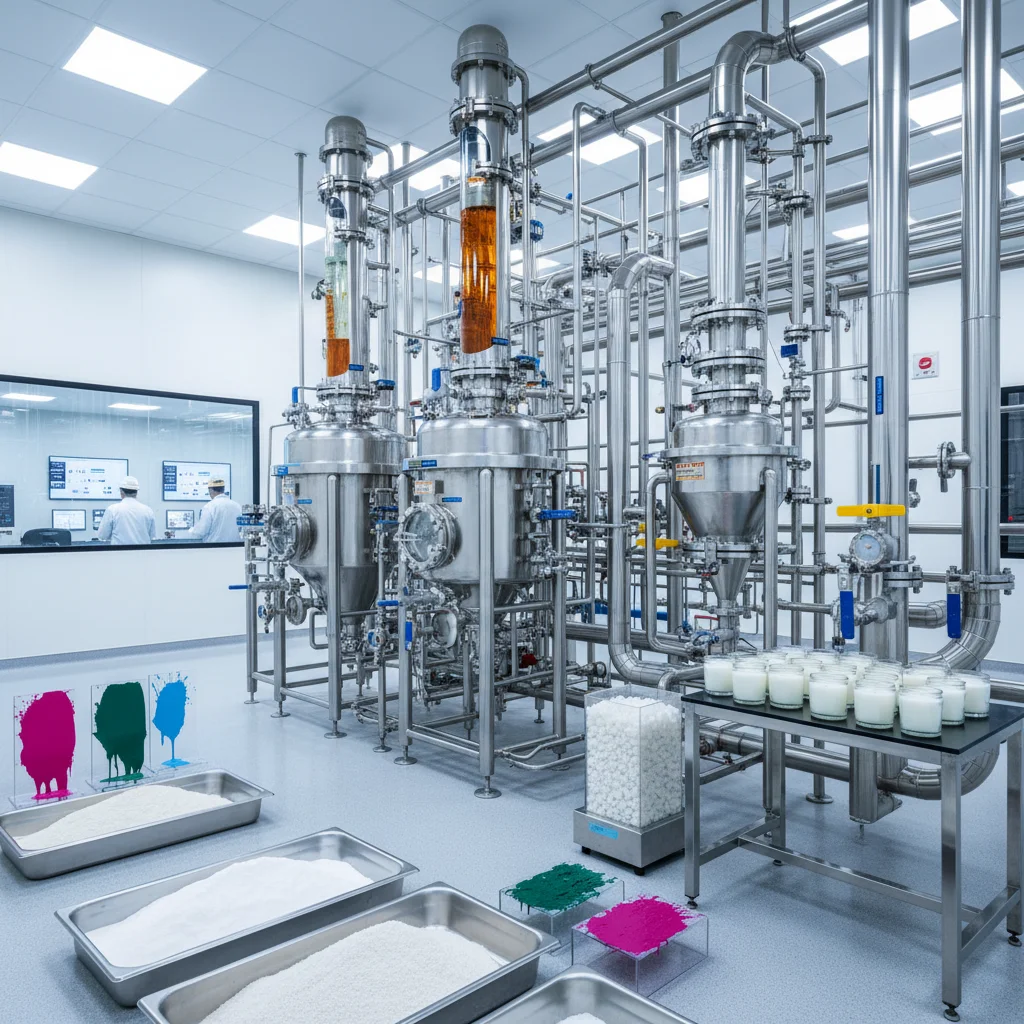
In the context of modern industry, these products bridge the gap between chemical manufacturing (the wax and fragrance oils) and traditional craftsmanship (the pottery). This synergy allows brands to offer a product that is both a consumable and a permanent piece of art. When the wax is depleted, the vessel transitions from a candle holder to a decorative pot or storage jar, effectively eliminating the waste associated with traditional candle use.
For humanitarian and wellness needs, the tactile nature of ceramics provides a grounding experience. The weight and texture of the vessel, combined with a clean-burning soy wax, create a sensory anchor that helps users reduce stress and improve concentration. This makes the ceramic candle an essential tool in modern aromatherapy and interior psychology.
Core Components of High-Quality Ceramic Vessels
Thermal Stability is the foremost requirement for any ceramic candle. The clay must be fired at temperatures high enough to ensure it does not expand or contract violently when the wax reaches its melting point. This prevents "thermal shock," a common failure in low-quality ceramics that can lead to dangerous cracks.
Glaze Integrity plays a dual role in both aesthetics and safety. A high-quality, lead-free glaze ensures that the ceramic candle is non-porous, preventing the fragrance oils from seeping into the clay body. This not only preserves the strength of the vessel but also ensures that the scent remains concentrated within the wax.
Material Compatibility ensures that the wax—whether natural soy, paraffin, or beeswax—adheres correctly to the interior walls. Proper surface preparation within the ceramic mold prevents "wet spots" (where the wax pulls away from the side), ensuring a professional finish and an even burn across the entire diameter of the candle.
Performance Metrics of Ceramic Containers
When evaluating the effectiveness of a ceramic candle, professionals look at heat distribution and scent throw. Ceramic's natural insulating properties keep the wax warm for longer after the flame is extinguished, which allows the fragrance to continue diffusing into the room, providing a lingering olfactory experience that glass simply cannot match.
Moreover, the weight and stability of the ceramic base significantly reduce the risk of accidental tipping, enhancing the safety profile of the product in busy household environments. The following data compares different ceramic compositions and their relative performance in maintaining a steady burn.
Ceramic Vessel Material Performance Comparison
Global Applications and Design Trends
The application of the ceramic candle extends beyond the home. In luxury hotels across Europe and Asia, ceramic vessels are used to create a branded "signature scent" experience. Because the vessels can be custom-molded with corporate logos and unique glazes, they serve as a powerful tool for sensory branding, leaving a lasting impression on guests.
In the realm of interior design, we are seeing a trend toward "biophilic" aesthetics, where raw, matte-finished ceramic candles are paired with natural wood and stone elements. These products are particularly popular in Scandinavian and Japanese (Japandi) design styles, where the focus is on minimalism, organic shapes, and a deep connection to natural materials.
Long-Term Value and Sustainability
The long-term value of a ceramic candle lies in its circular economy potential. Unlike tin or plastic containers that end up in landfills, a ceramic pot is infinitely repurposable. Once the candle is finished, users often transform them into succulents planters, jewelry holders, or spice jars, thereby reducing the overall carbon footprint of their home fragrance consumption.
From an emotional perspective, the durability of ceramic provides a sense of permanence and trust. A high-quality vessel feels like an investment rather than a disposable commodity. This shifts the consumer's relationship with the product from one of "consumption" to one of "curation," where the vessel becomes a cherished object in the home.
Furthermore, the use of 100% natural soy wax within these vessels ensures that the sustainability extends to the air quality of the room. By avoiding paraffin and synthetic phthalates, the ceramic candle promotes a healthier living environment, combining physical safety with ecological responsibility.
Innovations in Ceramic Candle Production
The industry is currently witnessing a digital transformation in the production of the ceramic candle. 3D ceramic printing is now allowing designers to create complex, geometric vessel shapes that were previously impossible with traditional wheel-throwing or slip-casting. This automation allows for rapid prototyping and a level of customization that meets the demands of the modern "bespoke" market.
Moreover, researchers are developing "smart ceramics" that can better regulate heat distribution, potentially extending the burn time of the candle by another 10-15%. New eco-friendly glazes, derived from recycled minerals and omitting heavy metals, are also becoming the industry standard, ensuring that the entire lifecycle of the product is green.
As we look toward the future, the integration of aromatherapy and ceramic art will continue to deepen. We anticipate a rise in "functional scenting," where the ceramic vessel is designed to interact with specific fragrance notes through varying wall thicknesses, creating a tiered release of scents as the candle burns down.
Comparative Analysis of Ceramic Candle Manufacturing Methods
| Production Method |
Design Flexibility |
Production Speed |
Eco-Impact Score (1-10) |
| Hand-Thrown Pottery |
High (Unique) |
Very Low |
9 |
| Industrial Slip-Casting |
Medium |
High |
7 |
| 3D Ceramic Printing |
Very High |
Medium |
8 |
| Press-Molding |
Low |
Very High |
6 |
| Centrifugal Casting |
Medium |
High |
7 |
| Hybrid Artisan-Machine |
High |
Medium |
8 |
FAQS
Ceramic candles offer superior thermal insulation, which leads to a more controlled and slower wax melt. This typically results in a longer burn time and a more consistent scent throw. Additionally, ceramic vessels are generally more durable and can be repurposed as home decor (like planters) after the wax is gone, making them a more sustainable choice.
Yes, provided the ceramic is properly glazed and fired at high temperatures. High-quality ceramic vessels are designed to withstand the heat of soy, beeswax, and paraffin without cracking. However, we recommend using natural soy wax for the cleanest burn and best compatibility with the porous nature of ceramic materials.
Absolutely. One of the biggest advantages of a ceramic candle is the reusable vessel. To clean it, simply freeze the jar to pop out remaining wax or use warm soapy water. Once clean, these vessels are perfect for storing jewelry, holding small succulents, or serving as a desk organizer, adding value long after the fragrance is gone.
Yes, due to the thick walls of the ceramic vessel, the wax retains heat more effectively. This maintains the "scent pool" at an optimal temperature for a longer period, allowing the fragrance to disperse more evenly through the room. The non-porous glaze also prevents the essential oils from absorbing into the container walls.
Tunneling occurs when the wax doesn't melt all the way to the edges. To prevent this in a ceramic candle, always allow the first burn to last until the top layer of wax is completely liquid from edge to edge. Because ceramic retains heat, once you establish a full melt pool, subsequent burns are usually more efficient.
Yes, they are significantly more eco-friendly than plastic or single-use tins. Ceramic is made from natural earth minerals and is designed for longevity. When paired with biodegradable soy wax, the ceramic candle reduces waste and supports a circular economy by encouraging reuse over disposal.
Conclusion
The ceramic candle represents a perfect harmony between chemical precision and artistic expression. By prioritizing thermal stability, sustainable materials like soy wax, and timeless vessel design, these products offer far more than just a pleasant scent—they provide a luxury experience that promotes mental well-being and environmental responsibility. From the superior heat retention of the ceramic walls to the repurposability of the containers, every element is designed to deliver long-term value to the consumer.
As we move toward a future defined by conscious consumption, the transition from disposable to durable home fragrances is inevitable. We encourage consumers and businesses alike to invest in high-quality ceramic solutions that elevate the atmosphere of a space while respecting the planet. To explore our premium range of scented and decorative options, visit our website: www.seawellcandle.com.