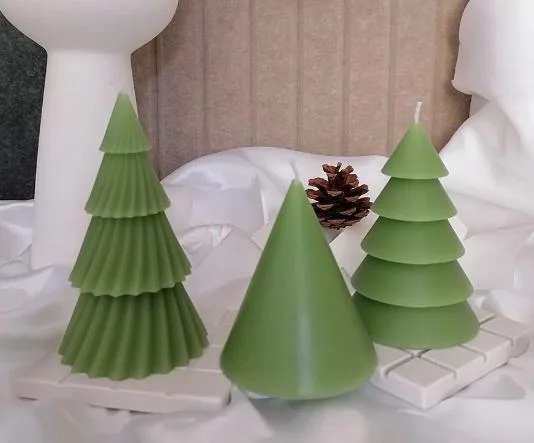
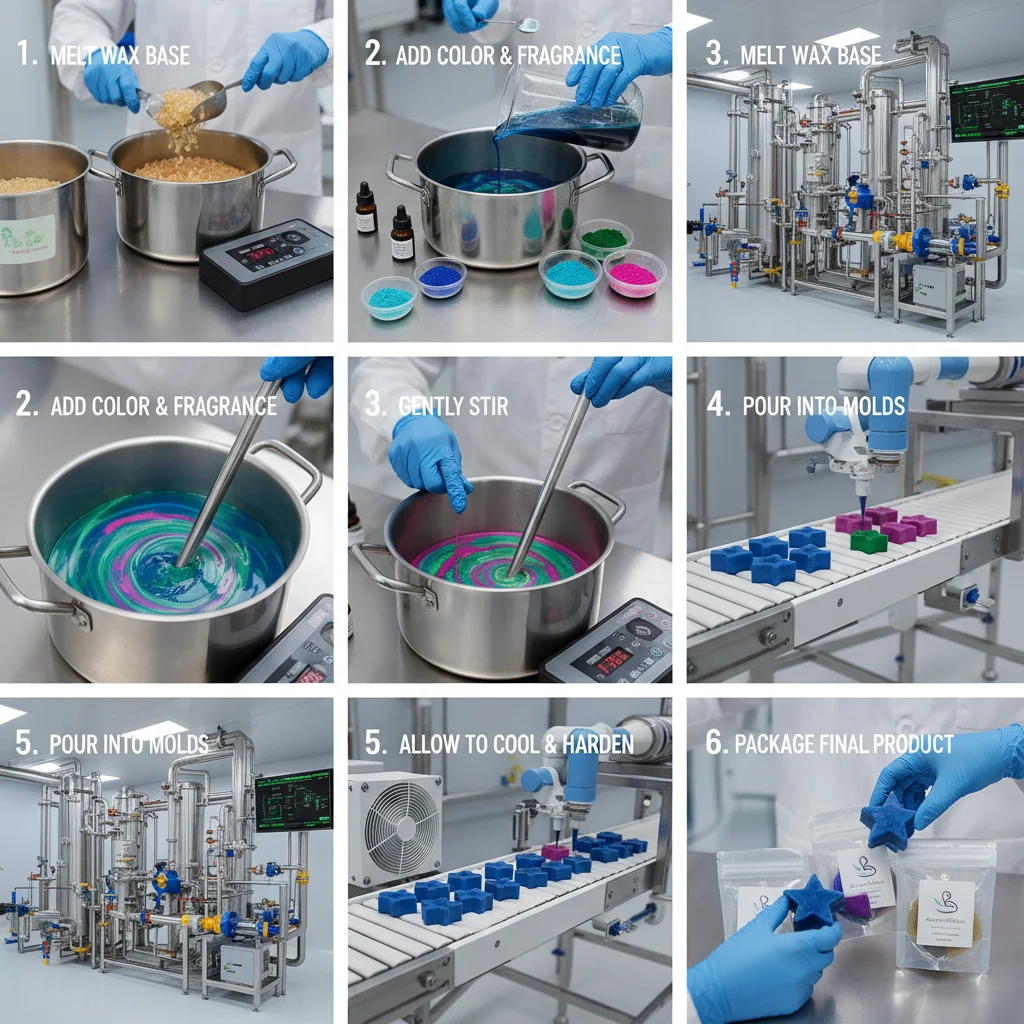
The art of creating a personalized home atmosphere has seen a massive resurgence, with many enthusiasts turning to the concept of a DIY Candle to express their creativity. By blending high-quality waxes with bespoke fragrances, individuals can transform their living spaces into sanctuaries of peace and relaxation. This movement is not just about the end product but about the mindful process of crafting something by hand.
Globally, the shift toward natural and clean-burning materials has redefined how we perceive home fragrance. Today's consumers are moving away from synthetic paraffin and toward sustainable alternatives like soy wax and wooden wicks. This transition addresses growing concerns regarding indoor air quality and environmental sustainability, making the craft more accessible and health-conscious than ever before.
Whether you are looking to enhance your daily meditation practice or seeking a thoughtful, handmade gift, understanding the mechanics of a DIY Candle allows you to control every element of your sensory experience. From the gentle crackle of a wood wick to the depth of a premium fragrance, the ability to customize these elements ensures a luxury experience tailored to your specific needs.

The Global Evolution of Home Fragrance Crafting
The global demand for home fragrance has shifted from mass-produced, synthetic options toward artisanal and customized creations. This evolution is driven by a worldwide trend toward "slow living," where the process of creating a DIY Candle becomes a form of therapeutic art. As people spend more time in their homes, the importance of olfactory environment has become a priority for mental well-being.
Industry data suggests a significant rise in the adoption of biodegradable materials, with natural soy wax leading the market. This change is supported by international environmental standards and a collective move toward reducing carbon footprints. By focusing on clean-burning ingredients, the modern enthusiast ensures that their home remains a healthy space free from harsh chemicals.
Defining the Modern DIY Candle Experience
At its core, a DIY Candle is more than just a source of light; it is a customized aromatic tool designed to alter the mood of a room. In modern terms, this involves the precise combination of a wax base, a wick, and a fragrance load to create a stable, slow-burning product. The focus has shifted from simple utility to "sensory architecture," where the crackle of a wooden wick mimics a cozy fireplace.
This practice connects deeply with the humanitarian need for stress relief and mindfulness in an increasingly digital world. The tactile nature of melting wax and blending scents provides a grounding experience that counters the fatigue of screen-based work. It allows the creator to curate an environment specifically designed for meditation, bathing, or deep relaxation.
From a technical standpoint, the modern approach emphasizes "clean burn" technology. This means utilizing natural soy wax and high-quality wicks that eliminate the soot typically associated with cheaper paraffin alternatives. The result is a luxury product that offers a long-lasting scent throw without compromising the air quality of the living space.
Core Components for Luxury Results
The foundation of any high-end DIY Candle is the choice of wax. Natural soy wax is highly preferred due to its ability to hold fragrances effectively and its biodegradable properties. Unlike synthetic waxes, soy wax provides a slower, more even burn, ensuring that the candle lasts longer and provides a consistent olfactory experience.
Another critical component is the wick. While cotton wicks are traditional, the luxury DIY Candle often utilizes wooden wicks. These wicks create a gentle, soothing crackling sound, adding an auditory layer to the aromatherapy experience. This combination of sight, sound, and smell is what elevates a simple candle into a luxury home accessory.
Finally, the fragrance oil quality determines the overall success of the project. High-quality, non-toxic fragrance oils are essential to ensure the scent remains rich and long-lasting throughout the life of the candle. When blended correctly, these oils provide a sophisticated aroma that can fill a room without becoming overwhelming or artificial.
Performance Metrics of Natural Wax Types
Understanding the performance of different materials is key to achieving professional results. When comparing soy wax to other options, the "scent throw"—the ability of the fragrance to fill a space—is a primary metric. Natural waxes often require a specific temperature for fragrance integration to maximize this effect.
The longevity of the burn is another crucial factor. A well-crafted candle should burn evenly, avoiding "tunneling," which occurs when the wax melts only around the wick. By optimizing the wick size relative to the container diameter, the efficiency of the fuel consumption is significantly improved.
Comparison of DIY Candle Material Performance
Global Applications and Aromatherapy Use Cases
The application of a DIY Candle extends far beyond simple home decoration. In the wellness industry, customized candles are used in aromatherapy clinics to induce specific mental states, such as deep relaxation or heightened focus. By tailoring the fragrance profiles, practitioners can create an environment that supports mental health and emotional stability.
Moreover, the trend has expanded into the luxury gifting sector. Handmade candles, characterized by their elegant designs and premium fragrances, are increasingly used as corporate gifts or wedding favors. This shift highlights the global appreciation for authenticity and the "human touch" in product design, moving away from generic, mass-produced alternatives.
Long-Term Value of Sustainable Candle Making
Investing in a sustainable DIY Candle practice provides significant long-term value, both economically and environmentally. By using biodegradable soy wax and lead-free wicks, users reduce their exposure to toxins and decrease the amount of non-recyclable waste entering the ecosystem. This alignment with "green" living standards ensures a healthier home environment for families and pets.
From a psychological perspective, the long-term value lies in the creation of a personalized ritual. The act of lighting a candle that one has crafted themselves creates a stronger emotional connection to the space. This sense of ownership and intentionality contributes to a greater feeling of comfort and security within the home.
Additionally, the scalability of this skill allows enthusiasts to move from hobbyists to small-scale entrepreneurs. The growing market for eco-friendly, handmade home products provides a viable path for those looking to monetize their creativity while maintaining a commitment to sustainability and quality.
Future Innovations in Candle Technology
The future of the DIY Candle is being shaped by advancements in material science and a deeper understanding of olfactory psychology. We are seeing the emergence of "smart waxes" that can release scents in stages, providing a changing aromatic profile as the candle burns. This innovation allows for a more dynamic and complex sensory experience.
Digital transformation is also playing a role, with online communities and AI-driven fragrance mixers helping beginners find the perfect scent ratios. These tools lower the barrier to entry, allowing anyone to achieve professional-grade results without years of trial and error. The integration of sustainable sourcing tracking via blockchain is also expected to provide transparency regarding the origin of wax and oils.
As automation increases in other sectors, the value of the "handmade" will only grow. The future will likely see a hybrid approach where high-precision tools are used to prepare materials, but the final blend and pour remain a human act. This ensures that the luxury and emotional value of the product are preserved while increasing overall consistency.
Comparative Analysis of Candle Component Innovations
| Material Component |
Traditional Approach |
Innovative Approach |
Impact Score (1-10) |
| Wax Base |
Paraffin |
Natural Soy/Coconut Blend |
9 |
| Wick Material |
Zinc-core Cotton |
Sustainable FSC Wood Wicks |
8 |
| Scent Delivery |
Single-note Synthetic |
Layered Essential Oils |
10 |
| Containers |
Disposable Glass |
Upcycled Ceramic/Stone |
7 |
| Burn Control |
Manual Trimming |
Precision-cut Wicks |
6 |
| Eco-Footprint |
High Carbon |
Carbon-Neutral Sourcing |
9 |
FAQS
For beginners, natural soy wax is highly recommended. It has a lower melting point, making it safer and easier to handle, and it is much more forgiving when adding fragrances. Additionally, soy wax is biodegradable and provides a cleaner burn than paraffin, ensuring your first project is both high-quality and eco-friendly.
Tunneling happens when the wax doesn't melt all the way to the edges. To prevent this, ensure you use the correct wick size for your container diameter. Additionally, always allow the first burn to last long enough for the top layer of wax to melt completely from edge to edge, which sets the "memory" for all future burns.
Yes, wooden wicks provide a unique sensory experience by creating a soft crackling sound similar to a fireplace. Beyond the sound, they often provide a wider melt pool and a more consistent scent throw compared to traditional cotton wicks, contributing to the "luxury" feel of the final product.
Generally, a fragrance load of 6% to 10% is ideal. For example, if you are using 1 pound of wax, you would add roughly 1 to 1.6 ounces of oil. Adding too much oil can cause the candle to smoke or the oil to seep out of the wax, while too little will result in a weak scent throw.
Many essential oils can be used, but caution is required. Some essential oils have low flash points and may not throw scent well when heated, or they may lose their therapeutic properties. We recommend using high-quality, candle-specific fragrance oils that are formulated for heat stability and safety.
Yes, upcycling glass jars is an excellent way to make your project more sustainable. Just ensure the glass is heat-resistant and thoroughly cleaned. Avoid using very thin glass, as it may crack under the heat of the flame; thick, tempered glass or ceramic containers are the safest choices.
Conclusion
The journey of creating a DIY Candle is a perfect blend of science and art. By prioritizing natural ingredients like soy wax and sustainable wooden wicks, you can create a luxury home accessory that promotes both mental well-being and environmental health. From selecting the right fragrance to mastering the burn rate, each step in the process contributes to a personalized atmosphere that mass-produced products simply cannot replicate.
Looking forward, the integration of more eco-conscious materials and a focus on mindful crafting will continue to drive the home fragrance industry. Whether you are a seasoned maker or a curious beginner, the ability to control your environment through scent is a powerful tool for stress management and home enhancement. We encourage you to explore the limitless possibilities of scent and light to elevate your living space. Visit our website: www.seawellcandle.com