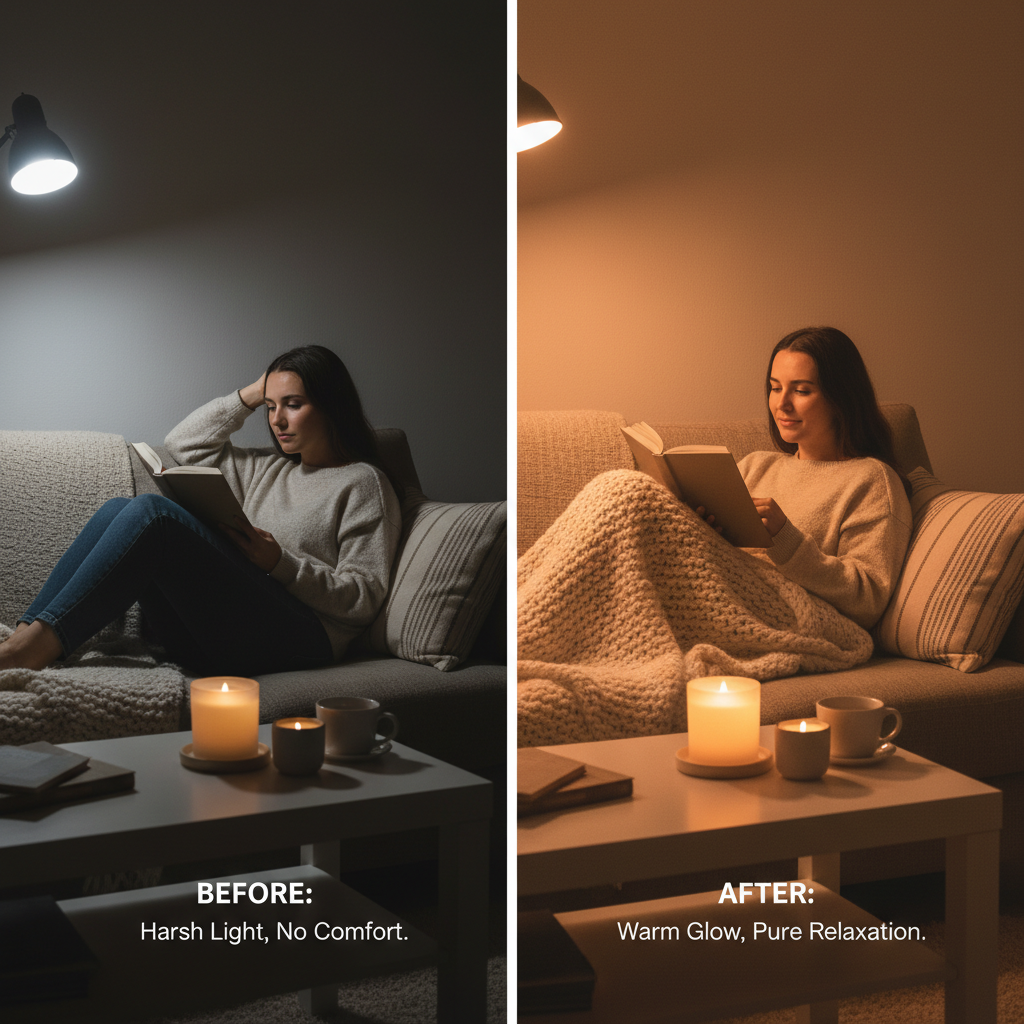
When sourcing China container candles, B2B buyers must navigate a complex landscape of material science, safety certifications, and logistical efficiencies. Container candles, typically housed in glass jars or metal tins, represent a significant portion of the global home fragrance market due to their safety and versatility. This guide examines the critical factors that differentiate high-quality Chinese manufacturing from standard production, focusing on technical specifications and procurement strategies.
The Chinese candle industry has evolved from basic paraffin production to advanced, eco-friendly formulations. Modern facilities now specialize in proprietary soy-blends and vegan waxes that cater to the strict environmental demands of the US and European markets. For professional importers, the challenge lies in verifying that the claimed "long-lasting" or "non-toxic" properties are backed by rigorous testing and certified production processes, such as BSCI or ROHS, rather than mere marketing terminology.
In this comprehensive analysis, we will break down the essential selection criteria for luxury jar candles, from the chemistry of the fragrance throw to the structural integrity of the container. Readers will learn how to evaluate a supplier's actual production capacity, understand the impact of wick selection on burn stability, and identify the certifications necessary to ensure product compliance in international retail environments.
Sourcing Container Candles from China
The strategic advantage of sourcing China container candles lies in the integration of massive production scales with specialized technical expertise. Leading manufacturers often operate multiple facilities to segment their market approach; for instance, separating the production of high-volume stick candles for emerging markets from the precision-engineered luxury scented candles destined for North America and Europe. This dual-capability allows factories to maintain high efficiency while adhering to the meticulous hand-poured standards required for premium jar products. With workshops spanning hundreds of thousands of square meters and outputs reaching 180 containers per month, the Chinese infrastructure provides an unparalleled ability to scale production quickly without compromising the strict quality controls required for luxury goods.
B2B Procurement Guide for Jar Candles
Evaluating a candle manufacturer requires a deep dive into the technical harmony between the wax, the scent, and the vessel. A failure in any one of these components can lead to "tunneling," soot accumulation, or container failure. The following dimensions provide a professional framework for assessing the quality and reliability of container candle supplies.
Wax Composition and Burn Quality
The choice of wax dictates the burn rate, fragrance retention, and environmental impact. Vegan soy-blend waxes are increasingly preferred over paraffin due to their cleaner burn and non-toxic profiles. A proprietary soy-blend often provides a higher melting point and better structural stability, ensuring the candle lasts longer and resists frosting—a common defect in pure soy waxes. Professional buyers should request the specific wax blend ratio to ensure it meets the "clean burning" and "paraben-free" requirements of their target demographic.
| Wax Type | Burn Characteristic | Environmental Impact | Best Use Case |
|---|---|---|---|
| Pure Paraffin | Fast burn, strong throw | Higher soot, petroleum-based | Budget-tier products |
| Pure Soy Wax | Slow burn, clean finish | Biodegradable, vegan | Eco-luxury niche |
| Soy-Blend Wax | Balanced burn, stable | Low emission, non-toxic | Premium retail jars |
| Beeswax Blend | Very slow, natural aroma | Sustainable, natural | High-end organic lines |
| Palm Wax | Crystalline texture | Controversial sustainability | Decorative shaped candles |
| Coconut Blend | Excellent scent throw | Sustainable, smooth | Luxury fragrance jars |
Fragrance Load and Scent Throw
The "fragrance experience" is divided into the cold throw (scent when unlit) and the hot throw (scent when burning). High-quality container candles utilize highly scented fragrances that are meticulously blended into the wax at precise temperatures to prevent evaporation. Buyers must verify the fragrance load percentage; too low, and the candle is scentless; too high, and the wax may "sweat" or fail to ignite. Professional manufacturers use performance testing to ensure a consistent olfactory experience from the first burn to the bottom of the jar.
Wick Performance and Stability
The wick is the engine of the candle. 100% cotton wicks are the industry standard for luxury products because they minimize soot and provide a steady flame. Pre-production performance testing is critical to match the wick size to the jar diameter. An undersized wick causes "tunneling," where wax remains on the sides of the jar, while an oversized wick leads to excessive flaming and overheating of the container, which can be a safety hazard.
Container Material and Safety
Containers are not merely aesthetic; they are heat sinks. High-grade glass or metal must be used to withstand the thermal stress of a long-duration burn. For B2B shipments, the integrity of the container during transit is as important as its heat resistance. Buyers should ensure that the glass used is tempered or of a thickness that prevents cracking under high temperatures, especially for larger pillar-style container candles.
Manufacturing Capacity and Lead Times
In the B2B sector, reliability is measured by the ability to meet deadlines. A factory capable of finishing 90% of orders within twenty days indicates a highly optimized supply chain and skilled workforce. When evaluating a supplier, look for the ratio of skilled workers to total output. A workforce of over 400 skilled supervisors and workers across 100,000 square meters suggests the capability to handle large-scale retail contracts without quality degradation.
Compliance and Certification Standards
International trade requires strict adherence to safety standards. CE and ROHS certifications are essential for entering the European market, as they certify the absence of hazardous substances. Furthermore, social compliance audits like BSCI ensure that the manufacturing environment meets global ethical labor standards. For brands selling to major US retailers, these certifications are often non-negotiable prerequisites for onboarding.
Customization and Branding Options
Competitive edge in the retail market comes from branding. Professional manufacturers offer extensive customization, from the choice of vessel (luxury glass, matte tins) to the wax color and fragrance profile. The ability to integrate a brand's identity—similar to the success of the "Double Holiness" brand in African markets—requires a supplier who understands regional preferences and can execute precise packaging and labeling requirements.
FAQ
What is the difference between soy-blend and paraffin candles?
Soy-blend candles are made from a combination of natural soy wax and other clean-burning additives, resulting in a non-toxic, paraben-free product that typically lasts longer and produces less soot. Paraffin candles are petroleum-based and generally cheaper to produce with a stronger scent throw, but they are less environmentally friendly and may release more pollutants during combustion.
How can I ensure the scent is consistent across a large order?
Consistency is achieved through precise fragrance load calculations and temperature-controlled blending. When sourcing from professional manufacturers, ensure they perform pre-production performance testing and provide samples from the actual production batch. High-capacity factories use standardized mixing protocols to ensure that every jar in a 180-container monthly output maintains the same olfactory profile.
Which certifications are most important for importing candles to the EU and US?
For the EU, CE and ROHS certifications are critical to ensure chemical safety and environmental compliance. For both the US and EU markets, BSCI (Business Social Compliance Initiative) is highly valued by major retailers as it proves the factory adheres to ethical labor practices. Always verify that these certificates are current and issued by recognized auditing bodies.
What causes "tunneling" in container candles and how is it prevented?
Tunneling occurs when the wick is too small for the diameter of the candle, causing the wax to melt only in a narrow center column. This is prevented through meticulous wick sizing and performance testing. A professional manufacturer will match a 100% cotton wick to the specific wax blend and jar width to ensure a full melt pool is reached within a few hours of burning.
Can I request a custom soy-blend formulation for my brand?
Yes, professional B2B manufacturers typically offer proprietary soy-blend formulations. You can specify requirements such as being vegan, non-toxic, or paraben-free. Suppliers with decades of experience can adjust the blend to optimize for either burn time or fragrance throw, depending on whether your brand prioritizes luxury longevity or intense aromatic impact.
What is a reasonable lead time for large-scale candle orders?
While lead times vary by customization level, a highly efficient factory can finish over 90% of its orders within twenty days. This is usually possible for manufacturers with large-scale workshops and a high ratio of skilled workers. Buyers should confirm the current production load and the factory's monthly container capacity to ensure their timeline is realistic.
References and further reading
- International Standards for Candle Safety and Chemical Compliance (CE/ROHS).
- Guidelines for Sustainable Sourcing in the Home Fragrance Industry.
- Comparative Analysis of Vegetable-based Waxes vs. Paraffin.
Related Articles