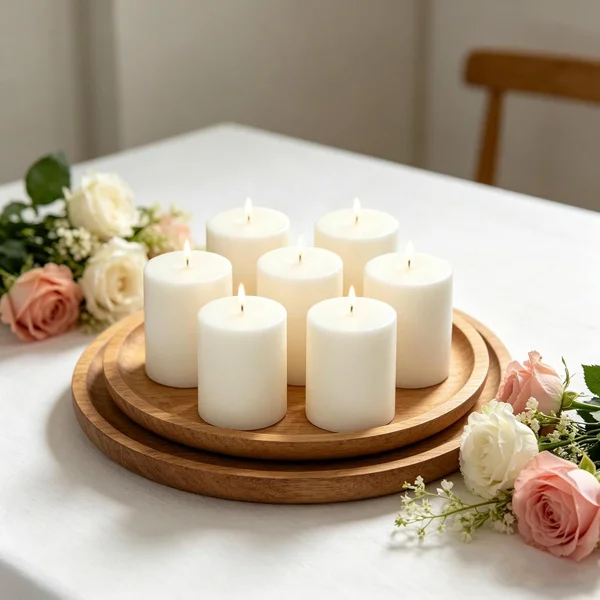
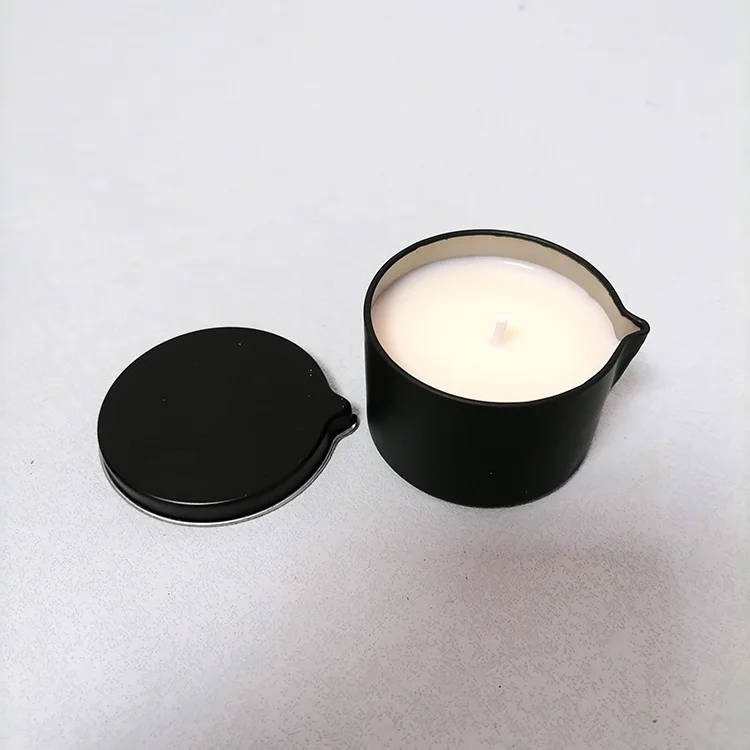
Premium Lighting Solutions for Paschal Candle in Sweden

Engineering high-performance wax products that blend Scandinavian minimalism with professional chemical manufacturing standards for the Swedish market.

The State of Candle Manufacturing in Sweden

Analyzing the intersection of Nordic climate and chemical wax stability.

In Sweden, the demand for high-quality candles is driven by the extreme seasonal light variance. During the dark winter months, candles are not merely decorative but essential for mental well-being (Hygge culture). This requires chemical formulations that can maintain structural integrity in cold temperatures while ensuring a clean burn in airtight, insulated indoor environments.

The Swedish market shows a sophisticated preference for eco-friendly materials. The industry has shifted from traditional petroleum-based paraffin to high-grade vegetable waxes. This is particularly evident in the demand for the Spa candle sector, where non-toxic, phthalate-free fragrances are mandatory to meet stringent EU REACH regulations.

Furthermore, liturgical requirements in Sweden demand precision. The production of the baptise candle requires a specific wax hardness to prevent deformation during transportation across different Swedish climate zones, from the temperate south to the Arctic north.
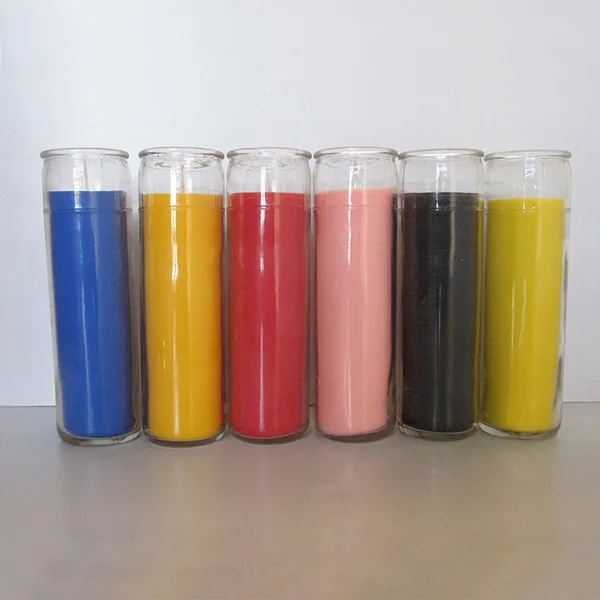
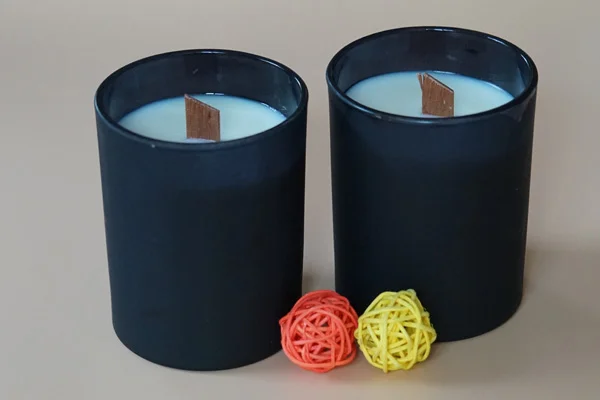
Technological Evolution of Swedish Wax Products

From traditional tallow to precision chemical engineering.

Market Development History

Historically, the Swedish candle industry relied on animal fats and simple beeswax. By the mid-20th century, the introduction of refined paraffin wax allowed for the mass production of standardized shapes, though smoke and soot remained significant technical challenges for indoor use.

Between 1990 and 2010, the focus shifted toward "Clean Burn" technology. Chemical manufacturers began integrating stearic acid and synthetic polymers to increase the melting point and reduce tunneling, which was critical for the longevity of the 9 days candle used in religious observances.

From 2015 to the present, the "Green Chemistry" era has arrived. The integration of rapeseed wax (locally sourced in Europe) and soy blends has redefined the industry, moving toward carbon-neutral manufacturing processes and biodegradable wicks.

Future Development Trends

Smart Fragrance Release

Incorporating micro-encapsulation technology into the Yoga candle to ensure scent release remains consistent regardless of the room's humidity levels.

Zero-Soot Polymerization

Developing next-generation paraffin-free blends that eliminate carbon emissions entirely, catering to Sweden's strict air quality standards for public spaces.

Precision Molding Automation

Transitioning to AI-driven centrifugal casting to ensure zero-air-bubble density in large-scale liturgical candles, enhancing structural stability.

Industry Trends and Future Outlook

Predicting the trajectory of chemical wax innovation in Northern Europe.

Bio-Synthetic Convergence
Blending plant-based waxes with high-stability synthetics to achieve the perfect balance of eco-friendliness and burn duration.
Circular Economy Packaging
Moving toward 100% compostable wax molds and recycled glass containers to align with Sweden's zero-waste goals.
Aromatherapy Precision
Utilizing chemical vapor pressure analysis to create scents that evoke Nordic nature, specifically for high-end wellness centers.
Thermal Stability Engineering
Designing waxes with modified crystallization points to prevent cracking during extreme Swedish winter temperature drops.

Industry Outlook

Based on Google search trends for "Sustainable Home Decor" and "Eco-friendly Candles" in Sweden, we predict a 15% annual growth in the demand for vegan-certified waxes. The shift is no longer just about fragrance, but about the chemical purity of the raw materials used in the manufacturing process.

Furthermore, the integration of IoT-enabled candle warmers is expected to reduce the reliance on open flames, shifting the chemical requirement from "combustion stability" to "low-temperature fragrance diffusion" in professional settings.

Localized Application Scenarios in Sweden

Real-world implementation of chemical wax solutions across Swedish culture.

1. Stockholm Cathedral Liturgical Services

Deployment of high-density, slow-burning paschal candle units designed to withstand drafty cathedral environments while maintaining a consistent flame height.

2. Nordic Wellness and Spa Resorts

Integration of hypoallergenic Spa candle systems that use essential oils specifically blended to complement the sauna-based relaxation rituals of Northern Sweden.

3. Mindfulness Centers in Gothenburg

Providing focused-burn Yoga candle products with scent profiles like Nordic Pine and Sea Salt to enhance meditation and sensory grounding.

4. Traditional Swedish Baptism Ceremonies

Custom-molded baptise candle designs using ivory-white premium wax that ensures no yellowing over decades of storage in family homes.

5. Winter Solstice Memorial Vigils

High-performance 9 days candle installations in glass containers, engineered to resist frosting and maintain a steady burn during sub-zero outdoor temperatures.

Brand Story

Global Development History of Hebei Haijia Import and Export Co., Ltd.

Foundational Chemistry Excellence

Started as a specialized chemical facility focusing on the purity of paraffin and stearic acid, establishing the baseline for zero-defect wax production.

Diversification of Wax Blends

Expanded into soy and vegetable wax research, solving the industry pain point of soot production in indoor environments.

Global Quality Certification

Achieved international standards for chemical safety and environmental impact, opening doors to the stringent European markets.

Nordic Market Integration

Tailored chemical formulations specifically for Sweden's climate, ensuring thermal stability for extreme cold and heat.

Sustainable Future Vision

Currently leading the transition toward 100% carbon-neutral candle manufacturing for a greener global footprint.

Common Questions in the Swedish Candle Market

Expert answers on chemical properties and application of professional candles.

How does the cold Swedish winter affect 9 days candle burn rates?

Extreme cold can increase wax viscosity; our products use specialized chemical additives to ensure the wick draws wax consistently regardless of ambient temperature.

Are the materials used in baptise candle products compliant with EU REACH?

Yes, all our waxes and fragrances undergo strict chemical screening to ensure they are free from banned phthalates and harmful VOCs.

What chemical properties make a paschal candle drip-less?

We use a high-concentration stearic acid blend which increases the melting point and creates a more rigid wax structure, preventing runoff.

Do Yoga candle scents interfere with professional meditation environments?

No, we use low-intensity, natural essential oils that provide subtle aromatherapy without overpowering the sensory space.

Can Spa candle waxes be customized for specific Scandinavian fragrance profiles?

Absolutely. We offer custom chemical blending to integrate local scents like spruce, pine, and sea salt into the wax matrix.

What is the recommended storage temperature for bulk candle imports in Sweden?

We recommend a controlled environment between 15°C and 25°C to prevent wax contraction or fragrance evaporation.

Consult Our Chemical Experts

Ready to optimize your candle supply chain in Sweden? Contact us for technical specifications and bulk manufacturing quotes.

Contact Us Now

If you are interested in our products, you can choose to leave your information here, and we will be in touch with you shortly.