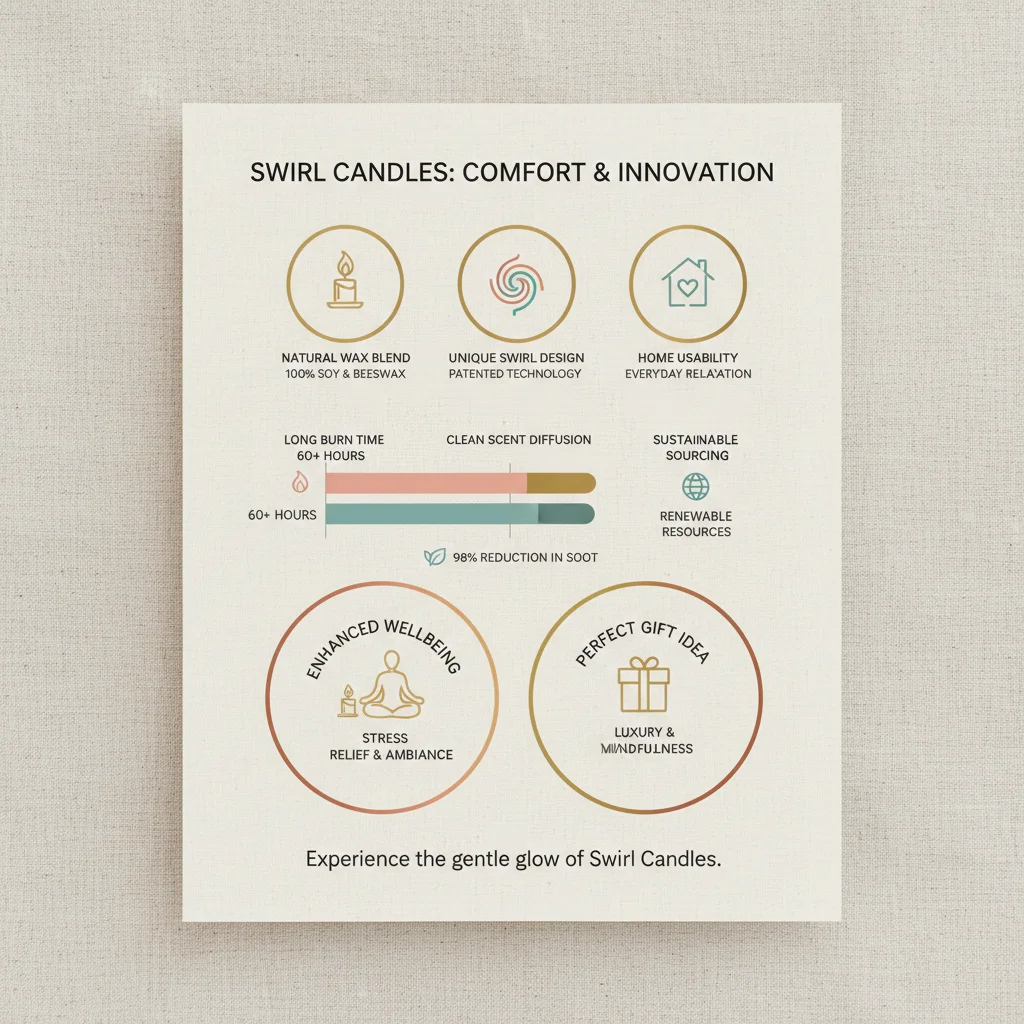
Small candles, often overlooked in favor of their larger counterparts, offer a unique blend of intimacy, affordability, and versatility. Their compact size makes them ideal for creating focused ambiance, adding subtle fragrance to smaller spaces, or providing a gentle glow during moments of quiet reflection. Beyond aesthetics, small candles play a practical role in emergency preparedness, offering a reliable light source during power outages. Understanding the nuances of small candles – from wax types to wick selection – allows for a tailored experience, enhancing their appeal across a diverse range of applications.
Globally, the demand for candles, including small candles, is driven by a combination of ritualistic practices, decorative trends, and functional needs. According to market research, the global candle market was valued at USD 8.16 billion in 2023 and is projected to grow at a CAGR of 4.2% from 2024 to 2030. This growth is particularly evident in emerging economies, where increasing disposable incomes and a growing interest in home décor are fueling demand. Small candles specifically cater to a segment prioritizing cost-effectiveness and portability, making them accessible to a wider consumer base.
The rise in conscious consumerism also influences the small candle market, with a growing preference for natural waxes (soy, beeswax) and eco-friendly packaging. This shift presents both challenges and opportunities for manufacturers, prompting innovation in sustainable production methods. The increased focus on wellness and self-care further boosts the demand for aromatherapy-infused small candles, highlighting their therapeutic benefits alongside their aesthetic appeal. Small Candles offer a convenient and accessible entry point into the world of aromatherapy and mindful living.

Introduction to Small Candles
Small candles have evolved beyond simple illumination, becoming integral to creating specific atmospheres and enhancing daily routines. Their portable nature and affordability make them accessible for a wide range of uses, from creating a romantic ambiance to providing a backup light source during emergencies. The market for small candles is dynamic, influenced by trends in home decor, aromatherapy, and sustainable living.
The appeal of small candles lies in their ability to transform a space with minimal investment. They require no complex setup or maintenance, making them a convenient option for both seasoned candle enthusiasts and first-time users. The diverse range of scents, colors, and wax types available allows for customization, catering to individual preferences and creating personalized experiences.
Defining Small Candles
A small candle, in its simplest form, is a wax-based light source with a wick embedded within it. Typically, a small candle is defined by its size – generally containing under 4 ounces of wax. This distinguishes them from pillar candles, tapers, and votives, which tend to be larger and serve different aesthetic purposes. However, the definition extends beyond mere dimensions.
The 'small' designation also implies a specific application. Small candles are often designed for focused fragrance diffusion, creating intimate lighting, or providing a compact emergency light source. They are frequently packaged in tins, jars, or votive holders for ease of use and portability. Their inherent versatility makes them suitable for a broad range of settings.
In the context of modern industry, small candles embody a microcosm of larger manufacturing processes. From sourcing raw materials to quality control and packaging, the production of even the smallest candle reflects broader trends in sustainable sourcing, ethical labor practices, and consumer-driven innovation.
Core Components of Small Candles
The quality and characteristics of a small candle depend heavily on its core components. Firstly, the wax type significantly impacts burn time, scent throw, and overall candle performance. Common options include soy wax (renewable, clean burning), beeswax (natural, subtle scent), paraffin wax (traditional, cost-effective), and coconut wax (sustainable, excellent scent throw). The choice of wax dictates the candle’s environmental footprint and aesthetic qualities.
Secondly, the wick is crucial for proper combustion. Wick size and material (cotton, paper, wood) must be carefully matched to the wax type and candle diameter to ensure a consistent flame and prevent sooting. Incorrect wick selection can lead to tunneling (wax remaining on the sides) or excessive smoking. Proper wick maintenance is key to a safe and enjoyable candle experience.
Thirdly, fragrance oils are essential for scented candles, contributing to the overall ambiance. The quality and concentration of fragrance oils directly influence the scent throw and longevity. Natural essential oils are preferred for their therapeutic benefits, while synthetic fragrance oils offer a wider range of scent options. Finally, the container – whether a tin, jar, or votive holder – provides structural support and influences heat distribution.
Global Applications of Small Candles
Small candles find applications across a multitude of sectors and geographies. In the hospitality industry, hotels and restaurants utilize small candles to create inviting atmospheres in lobbies, dining areas, and guest rooms. This is particularly prevalent in regions known for their emphasis on ambiance, such as Europe and Southeast Asia.
In post-disaster relief operations, small candles provide a critical source of light when electricity is unavailable, supporting emergency services and offering comfort to affected communities. Organizations like the Red Cross often include small candles in emergency preparedness kits, recognizing their reliability and portability. In remote industrial zones lacking consistent power infrastructure, small candles serve as a supplemental lighting solution.
The wellness industry has embraced small candles as a key component of aromatherapy and relaxation practices. Spas, yoga studios, and meditation centers commonly employ scented small candles to enhance the therapeutic experience. This trend is gaining momentum globally, fueled by a growing awareness of the benefits of mindfulness and self-care. Small Candles serve a vital role in these practices.
Small Candle Performance Metrics by Wax Type
Advantages and Value Proposition
The advantages of utilizing small candles extend beyond mere illumination. Their cost-effectiveness makes them an accessible option for a wide range of consumers, particularly in price-sensitive markets. They represent a low-commitment way to experience the benefits of aromatherapy and ambiance enhancement.
From a sustainability perspective, the growing availability of small candles made with natural waxes like soy and beeswax provides an eco-friendly alternative to traditional paraffin candles. This aligns with increasing consumer demand for environmentally responsible products. The use of small candles also enhances feelings of safety and security, providing a comforting glow during power outages or in dimly lit spaces.
Future Trends and Innovations
The future of small candles is likely to be shaped by several key trends. The integration of smart technology, such as timed shut-off mechanisms and scent diffusion control, will enhance convenience and safety. The development of biodegradable and compostable candle containers will further reduce environmental impact.
Furthermore, advancements in fragrance technology will enable the creation of more complex and nuanced scent profiles, catering to increasingly sophisticated consumer preferences. The rise of personalized candle experiences, with custom scent blending and packaging options, is also anticipated.
Challenges and Solutions
Despite their many advantages, small candles face certain challenges. Sooting and uneven burning can be problematic, particularly with poorly formulated candles or improper wick maintenance. Addressing this requires stringent quality control and consumer education on proper candle care.
Another challenge is the potential environmental impact of paraffin wax. Promoting the use of sustainable wax alternatives, such as soy and beeswax, and investing in research and development of innovative bio-based waxes can mitigate this issue. The market for Small Candles is evolving.
Finally, competition from electric alternatives, such as LED candles, presents a challenge. Highlighting the unique sensory experience and aesthetic appeal of real flame candles is crucial for maintaining their relevance in the market.
Key Performance Indicators for Small Candle Quality
| Wax Composition |
Burn Time (Hours) |
Soot Emission (Rating 1-10) |
Scent Throw Strength (Rating 1-10) |
| 100% Soy Wax |
35-45 |
2 |
7 |
| 100% Beeswax |
30-40 |
1 |
6 |
| 80% Paraffin / 20% Soy |
40-50 |
5 |
8 |
| 100% Coconut Wax |
45-55 |
2 |
9 |
| 70% Palm / 30% Soy |
30-40 |
4 |
7 |
| 50% Paraffin / 50% Beeswax |
40-45 |
3 |
8 |
FAQS
Soy wax is a natural, renewable resource derived from soybeans, known for its clean burning properties and excellent scent throw. Paraffin wax, on the other hand, is a byproduct of petroleum refining. While generally more affordable, paraffin wax can produce more soot and may release potentially harmful chemicals when burned. Choosing soy wax provides a more eco-friendly and healthier option for enjoying small candles.
Tunneling occurs when the candle burns down the center, leaving wax around the edges. To prevent this, allow the candle to burn long enough on the first use to create a full melt pool – meaning the entire surface of the wax is liquid. Avoid blowing out the candle before this happens. Also, trim the wick to ¼ inch before each burn to ensure a consistent flame and prevent excessive smoking.
While small candles can create a pleasant atmosphere, it’s essential to exercise caution around pets and children. Always keep burning candles out of reach and never leave them unattended. Ensure the candle is placed on a stable, heat-resistant surface, away from flammable materials. Consider using flameless LED candles as a safer alternative if you have young children or pets prone to curiosity.
The burn time of a small candle varies depending on the wax type, size of the candle, and wick size. Generally, a 4-ounce small candle made with soy wax will burn for approximately 20-40 hours. Beeswax candles tend to burn slightly shorter, while paraffin wax candles may burn longer. Always check the manufacturer's label for specific burn time information.
To preserve the fragrance of your small candles, store them in a cool, dark, and dry place away from direct sunlight and heat. Exposure to these elements can cause the fragrance oils to degrade over time. Keeping the candles in their original packaging, or in airtight containers, can help to further protect the scent.
Small candles can be an eco-friendly choice, especially if made with natural waxes like soy or beeswax. These waxes are renewable resources and burn cleaner than paraffin wax. However, consider the packaging and sourcing of the materials. Opt for candles packaged in recyclable containers and made with sustainably sourced ingredients to minimize your environmental impact.
Conclusion
In conclusion, small candles represent far more than just a source of light. They are versatile tools for creating ambiance, enhancing well-being, and providing practical solutions in various situations. From their economic accessibility to their evolving sustainability profiles, small candles offer a compelling blend of tradition and innovation. The careful selection of wax, wick, and fragrance, combined with responsible consumption, maximizes their benefits and minimizes their impact.
Looking ahead, the future of small candles is bright, driven by consumer demand for natural, sustainable, and personalized products. Continued advancements in technology and materials will further enhance their performance and appeal. To fully appreciate the potential of small candles, we encourage you to explore the diverse range of options available and discover how these small wonders can illuminate your life. Visit our website: Small Candles.