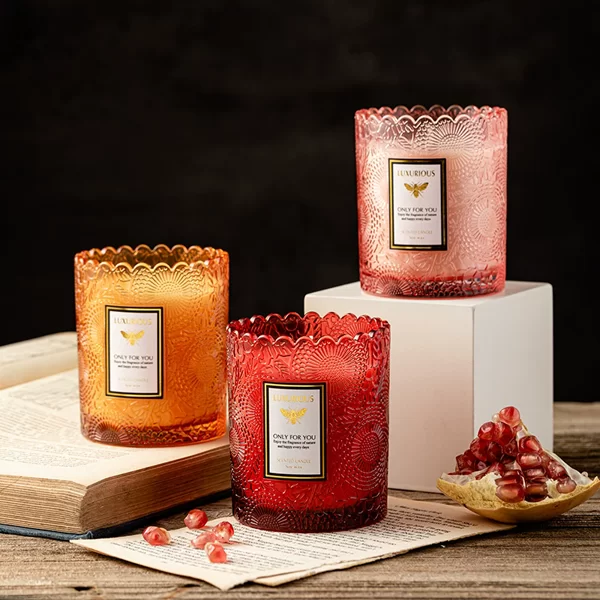
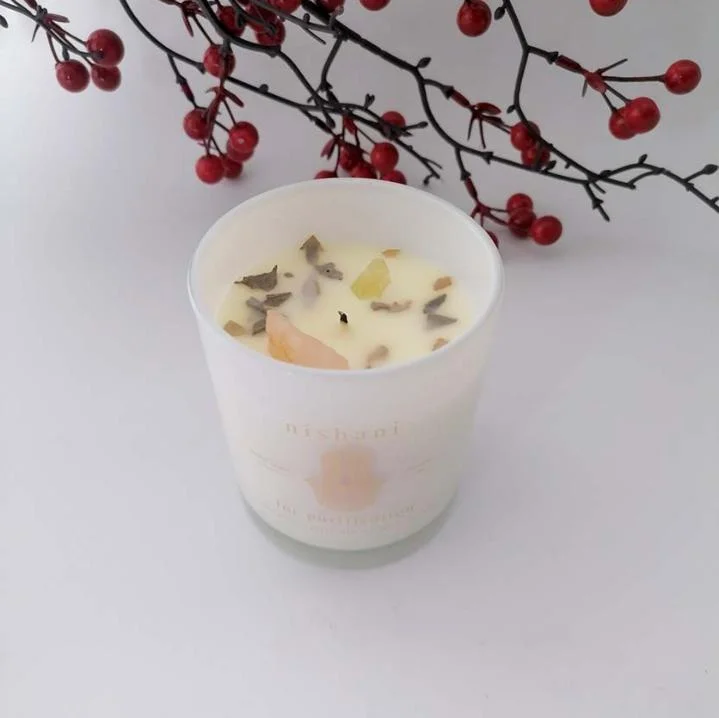
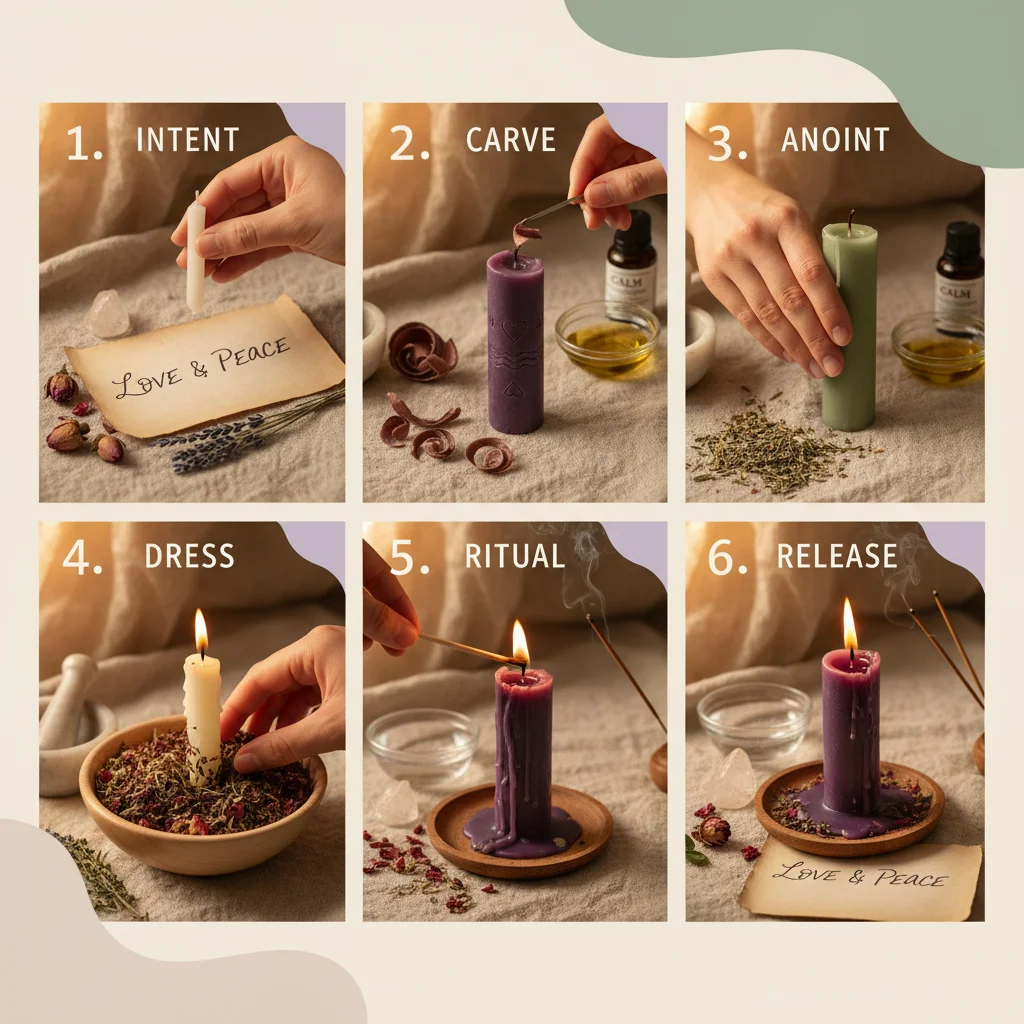
Pillar candles, renowned for their simple elegance and enduring appeal, have been a cornerstone of ambiance and ritual for centuries. From providing a comforting glow during quiet evenings to serving as focal points in decorative displays, these substantial candles offer a timeless quality that resonates across cultures and generations. Their versatility extends beyond aesthetics, encompassing practical uses like emergency lighting and creating a warm, inviting atmosphere in any space.
Globally, the market for candles, and specifically pillar candles, demonstrates consistent growth, fueled by a rising consumer focus on home décor, wellness, and creating personalized living spaces. According to research, the global candle market was valued at approximately $3.7 billion in 2023 and is projected to reach $4.8 billion by 2030. This expansion is driven by innovations in fragrance, materials, and designs, alongside a growing appreciation for the meditative and relaxing qualities of candlelight.
The increasing demand for sustainable and ethically sourced products is also shaping the industry, prompting manufacturers to explore eco-friendly waxes, packaging, and production processes. Understanding the nuances of pillar candles – from their composition and burning characteristics to their aesthetic possibilities – is crucial for both consumers and businesses seeking to capitalize on this thriving market.
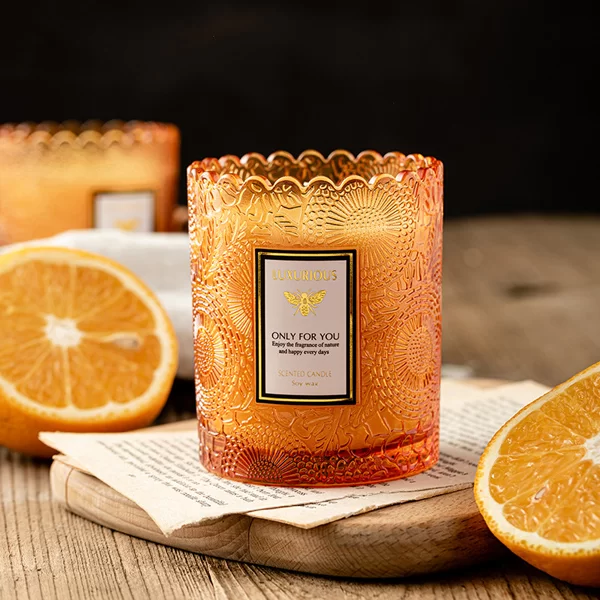
The Enduring Appeal of Pillar Candles
The lasting popularity of pillar candles stems from their inherent simplicity and ability to evoke a sense of calm and sophistication. Unlike tapered or votive candles, pillar candles stand independently, offering a substantial presence that makes them ideal for creating a focal point. Their robust form also lends itself well to intricate detailing, carving, and scent infusion, allowing for a high degree of customization.
Historically, candles were essential for illumination, but today pillar candles primarily serve decorative and atmospheric purposes. They are frequently used in weddings, celebrations, and everyday home décor to create a warm and inviting ambiance. The wide array of available colors, sizes, and fragrances ensures that there is a pillar candle to suit any taste and occasion.
Defining Pillar Candles: Form and Function
A pillar candle is, in its simplest form, a freestanding cylindrical candle made of wax. Its defining characteristic is its ability to burn independently without the need for a holder, though using a decorative plate or lantern can enhance its presentation and safety. The term "pillar" refers to the candle’s substantial, upright shape, providing stability during burning.
The composition of a pillar candle is crucial to its performance. Common wax types include paraffin, soy, beeswax, and palm wax, each offering different burning characteristics and environmental profiles. High-quality pillar candles utilize waxes with a high melting point, ensuring a clean, even burn and minimizing tunneling or dripping.
These candles often incorporate fragrances and dyes to enhance their aesthetic and aromatic appeal. The fragrance load, wick size, and wax type all play a role in how the candle burns and how effectively the scent is dispersed throughout a space, linking directly to modern desires for creating comforting and personalized home environments.
Core Characteristics of Quality Pillar Candles
Several key factors differentiate high-quality pillar candles from inferior products. Firstly, the wax composition is paramount. Soy wax and beeswax are often favored for their natural origins and cleaner burning properties, while paraffin wax, though more affordable, requires careful refinement to minimize soot and odor. The source and purity of the wax directly impacts the overall quality of the candle.
Secondly, the wick is a critical component. A correctly sized wick ensures a full melt pool, preventing tunneling and maximizing burn time. Wicks can be made from cotton, paper, or metal cores, each influencing the flame size and burning characteristics. The wick should be centered and securely fastened to the base of the candle.
Finally, fragrance quality and load are essential. Premium pillar candles use high-quality fragrance oils, carefully blended to create a balanced and long-lasting scent. The fragrance load – the percentage of fragrance oil in the wax – significantly impacts the intensity and longevity of the aroma.
Burning Performance and Longevity of Pillar Candles
The longevity of a pillar candle is directly tied to its size, wax type, and wick size. Larger diameter candles generally burn for longer, while denser waxes like beeswax offer extended burn times compared to paraffin wax. Proper wick maintenance, such as trimming to ¼ inch before each use, is vital for maximizing burn time and preventing smoking.
A well-made pillar candle should exhibit a full melt pool – where the entire top surface of the wax is melted – within a few hours of burning. This ensures a clean, even burn and prevents tunneling. Tunneling occurs when the candle burns down the center, leaving a ring of unmelted wax around the edges.
Pillar Candle Burn Time Comparison
Versatile Applications of Pillar Candles
Pillar candles find application in a vast range of settings. In residential spaces, they are commonly used as centerpieces for dining tables, accents for mantels, or simply to create a relaxing ambiance in living rooms and bedrooms. Their solid form makes them ideal for grouping together to create visual impact.
Beyond the home, pillar candles are frequently employed in events such as weddings, parties, and corporate functions. They can be incorporated into elaborate floral arrangements or used to illuminate pathways and create a festive atmosphere. The ability to customize pillar candles with scents and colors makes them a popular choice for themed events.
Advantages and the Value Proposition of Pillar Candles
The enduring appeal of pillar candles is rooted in the numerous advantages they offer. Their freestanding nature eliminates the need for holders, providing greater flexibility in placement and décor. Their substantial size and longer burn times offer excellent value compared to smaller candles.
Furthermore, the wide availability of scents and colors allows for a high degree of personalization, enhancing the overall sensory experience. The emotional benefits of candlelight – promoting relaxation, creating a warm atmosphere, and enhancing mood – contribute significantly to their popularity. For businesses, offering high-quality pillar candles can enhance brand image and customer loyalty.
The versatility and aesthetic qualities of Pillar Candles position them as a reliable and satisfying addition to any lifestyle, offering both practical utility and emotional wellbeing.
Future Trends and Innovations in Pillar Candle Technology
The pillar candle industry is undergoing a period of innovation, driven by sustainability concerns and technological advancements. Increasingly, manufacturers are exploring plant-based waxes, such as coconut wax and rapeseed wax, as alternatives to traditional paraffin wax. These waxes offer a cleaner burn and a reduced carbon footprint.
Another emerging trend is the integration of smart technology into candle design. Some manufacturers are developing candles with built-in timers, remote control functionality, and even scent diffusion systems. Digital printing techniques are also allowing for more intricate and personalized designs on pillar candles.
The focus on eco-friendly materials and smart features positions pillar candles for continued growth and relevance in a rapidly evolving market, catering to a conscious consumer base seeking both aesthetic beauty and responsible production.
Summary of Pillar Candle Material Properties
| Wax Type | Burn Quality | Scent Throw | Sustainability Rating (1-10) |
|---|
| Paraffin Wax | Moderate - potential for soot | Good - readily absorbs fragrance | 3 |
| Soy Wax | Excellent - clean burn | Moderate - requires higher fragrance load | 8 |
| Beeswax | Excellent - naturally bright and clean | Subtle - inherent honey aroma | 9 |
| Palm Wax | Good - crystalline appearance | Good - holds fragrance well | 5 |
| Coconut Wax | Excellent - very slow, clean burn | Excellent - superior scent throw | 7 |
| Rapeseed Wax | Very Good - Clean burn, minimal soot | Good - Holds fragrance well | 8 |
FAQS
Tunneling occurs when a candle burns down the center, leaving wax around the edges. To prevent this, ensure the candle burns long enough on the first burn to create a full melt pool – where the entire top surface of the wax is liquid. Also, trim the wick to ¼ inch before each use to encourage a wider flame and even burn.
Generally, yes. Soy wax is derived from a renewable resource – soybeans – while paraffin wax is a byproduct of petroleum refining. Soy wax also produces less soot and is biodegradable, making it a more environmentally friendly choice. However, the sustainability of any wax depends on sourcing and production practices.
The safest way to extinguish a pillar candle is to use a snuffer. Blowing on a candle can cause hot wax to splatter, and it may also create excessive smoke. A snuffer gently deprives the flame of oxygen, preventing splattering and minimizing smoke. Avoid using water to extinguish a candle.
Fragrance oils are synthetically created scents designed specifically for candles, offering a wider range of aromas and stronger scent throw. Essential oils are natural extracts from plants, but they are often more expensive and less potent in candles due to their lower flash points.
Wick size is crucial for a proper burn. It depends on the diameter of the candle and the wax type. A wick that is too small will not create a full melt pool, while a wick that is too large will produce excessive smoke and soot. Consult a wick guide or experiment with different sizes to find the optimal wick for your candle.
While technically possible, reusing candle wax is often not recommended. The wax may contain impurities from the wick and fragrance oil, which can affect the quality of the new candle. It requires careful cleaning and processing to ensure a clean burn, and it is generally easier and safer to start with fresh wax.
Conclusion
In conclusion, pillar candles represent more than just a source of light; they embody a rich history of craftsmanship, aesthetic versatility, and enduring appeal. From their fundamental characteristics – wax composition, wick selection, and fragrance infusion – to their evolving role in modern décor and wellness practices, understanding the nuances of pillar candles allows us to appreciate their lasting value.
As trends shift toward sustainability and personalization, the future of pillar candles lies in innovative materials, smart technologies, and a commitment to responsible production. Explore our wide selection of premium pillar candles at Seawell Candle and discover the perfect way to enhance your home and create a warm, inviting atmosphere.