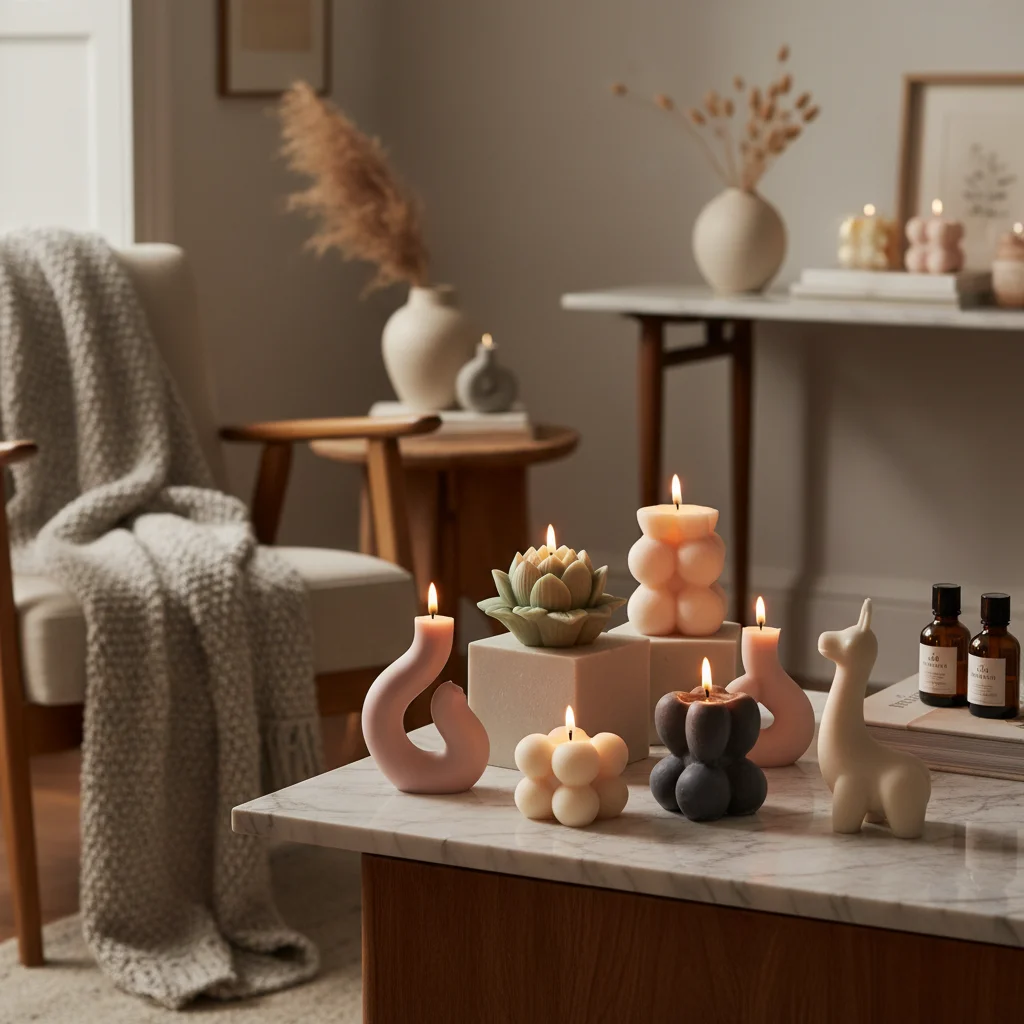
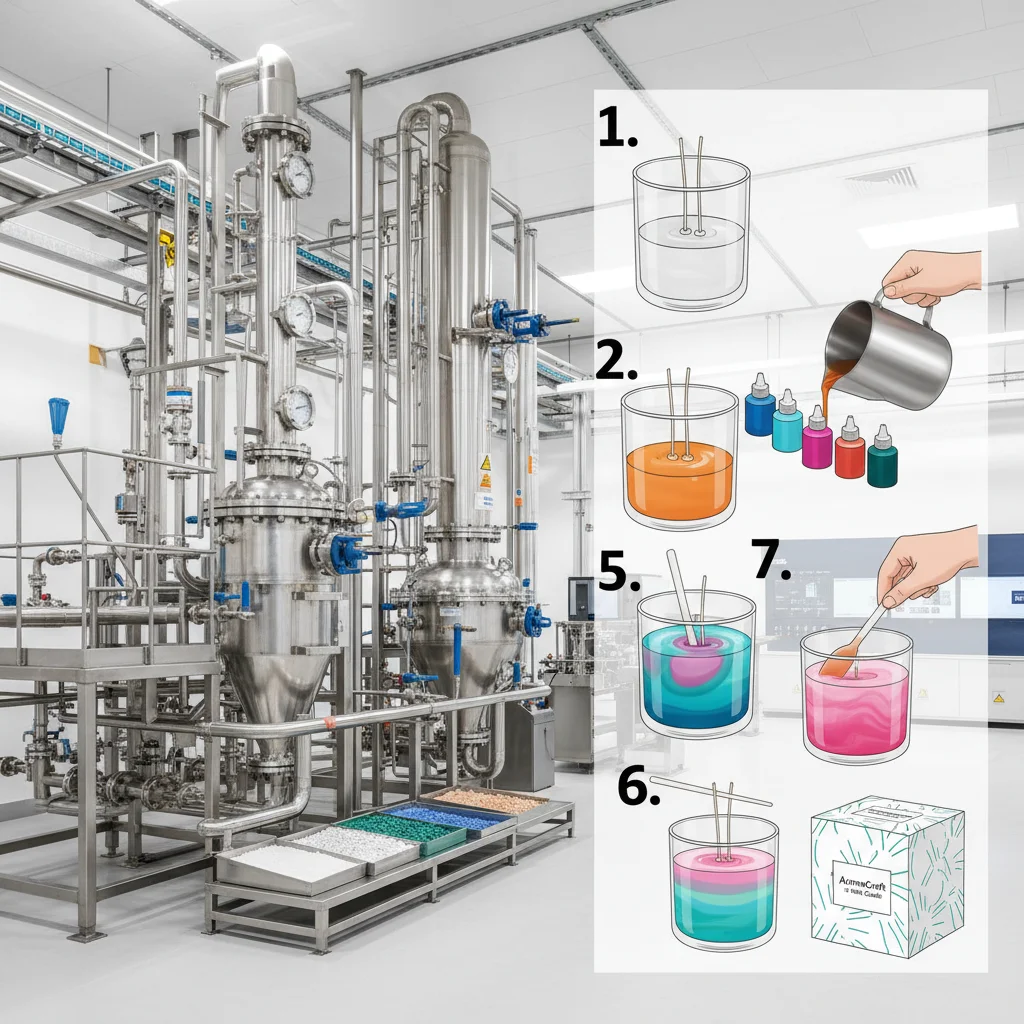
The gentle glow of a flame, emanating from an unscented candle, is a source of comfort and ambiance enjoyed across cultures and throughout history. Beyond its aesthetic appeal, the humble unscented candle serves a practical purpose – providing light and, increasingly, a blank canvas for crafting a personalized atmosphere. In a world saturated with heavily fragranced products, the appeal of an unscented candle is growing, driven by sensitivities, a desire for simplicity, and a conscious choice to control one's aromatic environment. This article explores the versatile world of the unscented candle, its applications, benefits, and future trends.
Globally, the demand for candles remains robust, with a market valued at billions of dollars. While scented candles dominate a significant portion of sales, the segment for unscented options is experiencing consistent growth. This is particularly true in regions where aromatherapy and fragrance sensitivities are more prevalent. According to recent market research, consumers are increasingly seeking products that minimize potential allergens and irritants. The desire for cleaner, simpler living has fueled this trend, positioning unscented candles as a safe and versatile alternative.
The shift towards unscented candles is not merely a consumer preference, but a response to a growing awareness of the impact of synthetic fragrances on health and well-being. From allergy sufferers to those sensitive to chemical odors, the need for fragrance-free options is driving innovation within the candle industry. This demand extends beyond personal use, reaching institutional settings like spas, hospitals, and schools, where maintaining a neutral olfactory environment is crucial.

Introduction to Unscented Candles
At their core, unscented candles represent a return to simplicity. They offer a pure, clean burn without the addition of synthetic fragrances, allowing the natural beauty of the flame to take center stage. This makes them ideal for individuals who are sensitive to smells, those who prefer a neutral ambiance, or anyone seeking a versatile lighting solution.
The growing popularity of unscented candles reflects a broader trend towards mindful consumption and a desire for products that prioritize health and well-being. As consumers become more discerning about the ingredients in the products they use, the demand for fragrance-free alternatives continues to rise, solidifying the position of the unscented candle as a staple in homes worldwide.
Defining the Unscented Candle
An unscented candle is, simply put, a candle that contains no added fragrances. Traditional candles achieve their aroma through the incorporation of essential oils or synthetic fragrance oils into the wax blend. An unscented candle, however, relies solely on the inherent scent of the wax itself – typically soy, beeswax, or paraffin – which is often very subtle or virtually undetectable.
This lack of added fragrance is a key differentiator, making unscented candles suitable for a wider range of applications. They are often favored in environments where strong smells are undesirable, such as during meditation, yoga, or in the presence of individuals with respiratory issues. Furthermore, unscented candles provide a neutral base for those who wish to personalize their atmosphere with essential oil diffusers or other fragrance sources.
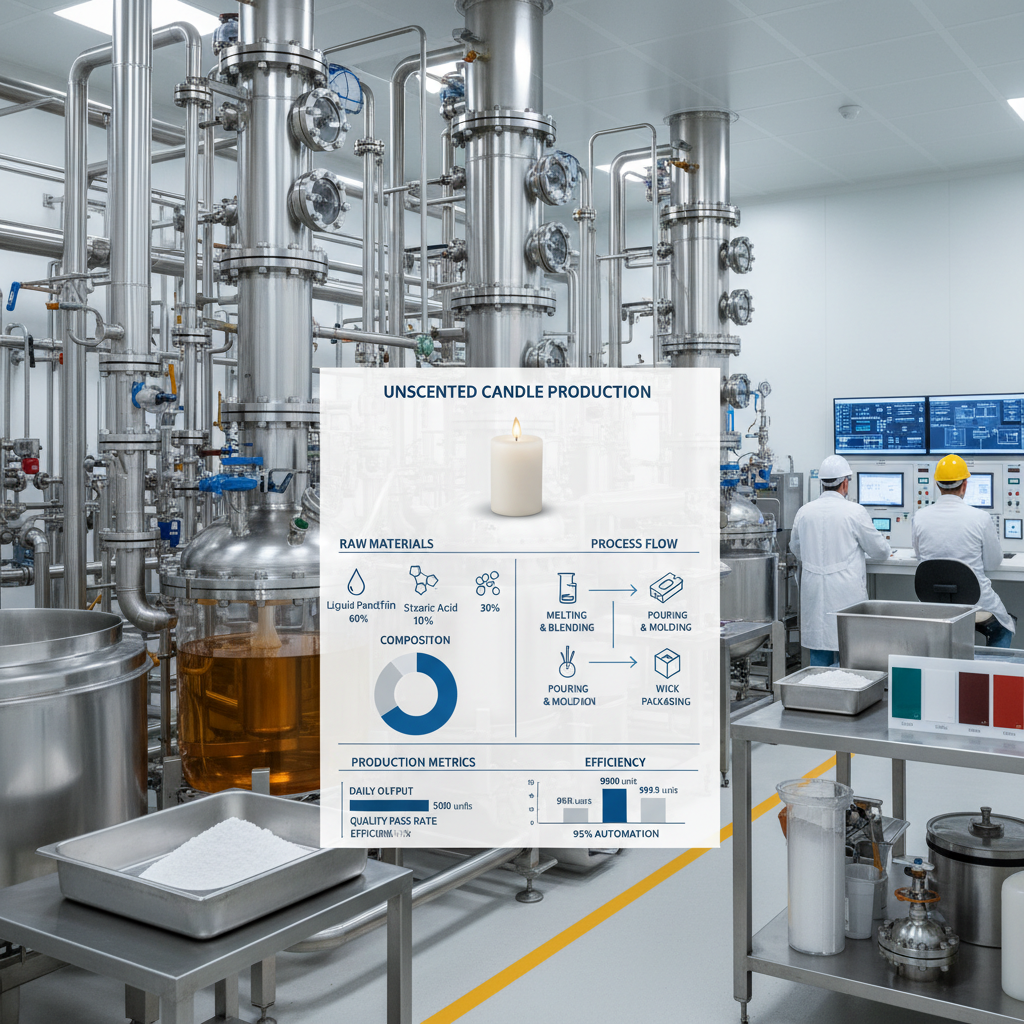
The production of unscented candles aligns with modern industrial needs for versatile, safe products. They are integral in industries demanding controlled environments like pharmaceutical manufacturing and food processing, where scent contamination must be rigorously avoided.
Core Characteristics of Unscented Candles
Durability is a crucial characteristic of any quality candle, and unscented candles are no exception. The burn time is primarily determined by the type of wax used – beeswax generally offering the longest burn time, followed by soy wax and then paraffin wax. The wick’s size and material also significantly influence how efficiently the wax is consumed.
Purity is arguably the defining feature of an unscented candle. It's the absence of synthetic fragrances that distinguishes these candles, ensuring a clean burn and minimizing the release of potentially harmful chemicals into the air. This purity is particularly important for individuals with allergies or sensitivities to fragrances.
Versatility is another key characteristic. The neutral nature of unscented candles allows them to seamlessly blend into any décor and complement any activity, from a relaxing bath to a formal dinner. They serve as a foundational element for creating ambiance without imposing a particular scent profile.
Diverse Applications of Unscented Candles
Unscented candles are increasingly used in aromatherapy practices, where individuals add their preferred essential oils to the melted wax, creating a custom scent experience. This offers complete control over the fragrance profile, ensuring a personalized and therapeutic effect.
In hospitality settings, such as spas and hotels, unscented candles are often preferred to avoid overpowering guests with strong fragrances. They provide a subtle, calming ambiance without interfering with individual scent preferences. Similarly, restaurants may opt for unscented candles to prevent interference with the aroma of the food.
Emergency preparedness kits frequently include unscented candles as a reliable source of light during power outages. They provide a safe and dependable alternative to electric lighting, particularly in situations where electricity is unavailable for extended periods.
Unscented Candle Wax Blend Performance
Advantages and Long-Term Value
The cost-effectiveness of unscented candles is a significant advantage. Without the added expense of fragrance oils, they are often more affordable than their scented counterparts, making them accessible to a wider range of consumers.
From a sustainability perspective, unscented candles can be a more eco-friendly choice. The production of synthetic fragrances often involves environmentally damaging processes. By opting for unscented candles, consumers can reduce their environmental footprint.
Future Trends in Unscented Candle Production
Innovations in wax technology are paving the way for cleaner-burning, longer-lasting unscented candles. Research into plant-based waxes, such as coconut wax and rapeseed wax, is gaining momentum, offering sustainable alternatives to traditional paraffin wax.
The integration of smart home technology is also influencing the future of candles. Remote-controlled candles, self-extinguishing candles, and candles with adjustable flame heights are becoming increasingly popular, adding convenience and safety to the candle-burning experience.
Digital platforms and online marketplaces are facilitating greater access to a wider variety of unscented candles, catering to diverse consumer preferences and driving innovation within the industry.
Challenges and Innovative Solutions
A common challenge with unscented candles is maintaining a consistent burn and avoiding tunneling (where the candle burns down the center, leaving wax along the sides). This can be addressed by using high-quality wax blends, properly sized wicks, and educating consumers on proper candle-burning techniques.
Ensuring consistent wax quality is another challenge, as variations in raw materials can affect the candle's burn time and overall performance. Manufacturers are employing stricter quality control measures and sourcing wax from reputable suppliers to mitigate this issue.
Addressing consumer misconceptions about unscented candles – particularly the belief that they are less enjoyable than scented candles – requires effective marketing and education. Highlighting the benefits of simplicity, purity, and versatility can help shift perceptions and attract a broader customer base.
Unscented Candle Quality Control Matrix
| Wax Quality |
Wick Performance |
Burn Consistency |
Soot Emission |
| Purity Level (1-10) |
Self-Trimming Efficiency (1-10) |
Uniform Melt Pool (1-10) |
Minimal Residue (1-10) |
| Soy Wax Blend - 9 |
Cotton Wick - 8 |
Consistent - 9 |
Very Low - 10 |
| Beeswax - 10 |
Wooden Wick - 7 |
Slight Variance - 7 |
Low - 8 |
| Paraffin Wax - 6 |
Zinc Core Wick - 5 |
Inconsistent - 4 |
Moderate - 5 |
| Coconut Wax - 8 |
Paper Core Wick - 6 |
Mostly Consistent - 8 |
Low - 7 |
| Palm Wax - 7 |
Pre-Waxed Wick - 7 |
Moderate - 6 |
Moderate - 6 |
FAQS
Unscented candles are ideal for those with allergies or sensitivities to fragrances, as they eliminate the risk of irritation. They also allow you to create your own atmosphere using essential oils or simply enjoy the ambiance of the flame without any competing scents. This makes them incredibly versatile for any setting, from meditation to dining.
While generally safer than scented candles, it’s important to note that all candles produce some soot when burned. For individuals with asthma, choosing a candle made from natural waxes like soy or beeswax and trimming the wick regularly can minimize soot production. Ensure adequate ventilation when burning any candle, and consult with a doctor if you have concerns.
Tunneling occurs when a candle burns down the center, leaving wax around the edges. To prevent this, allow the candle to burn long enough on its first use to create a full melt pool (wax melted across the entire surface). Trim the wick to ¼ inch before each burn and avoid burning the candle for excessively long periods.
Common waxes include soy wax, beeswax, paraffin wax, coconut wax, and palm wax. Soy and beeswax are popular choices for their natural and sustainable qualities. Paraffin is more affordable but can produce more soot. Coconut and palm waxes offer unique burn characteristics and are increasingly used in premium candles.
The wick size depends on the diameter of the candle and the type of wax used. Too small of a wick will result in a small flame and tunneling, while too large of a wick will produce excessive smoke and soot. Consult a wick guide or the wax manufacturer’s recommendations to ensure you select the appropriate size.
While it's possible to carefully melt the wax and add essential oils, it's not recommended. This can be dangerous if not done properly and may affect the candle's burn characteristics. It's best to add essential oils during the wax-melting process for a more even and safe distribution of fragrance. Alternatively, use an unscented candle alongside a separate essential oil diffuser.
Conclusion
In conclusion, the unscented candle provides a simple yet versatile solution for lighting, ambiance, and well-being. Its purity, cost-effectiveness, and adaptability cater to a growing demand for mindful consumption and personalized experiences. As consumer awareness of the impact of synthetic fragrances increases, the role of the unscented candle will undoubtedly become even more prominent.
Looking ahead, innovation in wax technology, combined with the integration of smart home features, promises to further enhance the appeal of unscented candles. By embracing sustainable practices and prioritizing quality, the candle industry can continue to provide consumers with a safe, reliable, and enriching experience. Visit our website to explore our collection of premium unscented candles: www.seawellcandle.com.