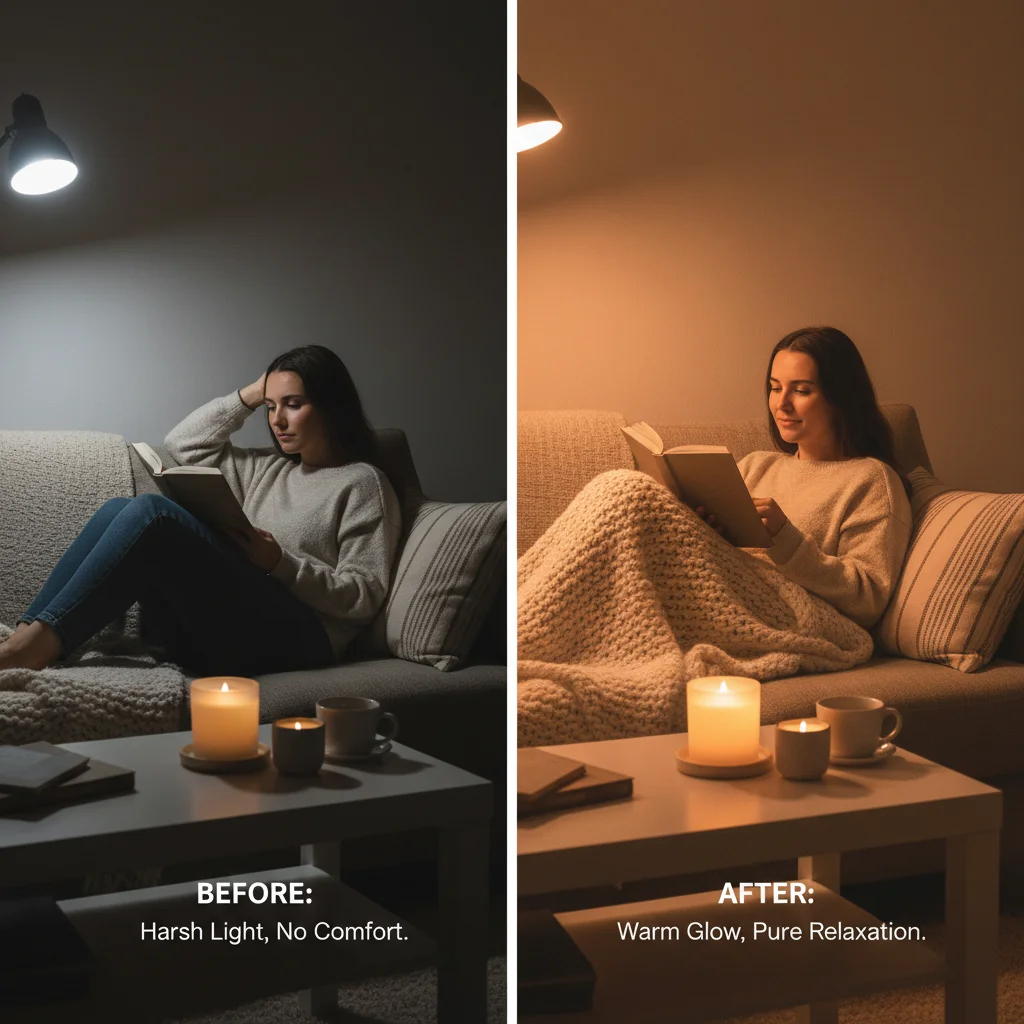
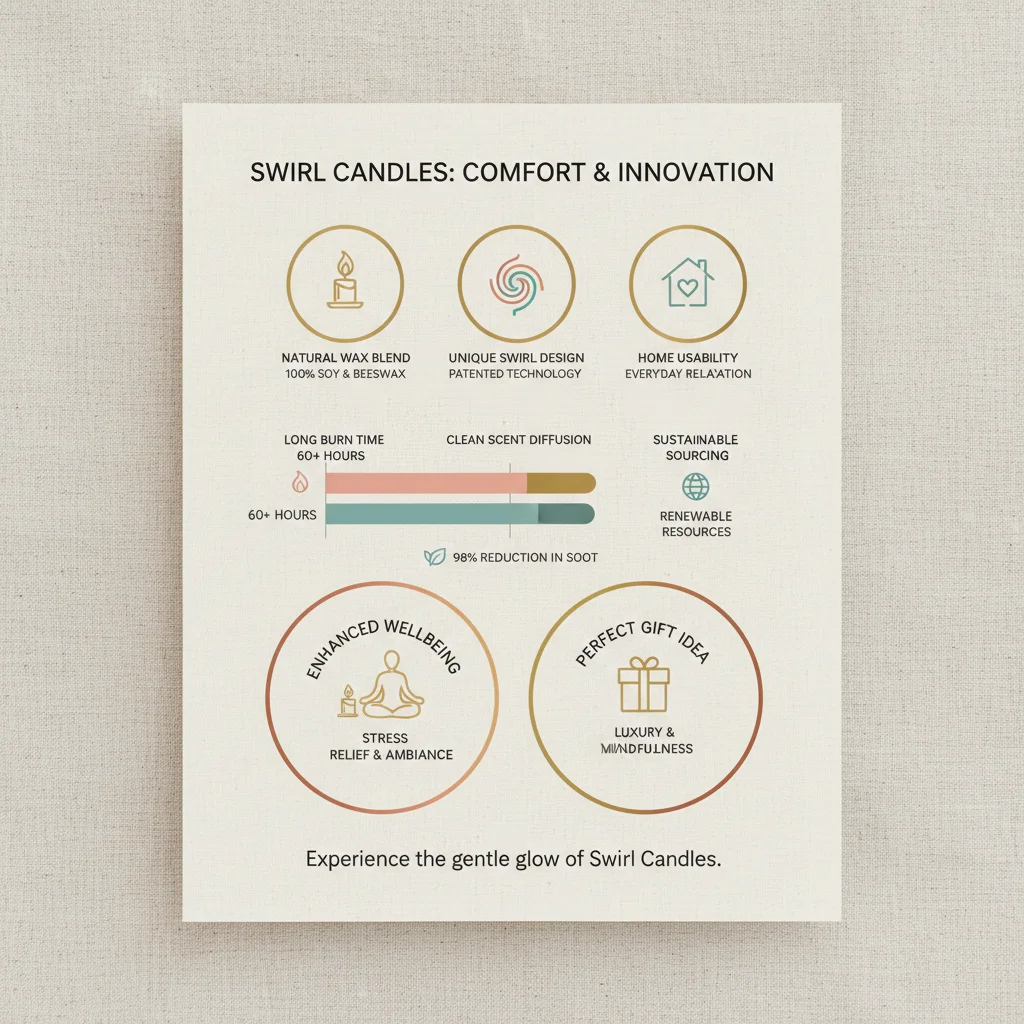
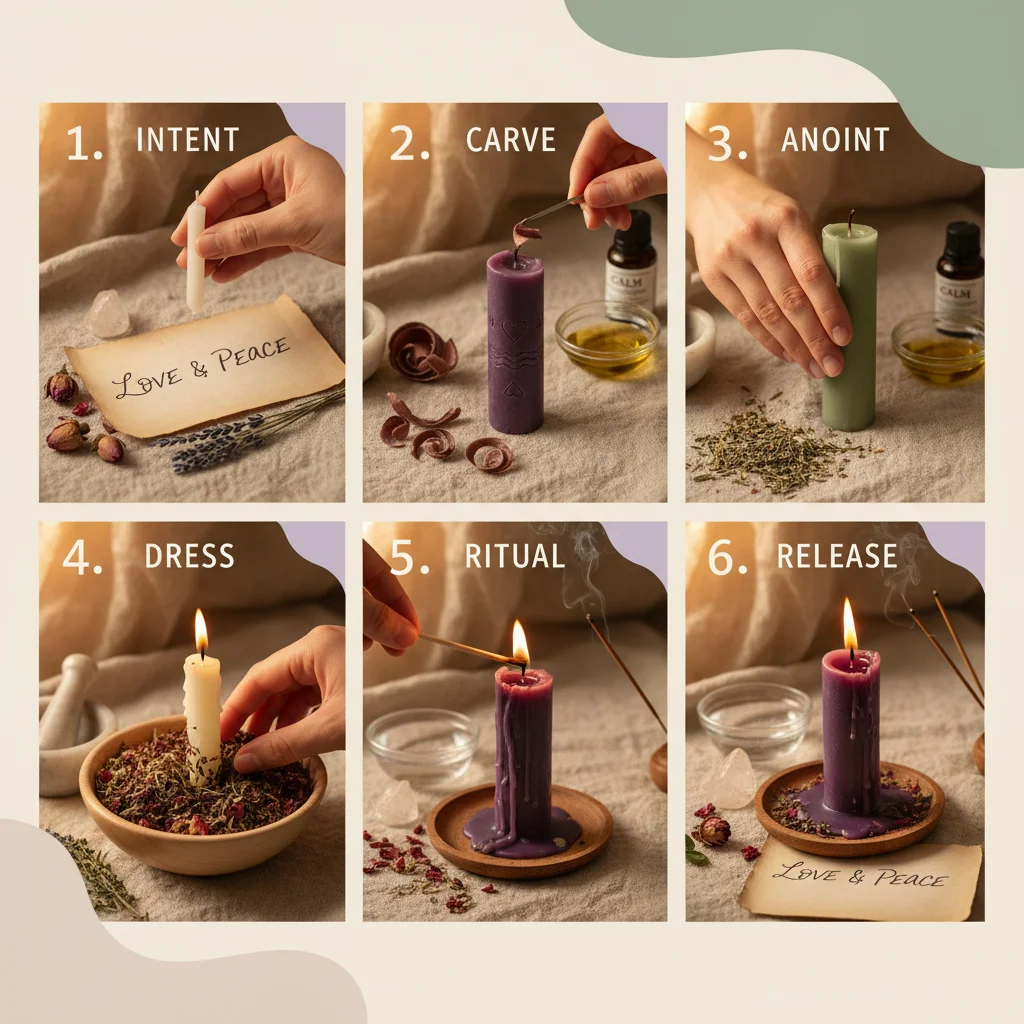
The tradition of lighting prayer candles spans centuries, serving as a universal bridge between the physical and the spiritual. These specialized candles are more than mere light sources; they are tangible representations of hope, intention, and devotion across various cultures and religious practices worldwide. From the solemnity of cathedrals to the intimacy of home altars, the act of lighting a candle transforms a space into a sanctuary for reflection and peace.
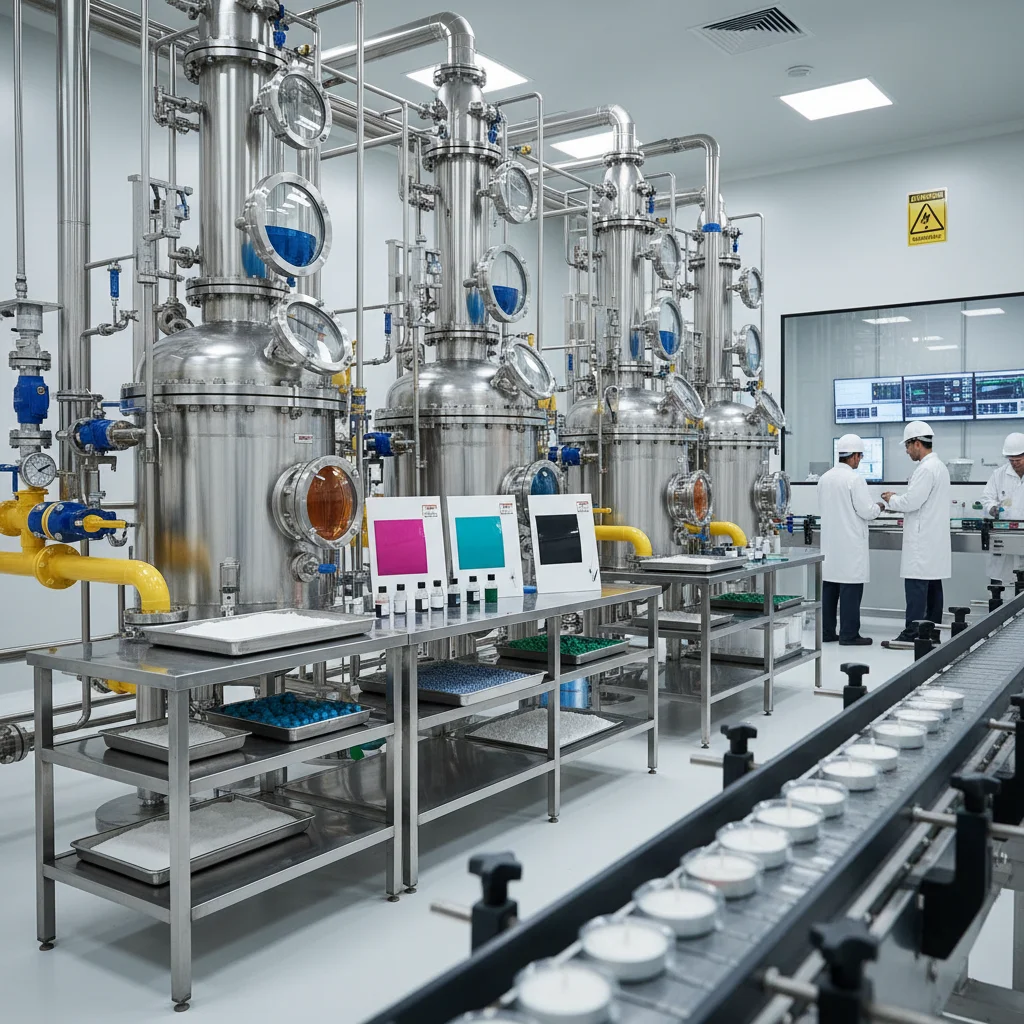
In the modern manufacturing landscape, the production of these items has evolved from simple artisanal crafts to a sophisticated chemical process. Today's industry focuses on balancing traditional symbolic values with technical requirements such as burn time, soot reduction, and scent throw. Understanding the nuances of material composition—whether using high-grade paraffin or sustainable beeswax—is crucial for creating a product that respects the sanctity of the ritual while meeting contemporary safety and environmental standards.
For businesses and practitioners alike, choosing the right prayer candles involves evaluating a blend of aesthetics, durability, and purpose. Whether it is a 7-day glass container candle for long-term vigils or a beeswax taper for specific liturgical ceremonies, the quality of the wax and the precision of the wick determine the overall experience. This guide explores the industry depths, from global demand and material science to the future of sustainable devotion.

Global Market Context of Prayer Candles
The global demand for prayer candles remains remarkably resilient despite the digitalization of spiritual practices. Market data indicates a steady growth in the "Home Devotional" segment, driven by a rising global interest in mindfulness and ancestral traditions. In regions like Latin America and Southern Europe, these candles are indispensable daily necessities, whereas in North American markets, there is a growing trend toward premium, eco-friendly versions of these devotional tools.
However, the industry faces significant challenges regarding material safety and environmental impact. Traditional paraffin-based candles, while cost-effective, are under scrutiny due to their petroleum origin. The challenge for manufacturers is to maintain the long-burn capabilities required for vigils while transitioning to biodegradable materials that align with ISO environmental management standards and consumer expectations for "clean" spirituality.
Defining the Essence of Devotional Lighting
At its core, prayer candles are specialized wax products designed to burn for extended periods, often symbolizing a continuous prayer or a perpetual light. Unlike decorative scented candles, their primary purpose is functional and symbolic. They are typically characterized by their stability, consistent flame, and often, a protective glass or ceramic container that allows them to burn safely for days without constant supervision.
In the context of the modern chemical industry, these candles represent a precise intersection of polymer science and consumer psychology. The "essence" of a prayer candle lies in its reliability; a flicker or a premature burnout can be seen as a disruption of the spiritual intent. Therefore, the chemical formulation must ensure a high melting point and a controlled capillary action in the wick to prevent tunneling or excessive soot.
Furthermore, these products have evolved to meet various humanitarian and psychological needs. In times of collective grief or national crisis, the mass lighting of these candles provides a visual sense of solidarity. By providing a physical focal point for meditation, they bridge the gap between abstract faith and tangible ritual, making them essential items in the global household and religious supply chain.
Core Technical Components for Quality
The durability of prayer candles is primarily determined by the wax blend. Paraffin remains a staple for its affordability and excellent scent throw, but the industry is seeing a massive shift toward beeswax and soy blends. Beeswax, in particular, is prized for its natural honey scent and longer burn time, which is critical for candles intended for long-term devotion.
Wick engineering is the second critical component. For prayer candles, the wick must be perfectly centered and composed of materials (like braided cotton or zinc-core) that can sustain a flame through deep wax pools without drowning. This ensures that the candle consumes the wax evenly, maximizing the product's lifespan and preventing hazardous overheating of the container.
Finally, the containment system plays a vital role in safety and scalability. Glass container candles provide the necessary protection against drafts and prevent wax spills, while ceramic options offer a more traditional, artisanal feel. The heat resistance of the glass is paramount; using tempered glass prevents cracking during the 7-day burn cycle, ensuring that the spiritual practice remains safe for the home environment.
Performance Metrics in Candle Manufacturing
To maintain high quality, manufacturers employ strict performance metrics. One of the most critical is the "burn rate," which calculates how many grams of wax are consumed per hour. For prayer candles, a slower, more consistent burn rate is the gold standard, as it ensures the candle lasts through the intended period of prayer or vigil.
Another key metric is "smoke emission." In enclosed prayer rooms or churches, excessive soot can damage artwork and affect air quality. By optimizing the wax-to-wick ratio and incorporating clean-burning additives, manufacturers can create candles that provide the necessary light without the undesirable carbon byproduct.
Comparative Performance Analysis of Devotional Candle Types
Global Applications and Cultural Use Cases
The application of prayer candles varies significantly across the globe. In Catholic traditions, specifically within Italian and Mexican cultures, the "Votive" or 7-day candle is used to keep a prayer "active" even after the practitioner has left the church. These are often paired with images of saints, blending the visual art of hagiography with the chemical utility of a long-burning wax.
Beyond religious institutions, these candles are increasingly used in secular mindfulness practices and mental health therapy. In "candle gazing" meditation, the steady flame of a high-quality pillar candle helps practitioners focus their mind and reduce anxiety. From the remote monasteries of Tibet to the urban apartments of New York, the simple act of lighting a candle serves as a universal signal for a transition from the chaotic external world to an internal state of peace.
Long-Term Value and Emotional Impact
The value of prayer candles extends far beyond their material cost. For the user, the reliability of a candle that doesn't extinguish unexpectedly provides a sense of psychological security and spiritual continuity. This "reliability trust" is what separates a professional-grade devotional candle from a generic household candle; it is the difference between a failed ritual and a successful one.
From a social perspective, these candles facilitate collective mourning and hope. During national tragedies, the sight of thousands of flickering lights creates a powerful emotional resonance that words cannot convey. This creates a long-term demand for candles that are not only safe and affordable but also aesthetically dignified, reflecting the respect due to the occasion.
Furthermore, for the manufacturer, the long-term value lies in brand loyalty. When a practitioner finds a candle that burns cleanly, lasts the promised duration, and doesn't produce irritating fumes, they develop a deep trust in that brand. This loyalty is driven by the emotional weight of the candle's purpose, making quality control an ethical imperative as much as a business one.
Future Innovations in Sustainable Wax
The future of prayer candles is undeniably green. We are seeing a move toward "circular wax" economies, where recycled beeswax and waste vegetable oils are refined into high-performance devotional candles. These innovations aim to reduce the carbon footprint of spiritual practices without sacrificing the longevity of the flame.
Digital transformation is also touching this ancient industry. Smart-manufacturing processes now allow for the precise dosing of additives to ensure every single candle in a batch of ten thousand has the exact same burn rate. Additionally, some luxury brands are exploring "hybrid" candles that combine traditional wax with LED-based safety backups for use in high-risk environments where open flames are prohibited.
Ultimately, the industry is moving toward a "clean-burn" standard. This involves removing phthalates and parabens from fragrance oils and moving toward 100% biodegradable wicks. By integrating chemistry with conscience, the production of devotional lighting is evolving to ensure that the act of praying for the world does not contribute to the world's pollution.
Comparative Analysis of Wax Materials for Prayer Candles
|
Wax Material
|
Burn Duration (Rating 1-10)
|
Environmental Impact
|
Cost Efficiency
|
| Pure Beeswax |
10 |
Very Low |
Low |
| Refined Paraffin |
7 |
High |
Very High |
| Soy Wax Blend |
8 |
Low |
Medium |
| Palm Wax |
9 |
Medium |
Medium |
| Gel Wax |
6 |
Medium |
Medium |
| Mixed Bio-Wax |
9 |
Very Low |
Medium |
FAQS
For maximum longevity and a clean burn, pure beeswax is the gold standard due to its higher melting point and natural density. However, for those seeking a balance between cost and performance, a high-quality soy-paraffin blend is often recommended. These blends maintain the structure needed for long-term vigils while reducing the overall carbon footprint and soot production compared to pure paraffin.
Tunneling occurs when the wax doesn't melt all the way to the edges of the container. To prevent this, always ensure the first burn lasts long enough for the entire top layer of wax to liquefy. If you are a manufacturer, ensure the wick size is perfectly matched to the candle's diameter; a wick that is too small will not generate enough heat to melt the outer edges, leading to wasteful wax buildup.
Yes, generally they are. Glass containers act as a shield against drafts, which prevents the flame from flickering and reducing burn efficiency. More importantly, the container captures any dripping wax, significantly reducing the risk of fire in home or church settings. However, it is essential to use tempered, heat-resistant glass to prevent the container from cracking under the prolonged heat of a 7-day burn.
No candle is truly 100% smoke-free, but "smoke-free" refers to a candle that produces minimal soot. This is achieved by using highly refined waxes and precision-braided cotton wicks that ensure complete combustion of the fuel. For prayer candles, this is crucial to prevent the blackening of ceilings and the inhalation of harmful particulates during long periods of use.
Yes, but it is recommended to use high-quality, essential oils or phthalate-free fragrance oils. In many traditions, specific scents like frankincense or myrrh are used to enhance the spiritual atmosphere. However, adding too much fragrance can clog the wick and cause the candle to sputter or burn unevenly. A professional fragrance load of 6-10% is usually optimal for maintaining a steady flame.
The choice depends on the intent of the ritual. 7-day candles (usually in glass) are designed for continuous, long-term petitions or memorials where the light must remain constant. Taper candles are more suitable for specific liturgical events, altar settings, or shorter meditations. If you need a "perpetual" light, the container candle is the only safe and viable option.
Conclusion
Throughout this exploration, we have seen that prayer candles are a sophisticated blend of spiritual tradition and chemical engineering. From the critical importance of wick selection and wax purity to the global cultural applications and the shift toward sustainable bio-waxes, every detail contributes to the user's emotional and spiritual experience. The transition from petroleum-based paraffin to eco-friendly alternatives marks a new era where devotion to the divine is coupled with a responsibility toward the planet.
As we look forward, the industry will likely continue to innovate in the realms of "clean-burn" technology and personalized devotional products. Whether you are a practitioner seeking a reliable light for your home altar or a business looking to source high-quality devotional supplies, prioritizing material integrity and safety is paramount. By choosing candles that respect both the ancient ritual and modern environmental standards, we ensure that the light of hope continues to burn brightly and cleanly for generations to come. Visit our website for more professional solutions: www.seawellcandle.com