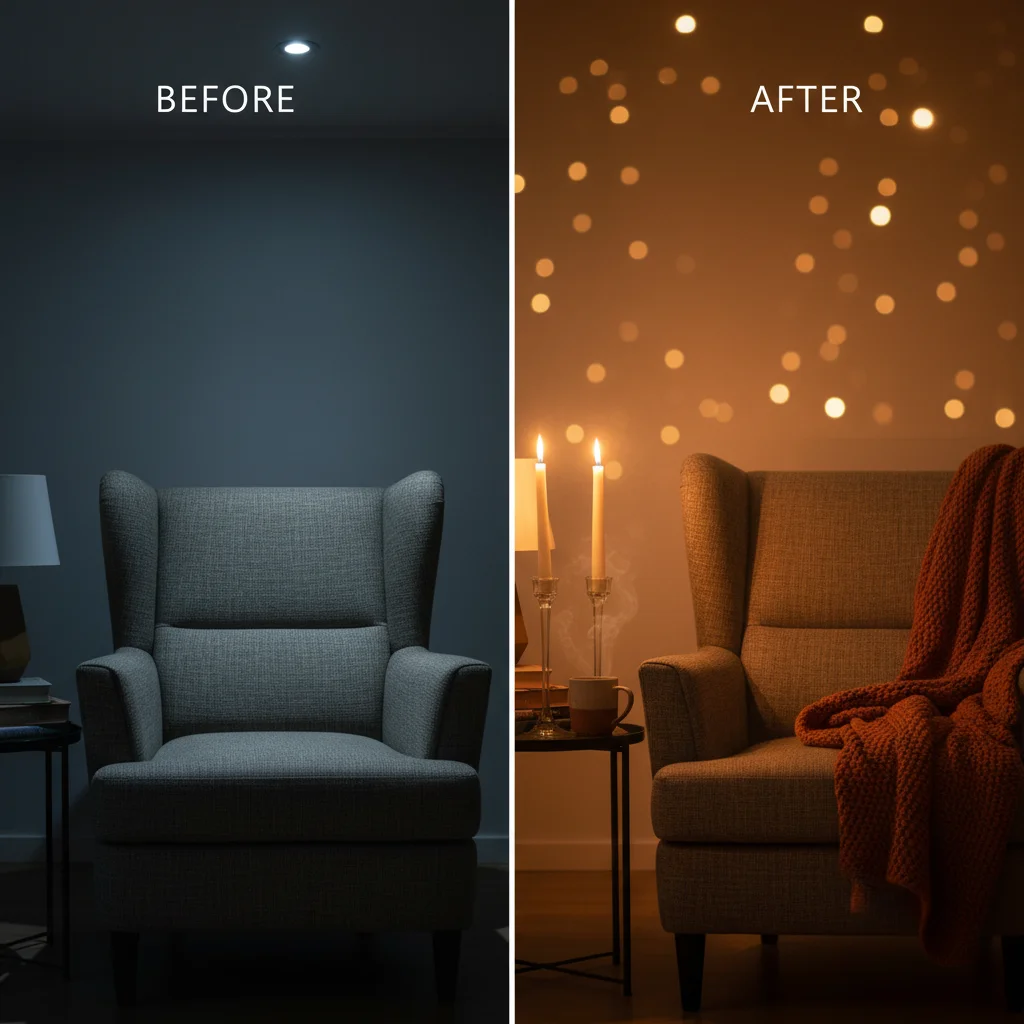
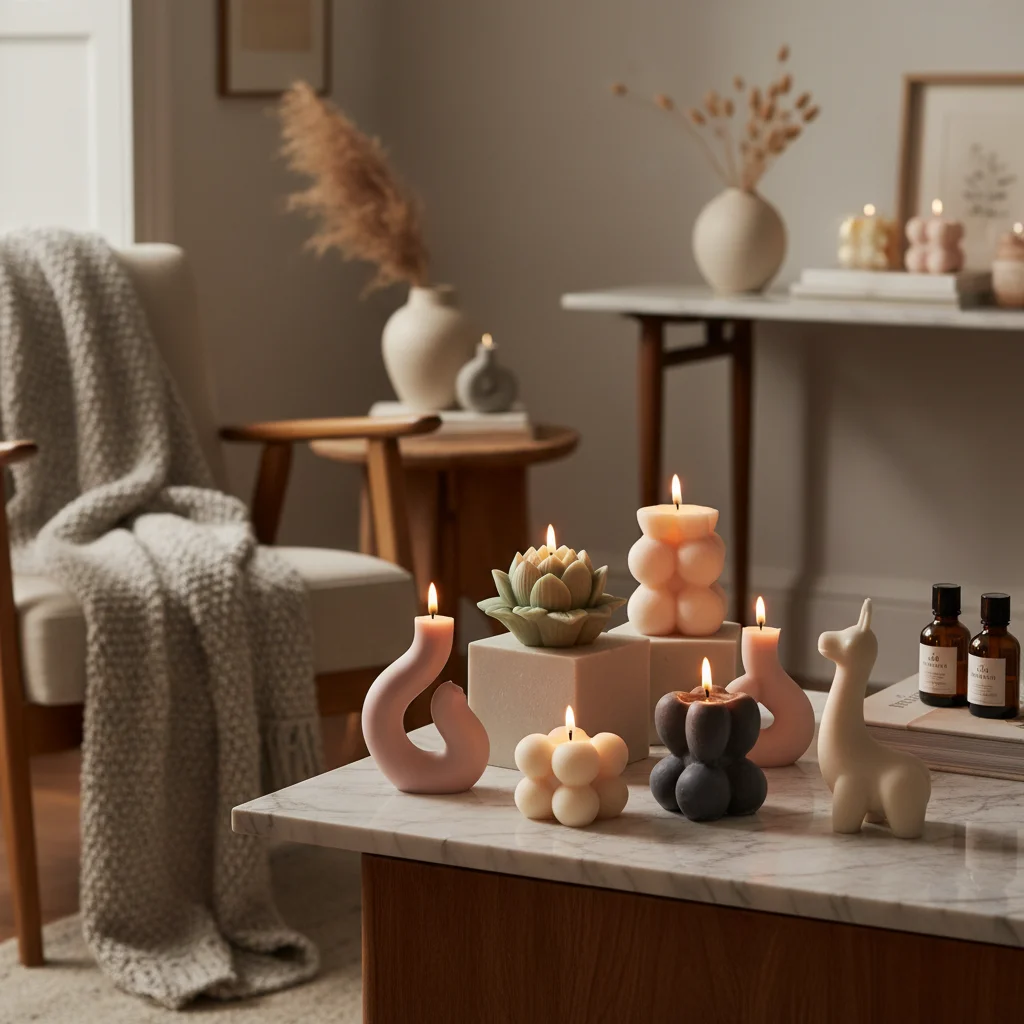
The gentle flicker of a household candle has illuminated homes and provided comfort for centuries. Beyond simple illumination, the modern household candle represents a versatile element in interior design, atmosphere creation, and even emergency preparedness. Understanding the nuances of candle types, materials, and safe usage is vital in maximizing their benefits and minimizing potential risks. From traditional wax candles to innovative soy and beeswax options, the household candle continues to evolve, catering to diverse needs and preferences.
Globally, the candle market demonstrates consistent demand, with an estimated value reaching billions of dollars annually. This demand isn't solely aesthetic; candles provide crucial lighting in regions with unstable power grids, and their psychological impact contributes to well-being. Data from market research firms indicates a growing trend toward natural and sustainable candle options, reflecting increased consumer awareness of environmental concerns. The industry also faces challenges related to material sourcing, production ethics, and ensuring product safety standards are consistently met.
The rise of aromatherapy and wellness trends further solidifies the household candle’s relevance. Consumers are increasingly seeking products that offer not only fragrance but also therapeutic benefits. This growing desire for holistic well-being fuels innovation in candle formulations and scent combinations. Therefore, examining the impact and function of the household candle is paramount to understanding contemporary consumer behavior.

The Evolution and Significance of household candle
Historically, the household candle evolved from rudimentary tallow and beeswax sources to the sophisticated wax blends available today. Early candles were primarily functional, offering essential light. Their significance extended beyond mere illumination, often holding religious or ceremonial importance in various cultures. This evolution demonstrates humanity’s enduring need for reliable, portable light.
The industrial revolution brought mass production techniques, making candles more accessible. Modern innovations, such as paraffin wax and scented candles, broadened the household candle’s appeal, transforming it into a decorative and sensory item. The rise of aromatherapy candles reflects a continued pursuit of wellness and a deeper connection to scent-based experiences.
Defining the Modern household candle
A household candle is fundamentally a source of light and fragrance, typically composed of wax and a wick. The wax serves as fuel, melting and vaporizing to sustain the flame. Modern candles utilize diverse wax types, including paraffin, soy, beeswax, and palm wax, each possessing unique characteristics in terms of burn time, scent throw, and environmental impact.
Its connection to modern industry lies in the supply chains required for wax production, fragrance development, and container manufacturing. The humanitarian aspect is revealed through candles serving as a critical light source during power outages and natural disasters. Furthermore, the candle industry provides employment opportunities in manufacturing, retail, and artisanal craft.
Beyond illumination, the modern household candle is often used for aromatherapy, mood setting, and decorative purposes. Its role has broadened beyond basic necessity to encompass lifestyle and well-being, demonstrating its adaptability and enduring cultural relevance.
Core Components of household candle Quality
The quality of a household candle hinges on several core components. First, the wax type significantly impacts burn time, scent throw, and overall safety. Soy wax and beeswax are considered more sustainable and cleaner-burning alternatives to paraffin wax. The wick material and size are also crucial, dictating flame height and wax pool formation.
Fragrance quality is paramount. Candles using natural essential oils offer authentic aromas and potential therapeutic benefits, while synthetic fragrances can be more affordable but may contain potentially harmful chemicals. Lastly, the container material influences heat retention and overall aesthetics, impacting the candle's performance and visual appeal.
Effective scent dispersion relates to the melt pool – a consistent, even melt pool indicates a well-made candle. A poor-quality candle may tunnel, leaving wax residue on the sides, or produce soot due to improper wick sizing. Careful consideration of these elements ensures a high-quality and enjoyable household candle experience.
Practical Applications of household candle
The primary practical application of a household candle remains providing a source of light, especially during power outages or in areas with limited electricity access. Beyond this, they are widely used for creating ambiance and setting a mood, enhancing relaxation, and fostering a cozy atmosphere in homes and businesses.
In post-disaster relief operations, household candles offer a safe and reliable lighting solution when electrical infrastructure is compromised. They're often included in emergency preparedness kits for this very reason. Furthermore, candles are integral to various ceremonies and rituals across diverse cultures, serving symbolic and spiritual purposes.
Household Candle Application Ratings
Global Usage Patterns of household candle
In North America and Europe, household candles are predominantly used for decorative and aromatherapy purposes, with a strong emphasis on scent and aesthetic appeal. The market is driven by seasonal trends, particularly during holidays and winter months. Consumer preference leans towards natural waxes and sophisticated fragrance blends.
In regions with less reliable electricity, such as parts of Africa and Asia, candles remain a vital source of light. Affordability is a key factor in these markets, and simpler wax varieties are commonly used. Cultural traditions also play a significant role, influencing candle usage in religious ceremonies and festivals.
Globally, there's a growing trend towards sustainably sourced candles and eco-friendly packaging. Consumers are becoming more conscious of the environmental impact of their purchases and are actively seeking brands that prioritize sustainability. This trend is driving innovation in wax production and container materials.
Advantages and Long-Term Benefits of household candle
The advantages of utilizing a household candle extend beyond immediate illumination. They offer a cost-effective alternative to electric lighting, particularly in areas with high energy costs. The emotional benefits are significant – candles create a sense of warmth, comfort, and relaxation, reducing stress and promoting well-being.
From a sustainability standpoint, choosing candles made from renewable resources like soy or beeswax minimizes environmental impact. These natural waxes are biodegradable and produce cleaner emissions compared to paraffin. The long-term value lies in the enduring appeal of candlelight and its ability to enhance any living space.
The inherent safety of a candle, when used responsibly, also contributes to its value. Compared to open flames from other sources, a well-maintained candle presents a controlled and manageable light source. Moreover, the trust and tradition associated with household candles create a sense of familiarity and nostalgia.
Future Trends and Innovations in household candle
The future of household candles is being shaped by several key trends. Bio-based waxes, derived from algae or plant oils, are gaining traction as sustainable alternatives. Smart candles, equipped with sensors and timers, offer enhanced safety and convenience. Digital fragrance diffusion systems, though distinct from traditional candles, represent a growing competitor and potential area of integration.
Automation in candle production, using robotics and 3D printing, is expected to increase efficiency and customization. Policies promoting sustainable sourcing and eco-friendly packaging will likely become more prevalent. The intersection of aromatherapy and technology – such as candles with integrated essential oil diffusers – is another exciting avenue for innovation.
The increasing demand for personalized experiences will drive the development of custom scent blending and candle-making kits. Ultimately, the household candle industry will continue to evolve, adapting to consumer preferences and technological advancements while maintaining its core appeal of warmth, light, and fragrance.
Addressing Common Challenges in Household Candle Performance
| Candle Type |
Common Issue |
Root Cause |
Potential Solution |
| Paraffin Wax Candle |
Sooting |
Improper wick length or wax composition |
Trim wick to 1/4 inch before each use; choose a higher-quality wax blend. |
| Soy Wax Candle |
Tunneling |
Insufficient burn time on first lighting |
Allow the candle to burn long enough to create a full melt pool across the surface. |
| Beeswax Candle |
Faint Scent Throw |
Beeswax has a natural aroma that can mask added fragrances. |
Use a higher concentration of fragrance oil specifically designed for beeswax. |
| Gel Candle |
Uneven Burning |
Poor gel consistency or foreign objects in the gel. |
Ensure proper gel mixing and avoid adding non-compatible materials. |
| Scented Candle |
Fading Scent |
Low-quality fragrance oil or evaporation over time. |
Choose candles with a high fragrance load and store them in a cool, dark place. |
| Container Candle |
Container Overheating |
Burning the candle for extended periods. |
Limit burn time to 4 hours; use heat-resistant containers. |
FAQS
The safest way to extinguish a household candle is to use a candle snuffer. This prevents hot wax from splattering and avoids creating smoke. Never blow out a candle, as this can cause wax to spill and potentially create a fire hazard. Alternatively, you can gently dip the wick into the melted wax using a non-flammable tool, effectively smothering the flame without producing smoke.
You should trim the wick of your household candle to about ¼ inch before each burn. Trimming the wick prevents smoking, sooting, and excessive flame height, ensuring a cleaner and safer burn. A properly trimmed wick also promotes even wax melting and a more consistent fragrance throw. Regular trimming prolongs the life of your candle.
No, household candle waxes vary significantly. Paraffin wax is the most common and affordable, but soy wax, beeswax, and coconut wax are considered more sustainable and cleaner-burning options. Each wax has unique properties regarding burn time, scent throw, and environmental impact. Soy and beeswax are often favored for their natural origins and longer burn times.
Tunneling in a household candle occurs when the wax only melts around the wick, leaving wax around the edges. To prevent this, allow the candle to burn long enough during the first burn to create a full melt pool across the entire surface. Avoid extinguishing the candle before this happens. If tunneling occurs, you can wrap foil around the candle to reflect heat back to the edges.
To best preserve your household candles, store them in a cool, dark, and dry place away from direct sunlight and heat sources. This prevents the wax from melting or the fragrance from fading. Keeping candles in their original packaging or airtight containers can also help retain their scent and quality. Avoid storing candles in areas with strong odors.
Scented household candles can potentially trigger allergies in sensitive individuals. Look for candles made with natural essential oils instead of synthetic fragrances, as these are less likely to cause reactions. Ensure good ventilation while burning candles. If you have severe allergies, it’s best to test a small amount of scent in a well-ventilated area before burning a candle extensively.
Conclusion
Throughout this exploration, we’ve seen how the household candle has evolved from a basic necessity to a multifaceted element of modern life, impacting illumination, ambiance, well-being, and even sustainable practices. Understanding the nuances of wax types, scent profiles, and safe usage is key to maximizing its benefits and minimizing potential risks. The historical context, core components, and global applications highlight the enduring relevance of this seemingly simple object.
Looking ahead, the household candle industry will undoubtedly continue to innovate, driven by sustainability concerns and consumer demand for personalized experiences. Embracing eco-friendly materials, exploring smart technology integrations, and prioritizing safety will be crucial for continued growth. For more information on our range of high-quality candles and to discover the perfect scent for your home, visit our website: www.seawellcandle.com.