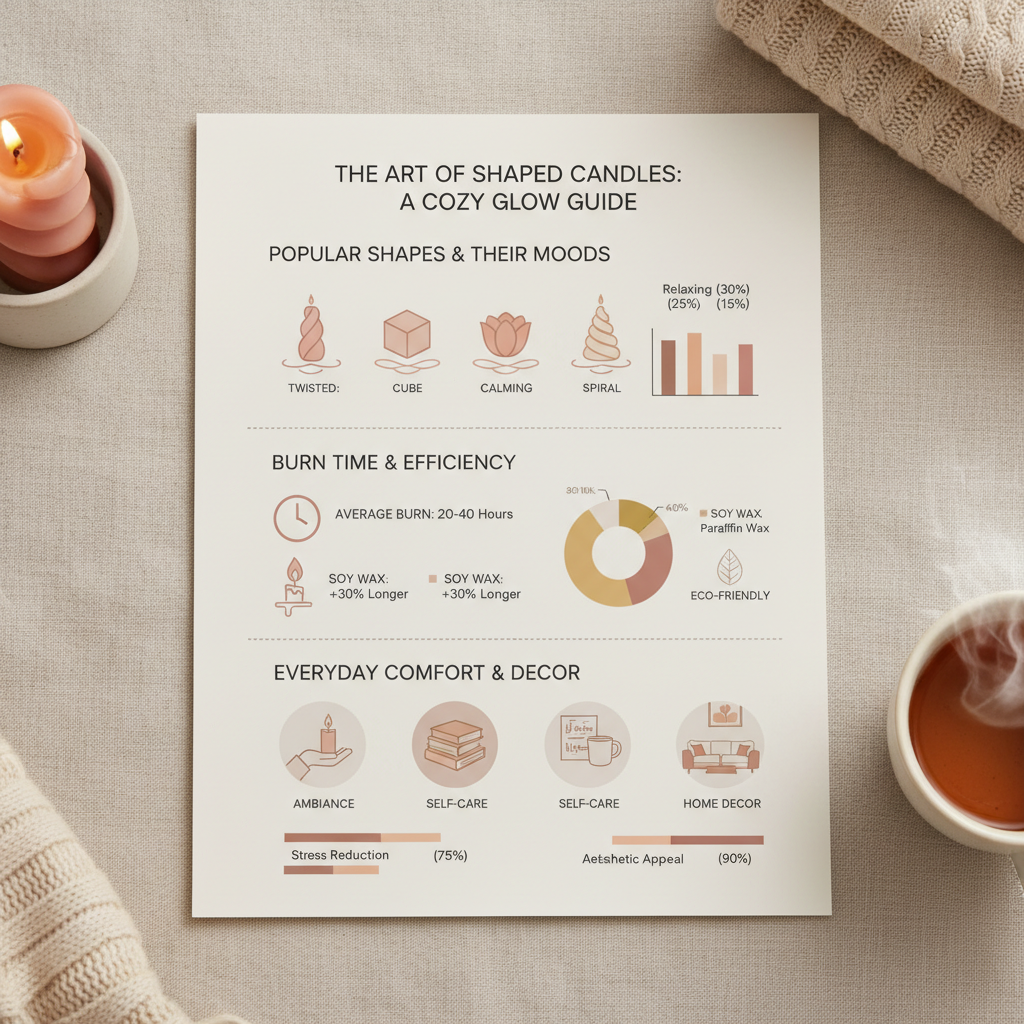
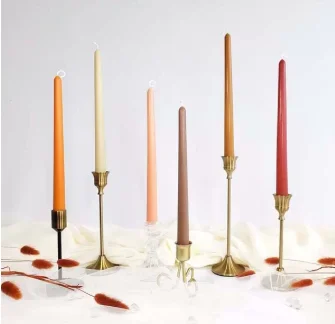
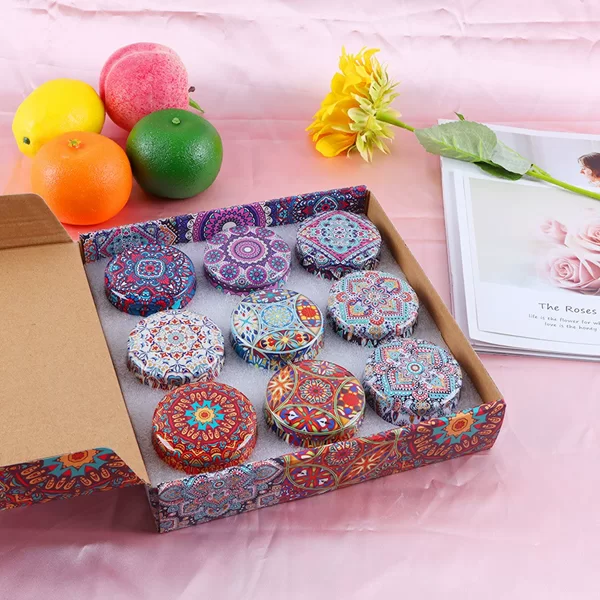
Shaped candles, beyond their aesthetic appeal, represent a fascinating intersection of artistry, chemical engineering, and cultural tradition. For centuries, candles have provided illumination, but the modern era has seen a surge in creative candle making, transforming them into decorative objects, gifts, and even personalized statements. The global market for candles is substantial, driven by demand for home fragrance, ambiance, and special occasion celebrations, and increasingly, by the desire for unique, hand-crafted items. Understanding the nuances of shaped candles - from wax composition to molding techniques - is crucial for both artisans and consumers alike.
The relevance of shaped candles extends beyond simply adding warmth and light to a space. They play a significant role in various industries, including event planning, hospitality, and even aromatherapy. The increasing focus on sustainability has also spurred innovation in candle materials, with a growing preference for natural waxes like soy, beeswax, and coconut wax. According to market research, the global candle market was valued at over $8.4 billion in 2023 and is projected to grow significantly in the coming years, highlighting the enduring appeal and expanding applications of this age-old product.
However, the production and use of traditional paraffin wax candles can raise environmental concerns. This has fueled a demand for eco-friendly alternatives and innovative shaping techniques, creating a dynamic landscape for shaped candles that addresses both aesthetic desires and environmental responsibility. The ability to create custom shaped candles opens up new avenues for branding, marketing, and personalized gifting, driving further growth in this specialized sector.
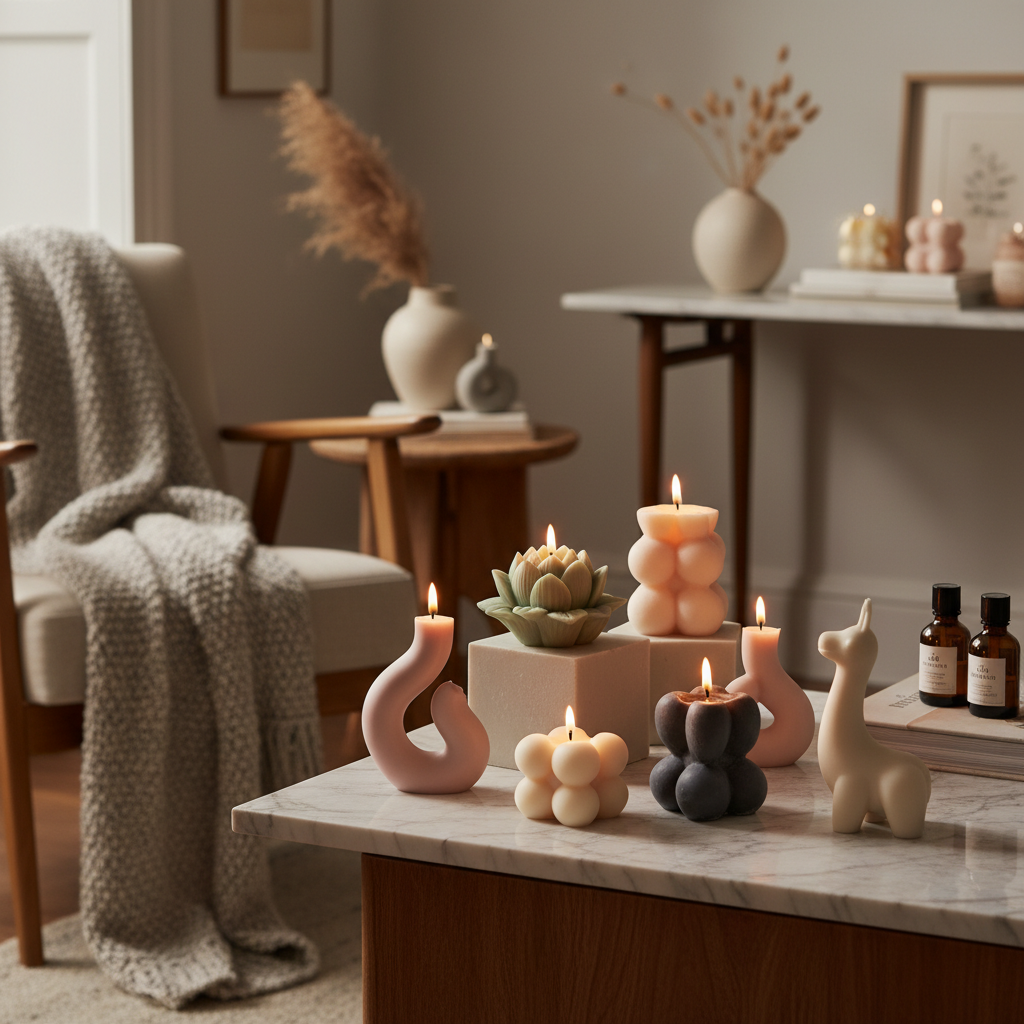
The Art and Science of Shaped Candles
Creating shaped candles is a delicate balance between artistic vision and scientific understanding. It involves careful control of wax temperature, pouring techniques, and cooling rates to achieve the desired form and quality. Different waxes, such as soy, beeswax, paraffin, and coconut wax, have unique properties that affect the candle’s burn time, scent throw, and overall appearance. Understanding these properties is essential for crafting high-quality, visually appealing shaped candles.
The process extends beyond simply melting and pouring wax; it incorporates colorants, fragrances, and even embedded objects to enhance the candle’s aesthetic and functional attributes. From intricate floral designs to geometric forms and personalized creations, the possibilities for shaped candles are virtually limitless. The demand for unique and customized candles is driving innovation in molding techniques and materials.
Defining Shaped Candles: A Modern Perspective
Shaped candles are defined as candles that are molded or formed into designs beyond the traditional cylindrical or tapered shapes. This encompasses a broad range of forms, from simple geometric shapes like hearts and stars to elaborate sculptures and intricate figures. These candles are often used for decorative purposes, gifting, or to create a specific ambiance, and frequently serve as focal points in interior design.
The modern resurgence of shaped candles is linked to the growing desire for personalized and artisanal products. Consumers are increasingly seeking items that reflect their individual style and preferences, and shaped candles offer a unique opportunity for self-expression. This demand has spurred a rise in independent candle makers and small businesses specializing in custom-designed candles.
Shaped candles differentiate themselves from standard candles by their emphasis on aesthetics and creative presentation, often complementing a specific theme or event. This ties directly into modern consumer trends favoring experiences and curated atmospheres, where candles contribute significantly to the overall sensory experience.
Core Components of Quality Shaped Candles
The quality of shaped candles hinges on several core components, starting with the wax itself. The choice of wax—soy, beeswax, coconut, or paraffin—significantly impacts burn time, scent throw, and environmental impact. Soy wax is popular for its clean burn and sustainability, while beeswax offers a natural aroma and longer burn time. Paraffin wax, while affordable, has faced scrutiny due to environmental concerns.
Fragrance oils play a crucial role in the overall appeal of shaped candles. High-quality fragrance oils, carefully blended and dosed, create a pleasing aroma without compromising the candle's burn performance. Properly incorporating the fragrance oil into the molten wax is essential for even scent distribution. Colorants, whether dyes or pigments, contribute to the visual appeal, but must be chosen carefully to avoid affecting the burn quality.
Finally, the wick is a critical component. The correct wick size and type must be selected based on the wax, fragrance load, and diameter of the candle. An improperly sized wick can lead to tunneling (where the candle burns down the center, leaving wax around the edges) or excessive smoking. Quality shaped candles depend on the harmonious interplay of these components.
Shaping the Future: Materials and Techniques
Traditional candle molding techniques involve pouring molten wax into pre-made molds. However, contemporary artisans are exploring innovative methods, including 3D printing, silicone molds, and hand-carving. 3D printing allows for complex designs and intricate details that are difficult to achieve with conventional methods, opening up new possibilities for personalization.
The selection of mold material is also crucial. Silicone molds offer flexibility and ease of use, while metal molds provide greater durability and precision. The development of new wax blends, incorporating natural additives like plant-based waxes and essential oils, is further enhancing the sustainability and performance of shaped candles.
Shaped Candle Production Methods – Efficiency & Complexity
Global Applications and Market Trends
Shaped candles have a diverse range of applications, spanning from home décor and gifting to event planning and aromatherapy. The hospitality industry frequently utilizes uniquely shaped candles to enhance ambiance and create a memorable guest experience. Specialty retailers often stock custom-designed candles to cater to specific themes or seasons.
Globally, North America and Europe remain the largest markets for candles, with a growing demand for natural and sustainable products. Asia-Pacific is experiencing rapid growth, driven by rising disposable incomes and a growing awareness of home fragrance and wellness trends. The popularity of shaped candles is also increasing in regions with strong cultural traditions around candle lighting, such as Latin America and the Middle East.
Advantages and Long-Term Value Proposition
The advantages of shaped candles extend beyond their aesthetic appeal. They offer a unique opportunity for branding and personalization, making them ideal for corporate gifts or promotional items. The growing demand for artisanal products also contributes to the long-term value proposition of shaped candles, as consumers are willing to pay a premium for unique, handcrafted items.
Furthermore, the increasing focus on sustainability creates opportunities for shaped candle businesses to differentiate themselves by using eco-friendly waxes and packaging. This appeals to environmentally conscious consumers and enhances brand reputation. Investing in quality materials and innovative designs ensures lasting customer satisfaction and brand loyalty.
Shaped candles offer a tangible experience—a comforting glow, a captivating scent—that contributes to emotional well-being. This intangible value, coupled with their potential for customization, reinforces their enduring appeal and positions them as a worthwhile investment for both consumers and businesses.
Innovations and Challenges in Shaped Candle Production
Recent innovations in shaped candle production include the development of self-trimming wicks, which minimize soot and ensure a cleaner burn. Automated pouring systems are also streamlining the production process, increasing efficiency and reducing labor costs. The exploration of new fragrance encapsulation technologies is enhancing scent throw and longevity.
However, challenges remain, including the high cost of raw materials, particularly natural waxes and fragrance oils. Maintaining consistent quality across large production runs can also be difficult. The environmental impact of candle production, particularly the use of paraffin wax and non-biodegradable packaging, remains a concern.
Overview of Shaped Candle Production Challenges and Mitigation Strategies
| Challenge Category |
Specific Challenge |
Impact Level (1-10) |
Mitigation Strategy |
| Material Costs |
High cost of natural waxes (soy, beeswax) |
8 |
Source from multiple suppliers, explore wax blends, optimize wax usage |
| Production Efficiency |
Labor-intensive molding process for complex shapes |
7 |
Invest in automated pouring equipment, streamline mold design |
| Quality Control |
Maintaining consistent scent throw and burn quality |
6 |
Implement rigorous testing procedures, standardize fragrance oil blending |
| Environmental Impact |
Use of paraffin wax and non-biodegradable packaging |
9 |
Transition to natural waxes, utilize eco-friendly packaging materials |
| Market Competition |
Increasing number of small-scale candle makers |
5 |
Differentiate through unique designs, branding, and customer service |
| Regulatory Compliance |
Adhering to fragrance and labeling regulations |
4 |
Stay informed about regulations, ensure accurate labeling and ingredient disclosure |
FAQS
For detailed shaped candles, soy wax blends with additives are ideal. These offer good mold release, hold intricate details, and burn cleanly. Beeswax can also be used but tends to be harder to work with for complex forms. Avoid using pure paraffin wax for detailed shapes as it can be brittle and prone to cracking during cooling. Experimenting with different wax blends is key to achieving the desired results for specific designs. Properly prepping your molds with a release agent is also crucial for clean removal.
Tunneling occurs when the candle only burns down the center, leaving wax around the edges. To prevent this, ensure you're using the correct wick size for the diameter of the candle. A wick that's too small won’t create a large enough melt pool. Allow the candle to burn for at least 2-3 hours during the first burn to establish a full melt pool across the entire surface. Avoid extinguishing the candle before the wax has fully melted to the edges, as this reinforces tunneling.
Yes, but with caution. Embed only non-flammable objects, such as dried flowers (completely dried!), crystals, or small metal charms. Avoid plastic or anything that could melt or release harmful fumes when heated. Ensure the embedded object doesn’t interfere with the wick or create air pockets that could cause uneven burning. Test the candle thoroughly before selling it to ensure it burns safely and consistently.
Use candle-specific dyes or liquid pigments designed for wax. Avoid using food coloring or other non-candle dyes, as they can clog the wick and cause soot. Start with a small amount of dye and gradually add more until you achieve the desired color. Over-dyeing can affect the wax's burn properties. Ensure the dye is fully blended into the molten wax before pouring to avoid streaking or uneven coloration.
Use high-quality fragrance oils designed for candles. The fragrance load (percentage of fragrance oil to wax) typically ranges from 6-10%, but always follow the fragrance oil manufacturer's recommendations. Pour the fragrance oil into the wax when it’s at the correct temperature (usually slightly below the pour point) and stir gently but thoroughly for at least two minutes to ensure it's fully incorporated. Avoid overheating the wax, as this can degrade the fragrance.
Consider using recycled cardboard boxes, kraft paper wrapping, or glass jars with reusable lids. Avoid plastic packaging whenever possible. You can also use biodegradable packing peanuts or shredded paper as cushioning material. Clearly label your packaging as eco-friendly to appeal to environmentally conscious customers. Minimalist packaging is also a trend, reducing waste and emphasizing the beauty of the candle itself.
Conclusion
In conclusion, shaped candles are more than just decorative items; they represent a blend of artistry, science, and sustainability. The ability to customize designs, utilize eco-friendly materials, and cater to evolving consumer preferences positions shaped candles for continued growth and innovation. From the meticulous selection of wax and fragrance to the skillful molding and finishing techniques, every aspect contributes to the unique appeal of these handcrafted creations.
Looking ahead, further advancements in materials, automated production processes, and sustainable practices will shape the future of the industry. Investing in research and development, prioritizing quality control, and responding to consumer demand for personalized experiences will be key to success. Explore the possibilities and discover the artistry of shaped candles – visit our website today: shaped candles.