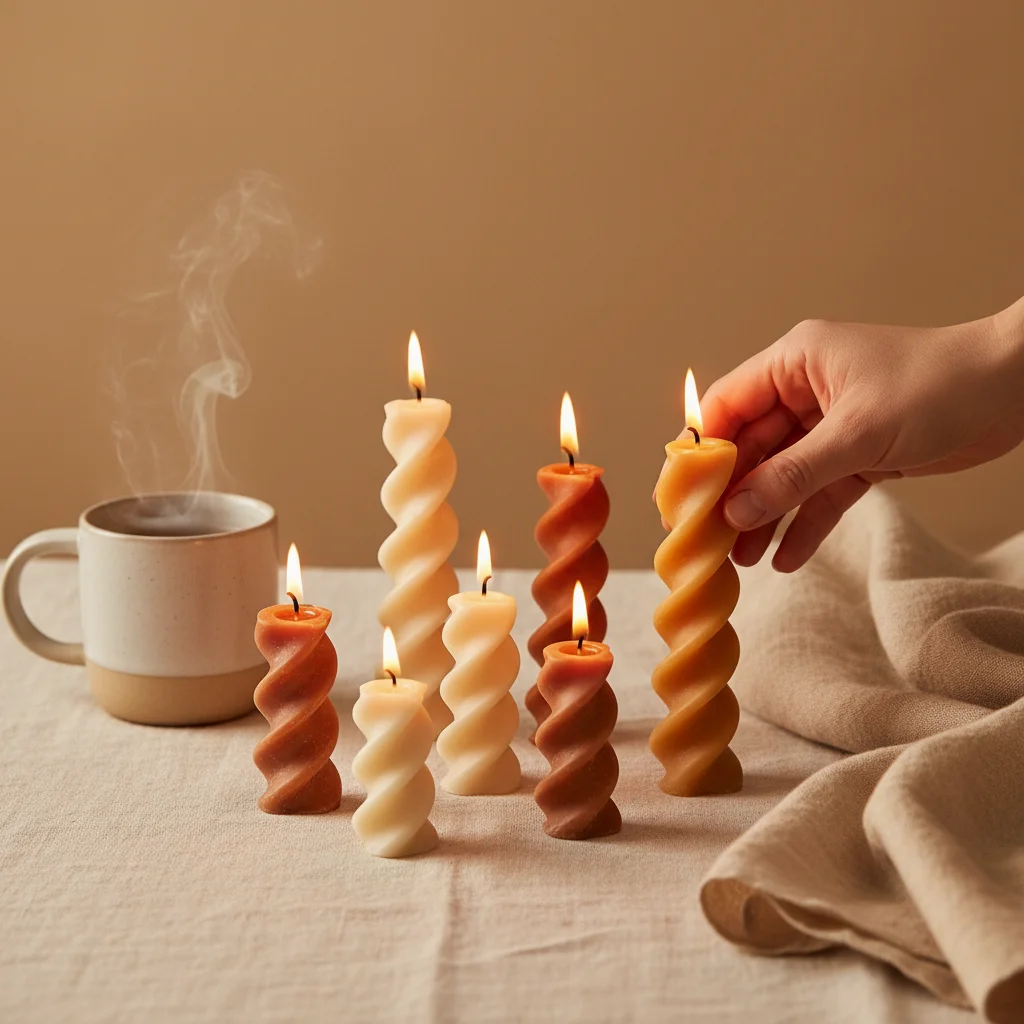
Throughout history, white candles have held significant cultural and practical importance. From ancient religious ceremonies to providing essential illumination before the advent of electricity, their presence has been a constant across civilizations. Today, despite readily available electric lighting, white candles continue to thrive, evolving from purely functional objects to symbols of peace, remembrance, and ambiance. Their enduring appeal lies in their simplicity, versatility, and the unique, comforting atmosphere they create, making them a cornerstone of many traditions and a staple in modern homes.
The global market for candles, particularly white candles, is substantial and continues to grow. According to market research reports, the candle industry generates billions of dollars in revenue annually, with North America and Europe representing the largest consumer bases. However, demand is steadily increasing in emerging markets like Asia-Pacific and Latin America. This growth is driven by factors such as rising disposable incomes, a renewed focus on home décor, and the increasing popularity of aromatherapy and wellness practices.
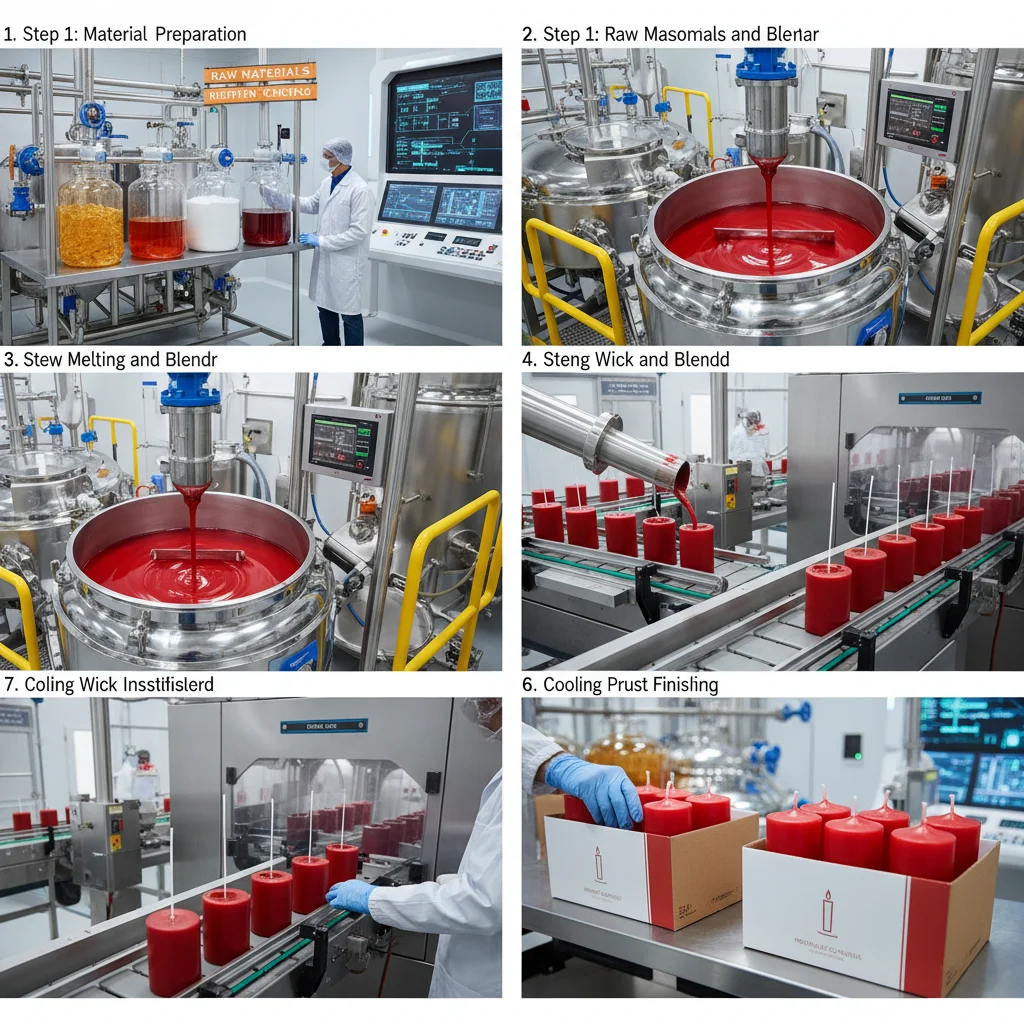
Understanding the nuances of white candles – their composition, production, and applications – is crucial for both consumers and industries. The materials used, from wax types (paraffin, soy, beeswax) to wick construction, directly impact burn time, scent throw, and overall quality. Furthermore, sustainable sourcing and environmentally conscious manufacturing processes are becoming increasingly important considerations in the modern candle market.
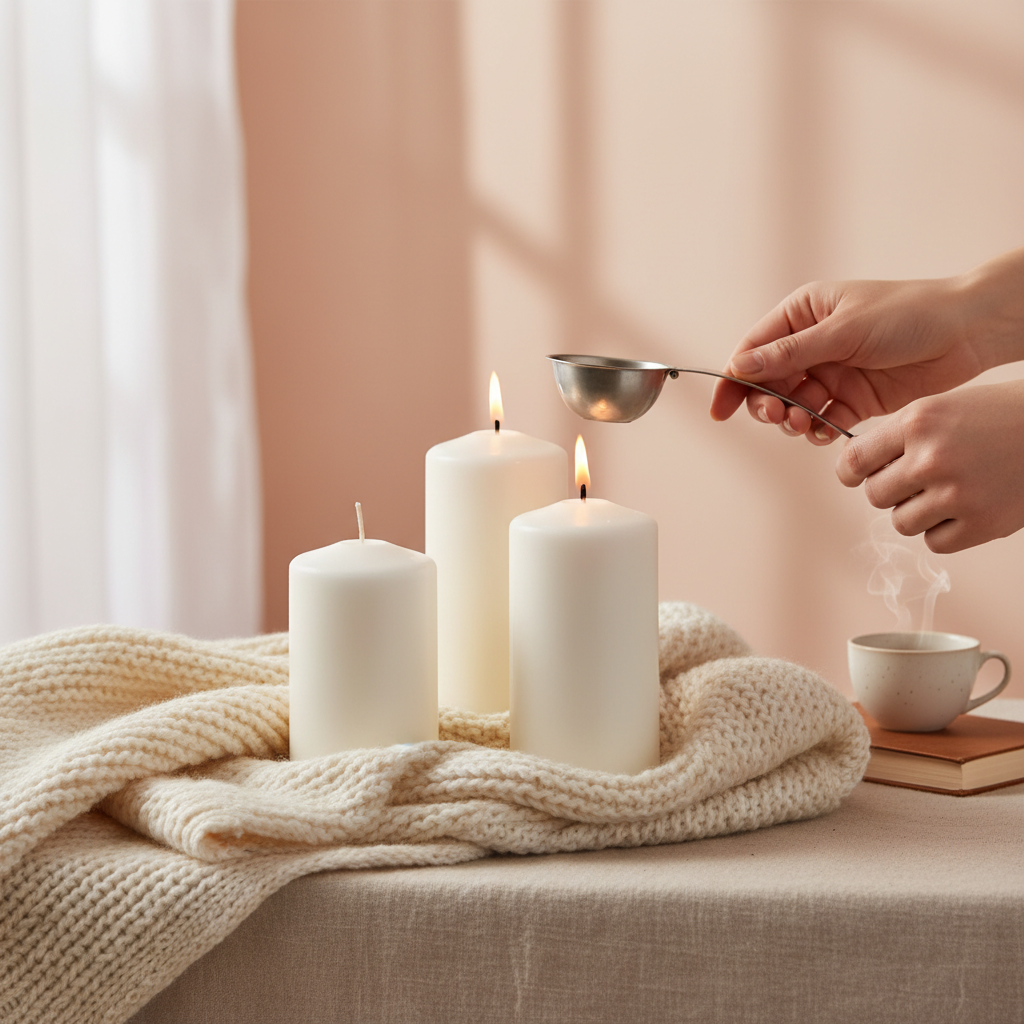
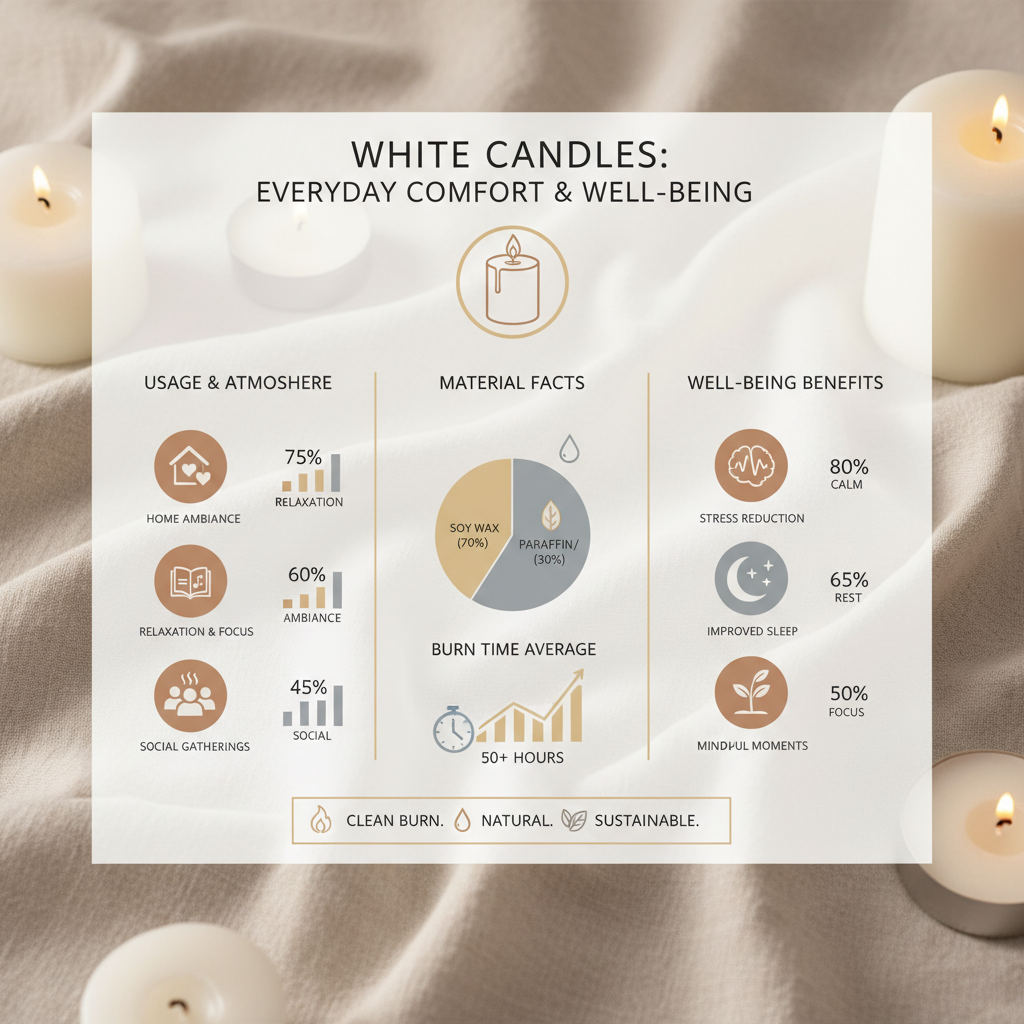
The history of white candles stretches back thousands of years, originating with the ancient Egyptians, who used rushlights made from reeds dipped in melted tallow. Over time, candles evolved with the use of beeswax and later, paraffin wax. The color white, however, gained prominence later, symbolizing purity and holiness, particularly within religious contexts.
The development of modern candle-making techniques in the 19th and 20th centuries significantly impacted the accessibility and affordability of white candles. Stearic acid, a hardening agent, became widely used, improving burn quality and scent retention. Today, a diverse range of waxes, including soy wax and palm wax, offer environmentally friendly alternatives, catering to the growing demand for sustainable products.
Paraffin is a byproduct of petroleum refining and is the most affordable option, but it burns faster and can release soot. Soy wax is a renewable resource made from soybean oil, offering a cleaner burn and longer lifespan. Beeswax is a natural wax produced by bees, known for its subtle honey scent and air-purifying properties. Choosing between them depends on your priorities – affordability, sustainability, or scent preference.
Tunneling occurs when a candle burns down the center, leaving wax around the edges. To prevent this, allow the candle to burn long enough on the first burn to create a full melt pool – where the wax is melted evenly across the entire surface. Trim the wick to ¼ inch before each use to ensure a clean, even burn. Avoid burning the candle for less than 2-3 hours at a time.
Generally, yes, but it depends on the quality of the fragrance oil. Look for candles made with phthalate-free fragrance oils, as phthalates are potentially harmful chemicals. Ensure the candle is burned in a well-ventilated area and avoid burning it for extended periods. Always follow the manufacturer's instructions.
To maximize a white candle’s lifespan, trim the wick to ¼ inch before each burn. Avoid drafts, as they can cause uneven burning. Store your candles in a cool, dark place when not in use. Consider using a candle snuffer to extinguish the flame instead of blowing it out, which can create smoke and affect the wax.
Do not pour leftover wax down the drain, as it can solidify and cause blockages. Instead, scrape out any remaining wax and dispose of it in the trash. The glass container can be cleaned with hot soapy water. Consider repurposing the container for small storage items or DIY projects.
Across numerous cultures, white is overwhelmingly associated with purity, peace, and spiritual enlightenment. In Western traditions, it often represents innocence and remembrance. In Eastern cultures, white can symbolize mourning and the afterlife. The symbolism can also vary based on specific religious practices, but the overarching theme of purity and holiness is consistently present.
In conclusion, white candles are far more than simple sources of light. Their rich history, symbolic significance, and diverse applications demonstrate their enduring relevance in modern society. From religious ceremonies to aromatherapy and everyday home décor, they offer a unique blend of functionality, aesthetic appeal, and emotional resonance.
Looking ahead, the future of white candles lies in innovation and sustainability. Embracing eco-friendly materials, developing smart technologies, and prioritizing responsible manufacturing practices will ensure that these timeless objects continue to illuminate our lives for generations to come. Visit our website at Seawell Candle to explore our collection and experience the difference.