Colored candles, more than mere sources of light, represent a vibrant intersection of artistry, tradition, and modern aesthetics. Throughout history, candles have held cultural and religious significance, and the addition of color has amplified their symbolic power, making them integral to celebrations, rituals, and everyday ambiance. The global market for candles, including colored candles, is substantial and growing, driven by a consumer desire for personalized experiences and home décor.
The demand for colored candles spans continents, influencing economies from artisan workshops in developing nations to large-scale manufacturing operations in industrialized countries. Statistics demonstrate a consistent rise in the home fragrance market, where candles play a central role, with color being a key purchasing factor. The industry faces challenges related to sustainable sourcing of materials and reducing environmental impact, creating opportunities for innovation and responsible production.
Understanding the nuances of colored candles – their production, applications, and emerging trends – is vital for businesses, artists, and consumers alike. This knowledge empowers informed choices and fosters a deeper appreciation for these captivating objects, offering a blend of functionality, emotional connection, and visual appeal.
The Significance of Color in Candle Making
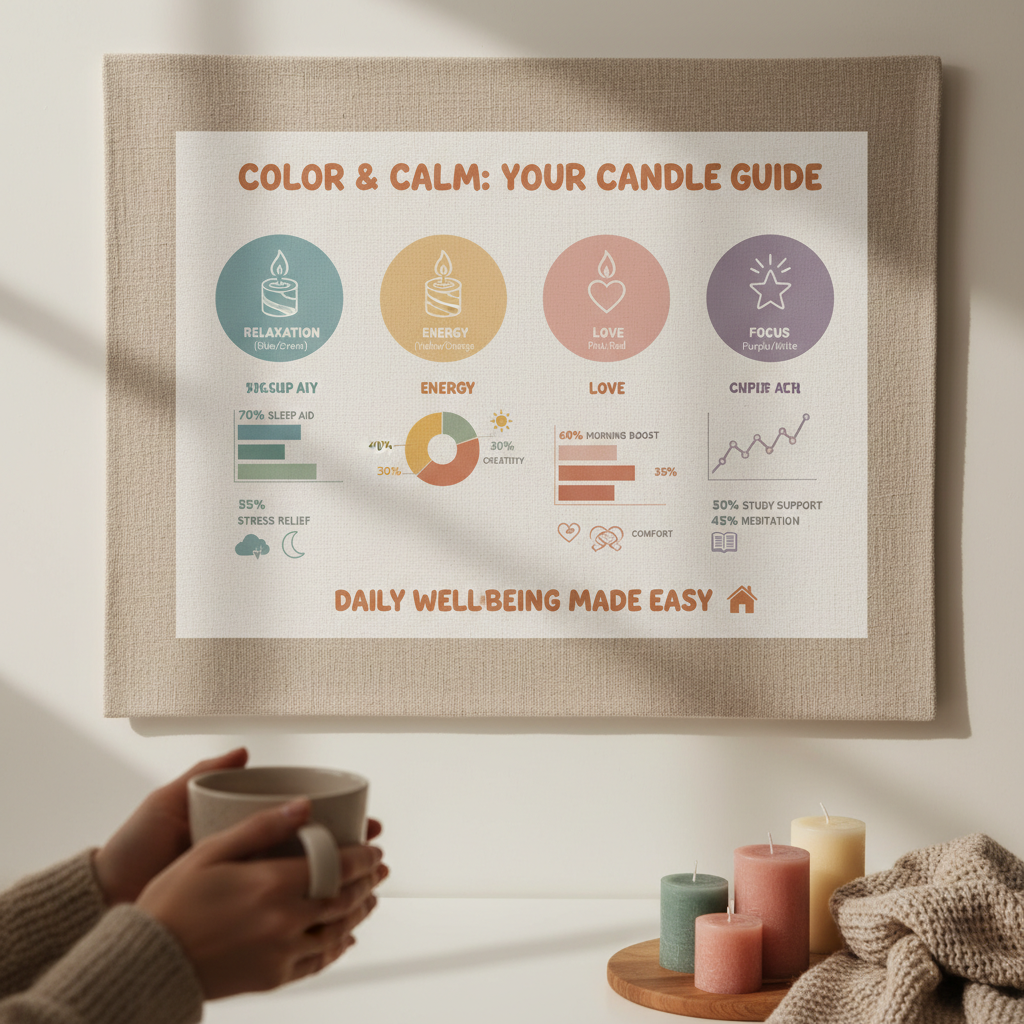
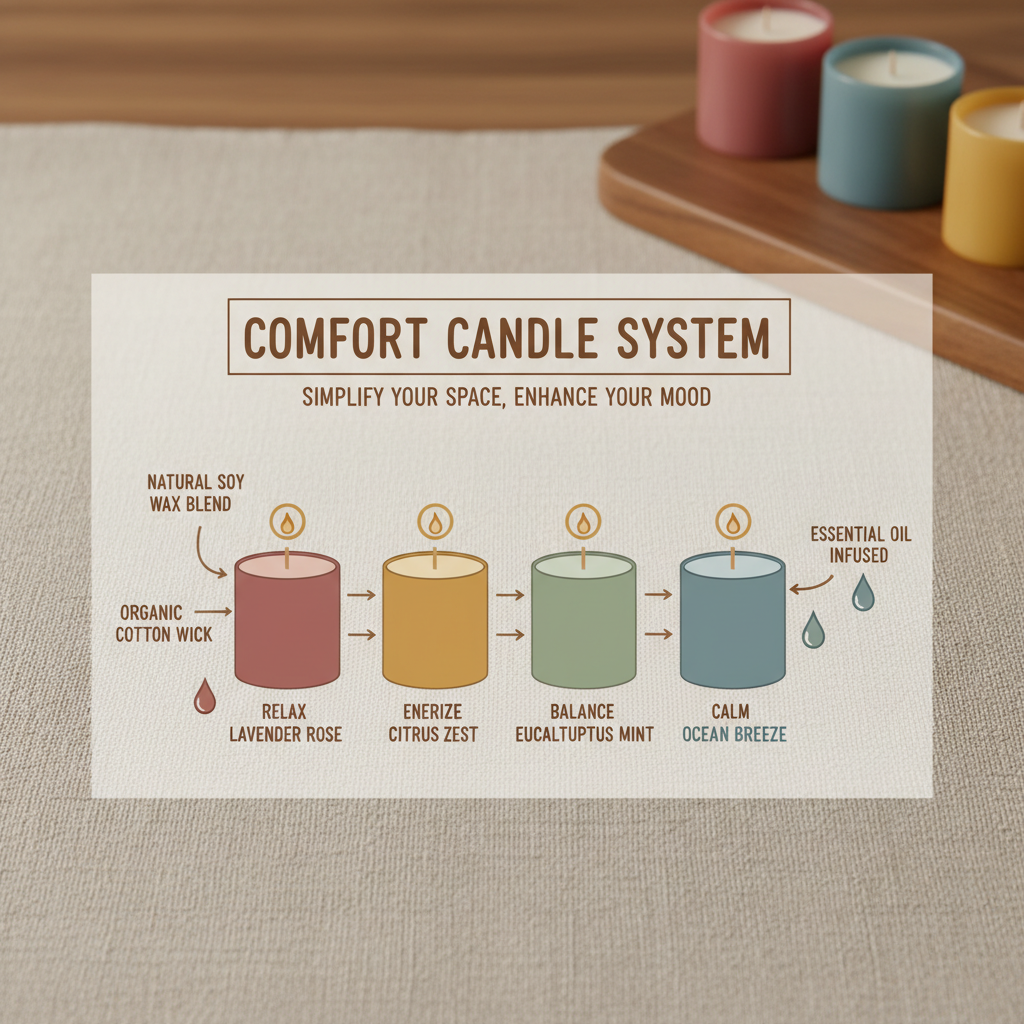
The addition of color to candles isn’t merely aesthetic; it’s a powerful means of conveying emotion, intent, and symbolism. Historically, specific colors were associated with particular deities, intentions in rituals, or even social status. Red often signified passion and courage, while blue represented peace and tranquility. This tradition continues today, with consumers consciously selecting colored candles to enhance specific moods or atmospheres.
Modern color psychology further informs these choices. The way colors are perceived can directly impact emotional states and even physiological responses. Therefore, manufacturers are increasingly focused on the quality and consistency of their colorants, ensuring that the desired effect is achieved and the candle’s intended purpose is effectively supported.
Defining Colored Candles: A Modern Perspective
Colored candles are candles that have had pigment added to their wax composition, resulting in a visible hue throughout the candle. Unlike dipped or surface-colored candles, the color is integrated within the wax matrix, ensuring a consistent shade as the candle burns. Modern colored candles utilize a variety of dyes and pigments, ranging from natural sources like plant extracts to synthetic options offering a wider spectrum of colors and improved stability.
This definition bridges the gap between traditional candle-making and contemporary production techniques. The demand for colored candles isn’t solely driven by aesthetics; it also reflects a desire for customization and personalization. Consumers are seeking candles that complement their home décor, reflect their personal style, or align with specific events and themes.
The integration of colored candles into modern industry responds to the growing demand for holistic well-being and the creation of immersive sensory experiences. They have become a staple in aromatherapy, meditation practices, and stress-relief routines, all of which benefit from the psychological impact of color.
Core Components of Quality Colored Candles
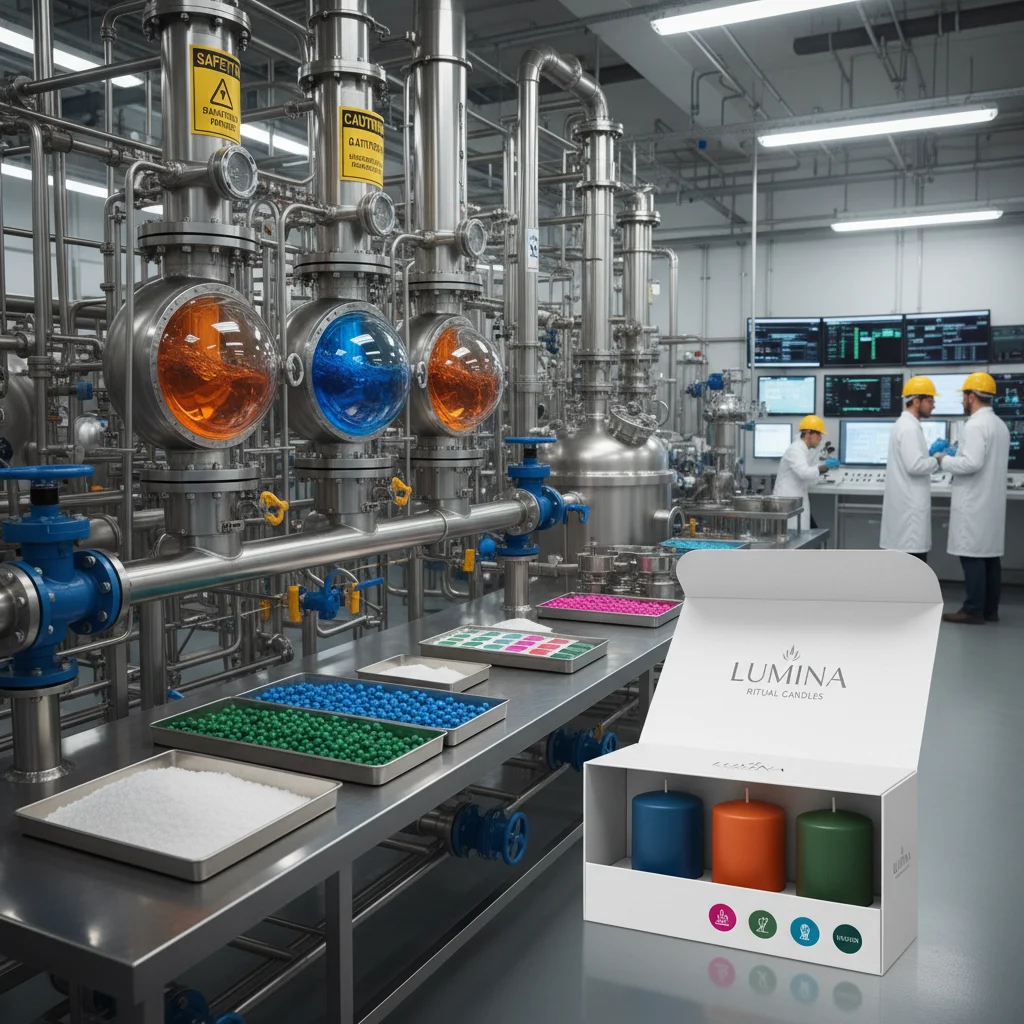
Several core components determine the quality and performance of colored candles. First, the wax itself – paraffin, soy, beeswax, or blends – influences burn time, scent throw, and overall stability. The choice of wax impacts the vibrancy and evenness of the color achieved. Second, the dye or pigment used is crucial; high-quality colorants ensure a consistent, non-fading hue and prevent clogging of the wick.
Third, the wick plays a vital role in even burning and scent diffusion. The wick size must be appropriately matched to the candle diameter and wax type. Fourth, fragrance oils, if added, must be compatible with the wax and colorants to avoid discoloration or performance issues. Finally, the container or mold material affects heat distribution and can influence the candle’s aesthetic presentation.
The interplay between these elements determines the overall quality and performance of a colored candle. A carefully formulated combination of premium ingredients results in a longer-lasting, more vibrant, and more enjoyable candle experience.
Factors Influencing Color Fastness and Vibrancy
Achieving vibrant and long-lasting color in candles requires careful consideration of several factors. The chemical composition of the dye or pigment is paramount; certain colorants are inherently more stable than others when exposed to heat and UV light. The pH level of the wax can also impact color stability, particularly with natural dyes.
Furthermore, the mixing process is critical. Thorough and even dispersion of the colorant throughout the wax ensures a consistent hue. Exposure to sunlight over extended periods can cause fading, so proper storage and packaging are essential. Lastly, the type of wax used can influence color vibrancy; some waxes accept colorants more readily than others.
Color Stability Ratings of Common Colored Candle Dyes
Global Applications and Market Segments
Colored candles find application across diverse market segments globally. The home décor sector represents a significant portion of demand, with consumers using colored candles to enhance room aesthetics and create specific moods. The gift-giving market is also substantial, with colored candles often chosen as thoughtful and personalized presents.
Advantages and Long-Term Value of Premium Colored Candles
Investing in premium colored candles offers several tangible and intangible benefits. Longer burn times and cleaner burning reduce waste and provide extended enjoyment. Superior color fastness ensures that the candle maintains its aesthetic appeal throughout its lifespan. The use of high-quality, ethically sourced ingredients promotes sustainability and responsible consumption.
Beyond the practical advantages, premium colored candles offer emotional value. They contribute to a sense of well-being, create inviting atmospheres, and enhance special occasions. The trust associated with a reputable brand reassures consumers of quality and safety.
The long-term value lies in the cumulative effect of these benefits – a superior experience, a conscious choice, and a lasting impression.
Future Trends and Sustainable Practices in Colored Candle Production
The future of colored candle production is poised for innovation, driven by sustainability and technological advancements. There is a growing trend toward natural and plant-based dyes, minimizing the environmental impact of colorants. The development of biodegradable or reusable candle containers is also gaining momentum.
Digital printing techniques are being explored to create intricate and customizable designs on candle surfaces. Automation and robotics are streamlining production processes, increasing efficiency, and reducing waste. Consumers are increasingly seeking transparency regarding ingredient sourcing and manufacturing practices, putting pressure on brands to adopt responsible supply chains.
Furthermore, the integration of smart home technology—candles that can be controlled via smartphone or voice commands—is an emerging trend, enhancing convenience and personalization.
Key Sustainability Indicators for Colored Candle Production
| Ingredient Sourcing |
Waste Reduction |
Energy Efficiency |
Packaging Materials |
| Percentage of sustainably sourced wax |
Percentage of production waste recycled |
Energy consumption per candle produced |
Percentage of recycled content in packaging |
| Ethical sourcing certifications held |
Water usage in the production process |
Use of renewable energy sources |
Biodegradability of packaging materials |
| Traceability of raw materials |
Implementation of circular economy principles |
Carbon footprint of production |
Recyclability of packaging materials |
| Fair trade certifications held |
Use of eco-friendly cleaning agents |
Waste heat recovery systems |
Minimalist packaging design |
| Supplier adherence to sustainability standards |
Composting initiatives for organic waste |
Investment in energy-efficient equipment |
Use of plant-based inks for packaging |
| Transparency in supply chain practices |
Employee training on waste reduction |
Regular energy audits |
Reusable or refillable packaging options |
FAQS
Soy wax is a renewable resource derived from soybeans, offering a cleaner burn and longer lasting fragrance compared to paraffin, which is a petroleum byproduct. However, paraffin often holds color more vibrantly. Choosing between the two depends on your priorities – sustainability versus color intensity. Soy candles are generally preferred by those seeking eco-friendly options, while paraffin offers broader color range.
To prevent fading, store your colored candles away from direct sunlight and excessive heat. Opt for candles made with high-quality, lightfast dyes. Using a UV protective spray on the candle’s surface can also help. Proper storage in a cool, dark place will significantly extend the vibrancy of the color. Also, ensure the candle is not exposed to humidity for prolonged periods.
Natural dyes can achieve beautiful, muted tones, but often lack the intensity and range of colors attainable with synthetic dyes. Synthetic dyes are formulated for superior color saturation and stability in wax. However, concerns around environmental impact are driving innovation in natural dye technology, leading to increasingly vibrant and long-lasting options made from plant extracts and minerals.
The ideal wick depends on the wax type and the dye used. For soy wax, a natural fiber wick, like cotton or paper, is often preferred. For paraffin wax, a core-wick (with a metal core) may provide a more stable flame. It's crucial to ensure the wick size is appropriate for the candle diameter to promote even burning and prevent excessive smoking, which can be affected by certain dyes.
Leftover wax can be removed by freezing the container and then gently popping it out. Recycle the container if it's glass or metal. Do not pour wax down the drain, as it can solidify and cause blockages. Dispose of wax remnants in the trash, or consider repurposing them for craft projects. Always check local recycling guidelines for specific container types.
Surface-dyed candles have color applied only to the exterior, resulting in a colored coating. Fully-dyed candles have the colorant thoroughly mixed into the wax, creating a consistent color throughout. Fully-dyed candles maintain their color as they burn, whereas surface-dyed candles lose color as the wax melts away. Fully-dyed candles are typically of higher quality and offer a more aesthetically pleasing burn.
Conclusion
From their historical roots to modern applications, colored candles represent a fascinating blend of artistry, functionality, and cultural significance. Understanding the core components that contribute to quality – wax selection, dye stability, wick performance – is crucial for both producers and consumers. Embracing sustainable practices and innovative technologies will pave the way for a future where colored candles are not only beautiful but also environmentally responsible.
The continued evolution of this industry promises exciting advancements in color palettes, scent diffusion, and candle designs. By prioritizing quality, sustainability, and a deep appreciation for the symbolism of color, we can elevate the colored candle experience to new heights, ensuring its enduring appeal for generations to come. Visit our website to explore our collection of beautifully crafted colored candles: colored candles.