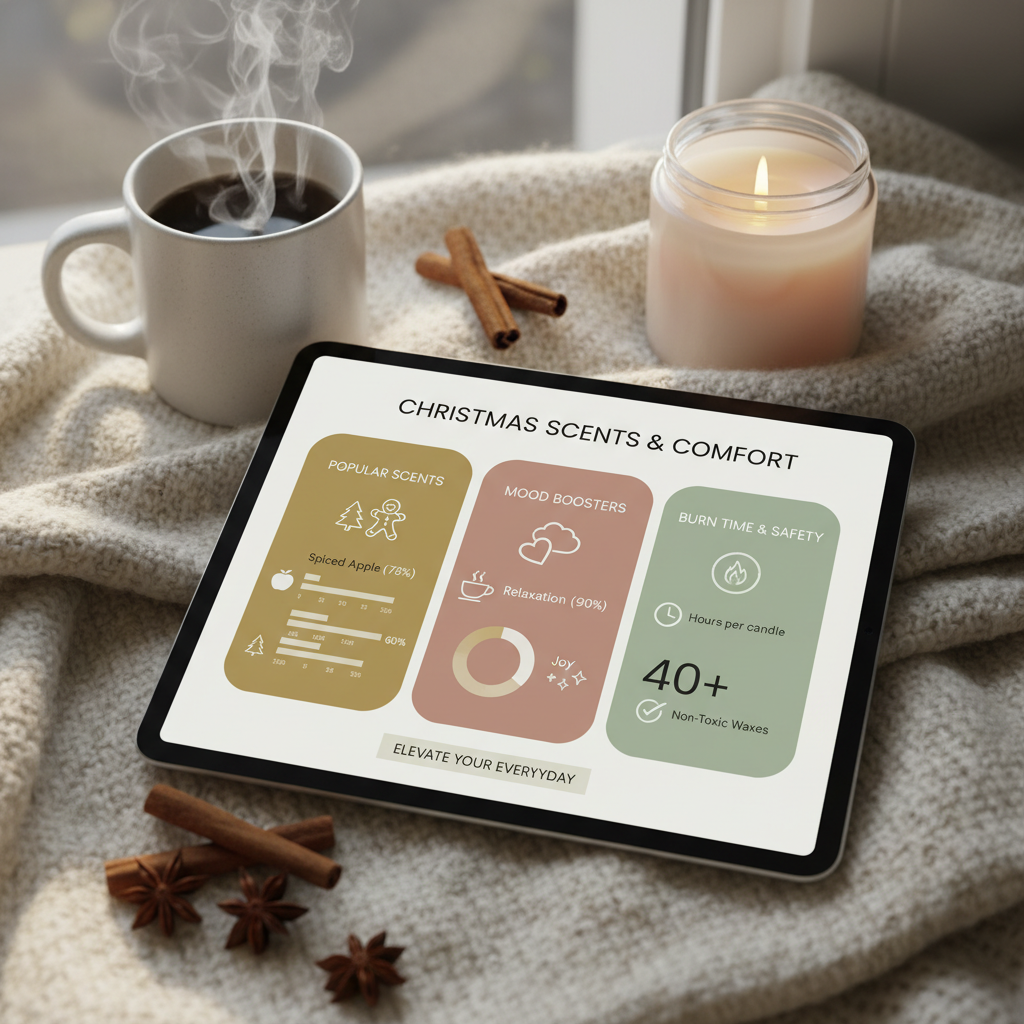
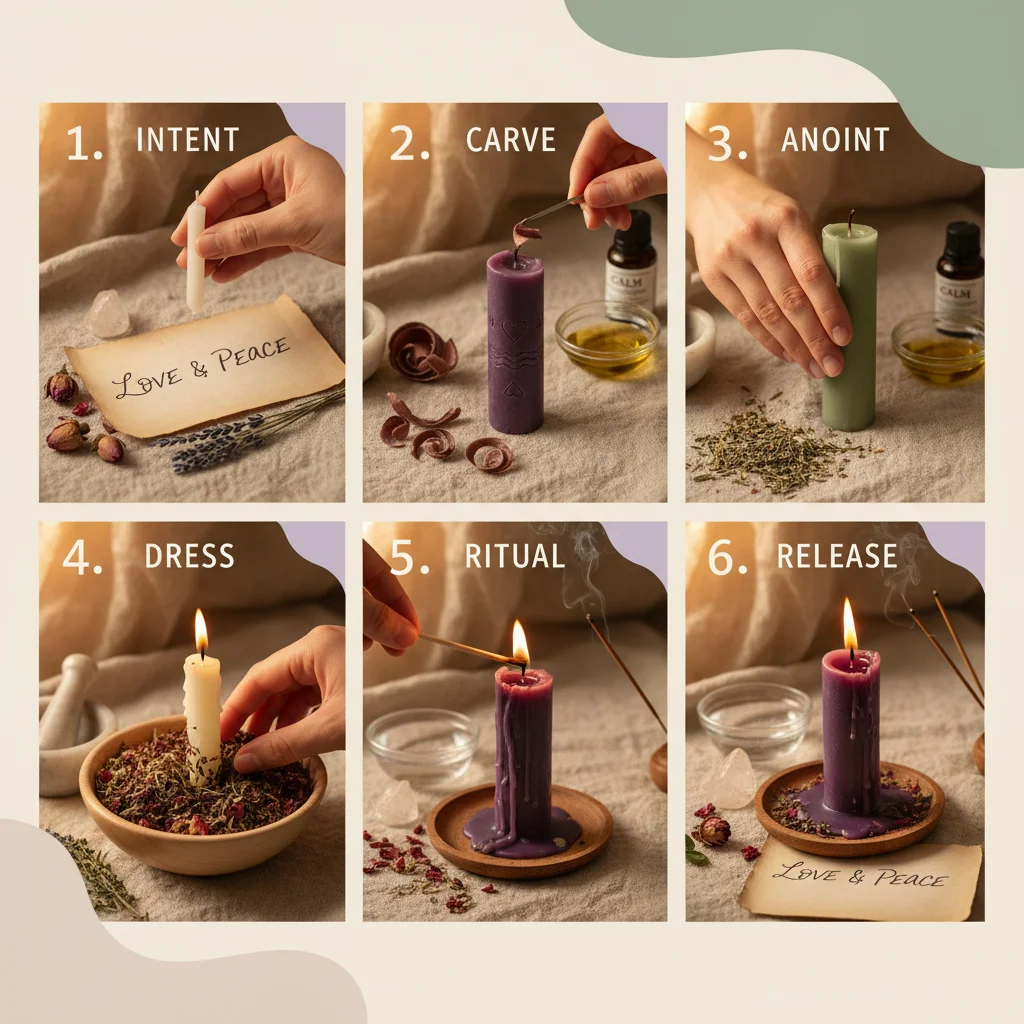
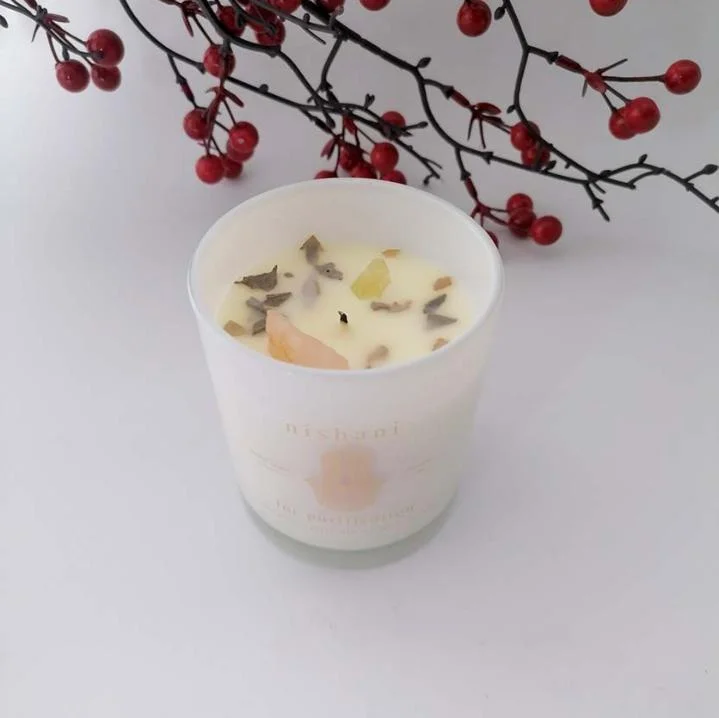
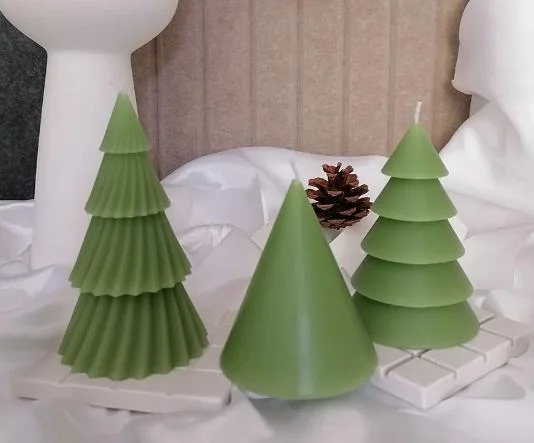
Scented candles have transcended their initial function as mere light sources, evolving into integral components of modern living, wellness, and atmospheric enhancement. Globally, the demand for these aromatic vessels continues to surge, driven by a growing appreciation for self-care, home ambiance, and the therapeutic benefits of fragrance. The Scented Candles market reflects a significant segment of the broader home fragrance industry, encompassing a diverse range of materials, scent profiles, and manufacturing techniques.
The economic impact of scented candles is substantial, supporting a complex supply chain that spans raw material sourcing (waxes, fragrances, wicks), manufacturing, packaging, distribution, and retail. Industry reports indicate consistent year-over-year growth, particularly in North America, Europe, and Asia-Pacific, fueled by increasing disposable incomes and shifting consumer preferences. The rise of e-commerce has further broadened accessibility and market reach, allowing smaller artisan producers to compete alongside established brands.
Understanding the nuances of scented candle production, the science behind fragrance diffusion, and the impact of various materials on burn quality and scent throw is crucial for both consumers seeking optimal experiences and businesses aiming to innovate within this dynamic market. The increasing focus on sustainability and ethical sourcing also presents both challenges and opportunities for the future of the industry.
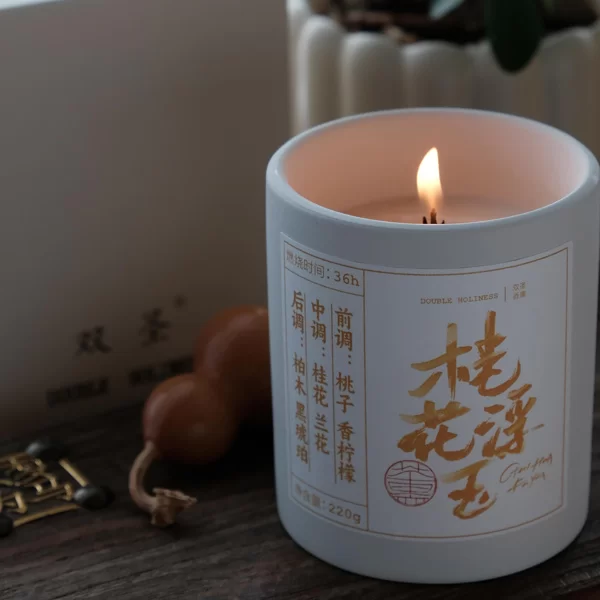
The Global Relevance of Scented Candles
The global scented candle market is estimated to be worth billions of dollars, demonstrating its widespread appeal and economic significance. According to market research reports, the industry is projected to continue its growth trajectory, driven by factors like increasing disposable incomes, rising demand for home décor products, and a growing awareness of aromatherapy benefits. This demand isn’t localized; it spans across continents, with significant markets in North America, Europe, and the Asia-Pacific region. Scented Candles are becoming a staple in many households.
However, challenges exist. The industry faces increasing scrutiny regarding the environmental impact of candle production, particularly concerning wax sources (paraffin vs. natural waxes), fragrance ingredients, and packaging materials. A core problem lies in the need for sustainable and ethical practices throughout the entire supply chain – from raw material sourcing to final product disposal – to align with growing consumer demand for eco-conscious products.
Defining Scented Candles
Scented candles are fundamentally candles that release fragrance during burning, enhancing the ambiance of a space. They consist of wax (typically paraffin, soy, beeswax, or a blend) embedded with fragrance oils. The wick draws the melted wax upwards to fuel the flame, and as the wax melts, the fragrance is diffused into the air. The quality of the wax, the concentration of the fragrance oil, and the type of wick all play critical roles in determining the candle's burn time, scent throw (the distance the fragrance travels), and overall performance.
In modern industry, Scented Candles are not merely decorative items. They've become a significant component of the wellness industry, utilized for aromatherapy, stress reduction, and mood enhancement. They also play a role in creating specific atmospheres for events, hospitality settings, and retail spaces. Their connection extends beyond personal use to influencing purchasing behaviors and emotional responses within commercial environments.
The manufacturing process has also evolved, with a shift towards more sustainable and artisanal techniques. The demand for natural waxes and ethically sourced fragrances is driving innovation and challenging traditional production methods, forcing companies to prioritize environmental responsibility and transparency.
Key Components of Scented Candles
The foundation of any scented candle lies in its wax. Paraffin wax, historically the most common choice due to its affordability, is now facing competition from natural alternatives like soy wax, beeswax, and coconut wax. Each wax type possesses unique characteristics influencing burn time, scent throw, and environmental impact. Soy wax, for example, is biodegradable and burns cleaner than paraffin, while beeswax offers a naturally subtle scent and extended burn duration.
Fragrance oils are the heart of a scented candle, determining its aromatic profile. These oils can be natural essential oils, synthetic fragrance compounds, or a blend of both. The quality and concentration of the fragrance oil significantly affect the candle’s scent throw and longevity. The proper ratio between wax and fragrance oil is critical – too little fragrance results in a weak scent, while too much can hinder proper burning.
The wick acts as the fuel delivery system, drawing melted wax to the flame. Wick material, size, and construction are crucial for achieving a clean, even burn. Cotton wicks are common, but wood wicks are gaining popularity for their crackling sound and unique aesthetic appeal. Selecting the appropriate wick size is essential to prevent tunneling (where wax remains unmelted around the edges) or excessive smoking.
Applications and Use Cases
The applications of scented candles are incredibly diverse. In residential settings, they're primarily used to create a relaxing atmosphere, mask odors, and enhance home décor. Specific scents are often chosen to evoke particular moods – lavender for relaxation, citrus for invigoration, and vanilla for warmth. Scented Candles have become a go-to for creating a 'hygge' environment focused on coziness and wellbeing.
Beyond homes, scented candles are widely used in the hospitality industry, particularly in hotels and spas, to create a welcoming and luxurious ambiance. Retail stores utilize scent marketing – strategically deploying fragrances to influence customer behavior and enhance the shopping experience. Event planners often incorporate scented candles into weddings, parties, and corporate events to create a specific mood and atmosphere.
Scented Candle Market Share by Wax Type
Advantages and Long-Term Value
The advantages of incorporating Scented Candles into daily life are multifaceted. From a psychological perspective, specific fragrances can trigger positive emotions, reduce stress, and promote relaxation. The aesthetic appeal of candles themselves adds a touch of elegance and warmth to any space. Furthermore, the relatively low cost of entry makes them accessible to a wide range of consumers.
Long-term value extends beyond immediate gratification. Supporting businesses that prioritize sustainable wax sources and ethical fragrance sourcing contributes to a more responsible industry. The increasing demand for natural and eco-friendly products reinforces the importance of making informed consumer choices. Investing in high-quality candles ensures a longer burn time and a more consistent fragrance experience.
Future Trends & Innovations
The future of scented candles is poised for innovation. We're seeing a growing trend towards smart candles, incorporating features like Bluetooth connectivity, adjustable flame intensity, and scheduled scent diffusion. The development of biodegradable and compostable candle containers is also gaining momentum, addressing concerns about plastic waste.
Biotechnology is playing a role in creating novel fragrance compounds, offering unique and complex scent profiles. The focus on personalization will likely lead to customized candle creation services, allowing consumers to blend their own fragrances and select their preferred wax and container options.
Challenges and Solutions
One of the main challenges facing the scented candle industry is the environmental impact of paraffin wax, a petroleum byproduct. The solution lies in transitioning to sustainable alternatives like soy wax, beeswax, and coconut wax, though these can be more expensive. Another challenge is the release of volatile organic compounds (VOCs) from synthetic fragrance oils, which can contribute to indoor air pollution.
Addressing this requires utilizing natural essential oils or developing synthetic fragrances with lower VOC emissions. Furthermore, improving packaging materials to reduce waste and promote recyclability is crucial. Transparency in ingredient sourcing and manufacturing processes is also essential for building consumer trust and promoting ethical practices within the industry. Scented Candles will benefit from these changes.
Finally, ensuring consistent quality control and standardized testing for fragrance oils and waxes is vital for maintaining product safety and performance. Collaboration between industry stakeholders, researchers, and regulatory bodies is necessary to address these challenges effectively.
Core Components of Scented Candle Quality Control
| Wax Composition | Fragrance Load | Wick Performance | Burn Rate Consistency |
|---|
| Soy Wax Blend (80% Soy, 20% Coconut) | 8% Fragrance Oil Concentration | Clean Burn, Minimal Soot | 2.5-3.0 cm/hour |
| Paraffin Wax (High Grade) | 6% Fragrance Oil Concentration | Moderate Soot, Consistent Flame | 3.0-3.5 cm/hour |
| Beeswax (100% Pure) | 10% Fragrance Oil Concentration | Long Burn Time, Natural Aroma | 2.0-2.5 cm/hour |
| Coconut Wax (100% Pure) | 12% Fragrance Oil Concentration | Excellent Scent Throw, Clean Burn | 2.8-3.3 cm/hour |
| Soy/Paraffin Blend (60/40) | 7% Fragrance Oil Concentration | Balanced Performance, Affordable | 2.7-3.2 cm/hour |
| Palm Wax (Sustainable Source) | 9% Fragrance Oil Concentration | Unique Crystal Patterns, Strong Scent | 2.6-3.1 cm/hour |
FAQS
Paraffin is a petroleum byproduct, offering affordability but potentially releasing soot. Soy wax is plant-based, burns cleaner, and offers a good scent throw. Beeswax is a natural wax with a subtle honey scent, a long burn time, and is considered the most eco-friendly option. Choosing the right wax depends on your priorities – cost, sustainability, or scent intensity.
To maximize burn time, always trim the wick to 1/4 inch before each use. Allow the candle to burn long enough for the wax to melt completely across the surface on the first burn (this prevents tunneling). Avoid burning the candle for more than 4 hours at a time, and keep it away from drafts to ensure a consistent flame.
The safety of synthetic fragrance oils is a complex topic. While many are considered safe, some may contain allergens or VOCs. Look for candles made with phthalate-free fragrance oils and opt for natural essential oils whenever possible. Proper ventilation is always recommended when burning any scented candle.
Wick size is crucial for a proper burn. A wick that’s too small will cause tunneling, while a wick that’s too large will create excessive soot and a large flame. Wick size depends on the diameter of the candle and the type of wax used. Manufacturers typically recommend specific wick sizes for their candles; consult their guidelines or conduct a burn test.
Essential oils offer natural therapeutic benefits beyond just fragrance. Lavender can promote relaxation, citrus oils can boost energy, and eucalyptus can help clear airways. However, essential oils can be more expensive and may not have as strong a scent throw as synthetic fragrance oils. They also require careful blending to ensure compatibility with the wax.
Store your scented candles in a cool, dark, and dry place away from direct sunlight and heat. Keep them in their original containers with the lids tightly sealed to prevent the fragrance from evaporating. Avoid storing them in areas with strong odors, as they can absorb those scents over time.
Conclusion
In conclusion, scented candles represent more than just a source of light and fragrance; they are a cornerstone of modern wellbeing, home ambiance, and a thriving global industry. From the careful selection of waxes and fragrances to the innovative technologies shaping their future, Scented Candles continue to evolve and adapt to consumer needs and environmental concerns. Understanding the core principles of candle production, usage, and sustainability is key to maximizing their benefits and minimizing their impact.
Looking ahead, the industry must prioritize ethical sourcing, sustainable materials, and transparent manufacturing practices to meet the growing demand for eco-conscious products. By embracing innovation and prioritizing consumer wellbeing, the scented candle market can continue to flourish, enriching our lives with the simple pleasures of fragrance and ambiance. Visit our website at www.seawellcandle.com to explore our collection of premium scented candles.