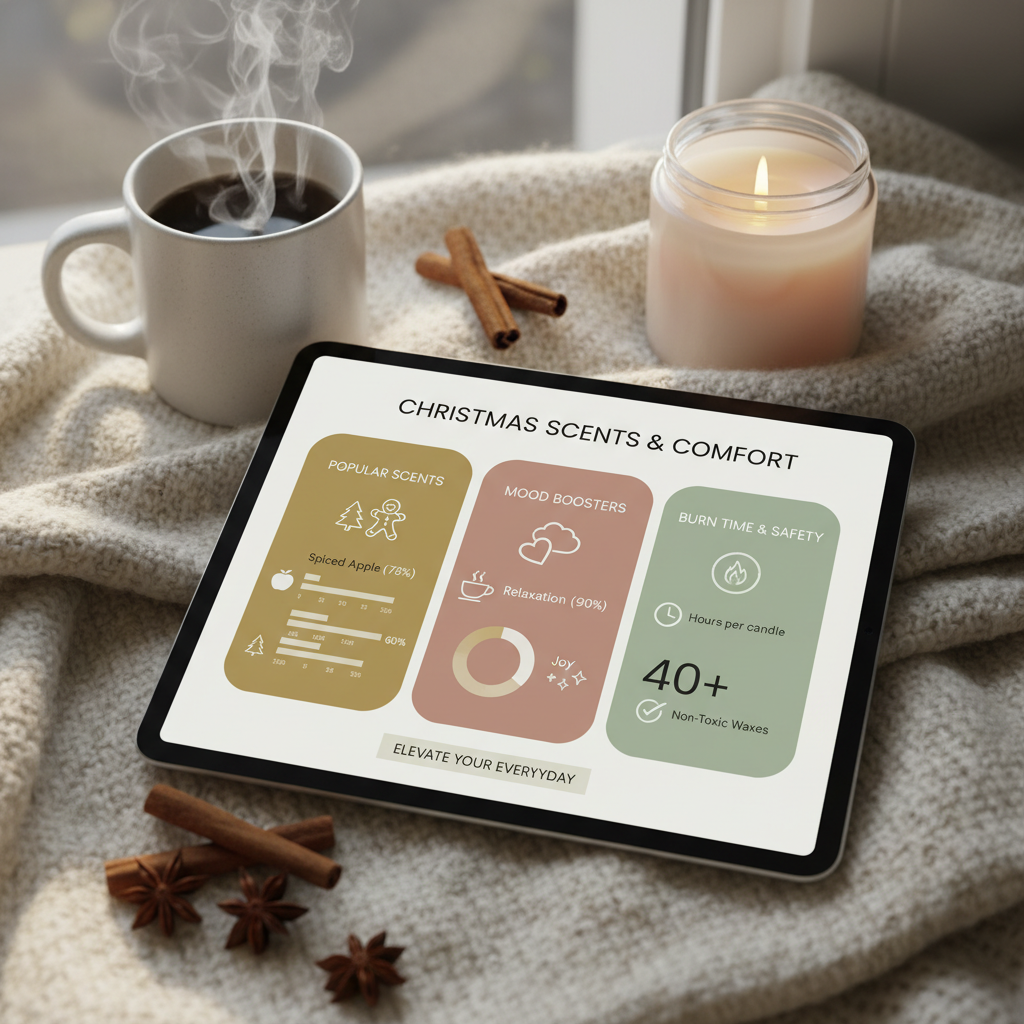
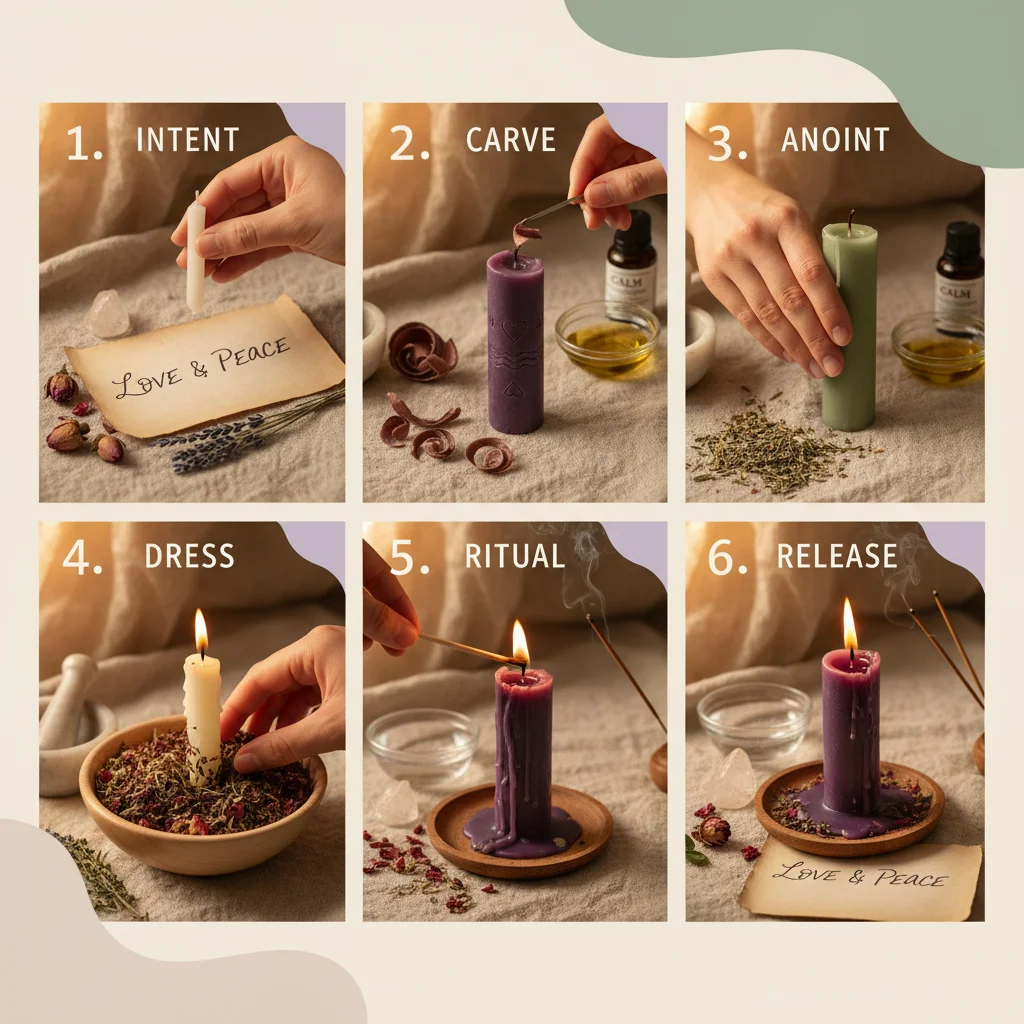
Candles have illuminated human history for millennia, evolving from simple sources of light to symbols of ambiance, celebration, and even spiritual practice. Their global relevance is undeniable, with a market reaching billions of dollars annually and a presence in nearly every culture. From the intricate hand-poured artisanal creations to mass-produced wax pillars, candles fulfill a fundamental need for illumination and evoke powerful emotional responses. Understanding the nuances of candle production, materials, and applications is crucial for both consumers and industry professionals alike.
The candle industry is a dynamic one, shaped by evolving consumer preferences, technological advancements, and a growing emphasis on sustainability. Driven by demand for home fragrance, aromatherapy, and decorative items, the market is continuously innovating. The standardization of candle quality, safety regulations, and the exploration of eco-friendly materials are critical challenges the industry faces. ISO standards, for example, play a role in ensuring quality control in manufacturing processes.
This exploration of candles delves into their multifaceted nature, covering their composition, applications, future trends, and the challenges that define this enduring product. We’ll examine the essential elements that contribute to a quality candle and the innovations that are shaping its future. The enduring popularity of candles is a testament to their simple yet powerful ability to enhance our lives.
The Essence of Candles
At their most fundamental, candles are a source of light and warmth, created through the burning of a wax fuel with an embedded wick. However, candles represent far more than basic illumination. They embody ambiance, memory, and even ritual. The scent, the flame's dance, and the very act of lighting a candle can be deeply evocative, contributing to relaxation, celebration, or spiritual practice.
The creation of a quality candle involves a delicate balance of wax, wick, and fragrance. Different wax types—paraffin, soy, beeswax, and more—each impart unique burn characteristics and scent throw. The wick's material and size are crucial for regulating the flame and preventing soot. Ultimately, a well-crafted candle is a testament to both artistry and scientific precision.
Historical and Global Context of Candles
The history of candles stretches back thousands of years, with evidence of early forms dating back to ancient Egypt and Rome. Initially made from tallow or beeswax, candles were a luxury item, primarily accessible to the wealthy. Over time, advancements in wax production, particularly the refinement of paraffin wax in the 19th century, made candles more affordable and widespread. Today, Candles are ubiquitous across cultures.
Globally, candle consumption varies significantly. North America and Europe represent major markets, driven by a strong tradition of home fragrance and decorative candle use. However, demand is also rising in Asia-Pacific and Latin America, spurred by increasing disposable incomes and a growing appreciation for aromatherapy and wellness. The United Nations Sustainable Development Goals increasingly impact production methods, pushing for environmentally friendly options.
The modern candle industry is a multi-billion dollar market, continually adapting to consumer trends and sustainability concerns. While the basic principle remains unchanged—a combustible wick drawing fuel from a wax source—the creativity and innovation within the industry ensure candles remain relevant and desirable in a world of modern lighting alternatives.
Defining Candles: Composition and Types
A candle is fundamentally composed of wax, a wick, and often, a fragrance oil. The wax provides the fuel for the flame, while the wick draws the molten wax upward through capillary action. The fragrance oil, when present, is released upon heating, creating the candle's scent. However, the specific composition and types of candles are incredibly diverse.
Wax types are a primary differentiator. Paraffin wax, derived from petroleum, is the most common and affordable option. Soy wax, a vegetable-based alternative, is popular for its clean burn and eco-friendliness. Beeswax, a natural wax produced by bees, offers a subtle honey scent and long burn time. Other waxes, like coconut wax and palm wax, are gaining popularity due to their sustainability and performance characteristics.
Candle types also vary widely, including container candles (poured into jars or tins), pillar candles (free-standing), votive candles (small, partially consumed by the flame), taper candles (tall and slender), and tea light candles (small, in metal or plastic cups). Each type serves a different purpose and aesthetic, catering to diverse consumer preferences.
Core Components of Candle Quality
Several factors contribute to the overall quality of a candle, influencing its burn performance, scent throw, and safety. These components are crucial for both manufacturers and consumers to consider.
Firstly, the wax quality is paramount. Impurities in the wax can lead to soot, uneven burning, and reduced scent throw. Secondly, the wick’s composition and size are critical. A wick that is too small will not create a sufficient melt pool, while a wick that is too large will produce excessive smoke and a rapid burn.
Candle Quality Assessment by Component
Global Applications and Candle Use Cases
Candles are employed in a surprisingly diverse range of applications, extending far beyond simple illumination. In religious ceremonies across many faiths, candles symbolize faith, hope, and remembrance. They are integral to festivals and celebrations globally, marking special occasions with their light and warmth.
Beyond ceremonial uses, Candles play a significant role in aromatherapy, with scented candles used to create relaxing and therapeutic environments. The hospitality industry relies on candles to enhance ambiance in restaurants, hotels, and spas. In post-disaster relief operations, candles can provide a vital source of light when electricity is unavailable.
Advantages and Long-Term Value of Candles
The enduring appeal of candles stems from a unique combination of tangible and intangible benefits. Cost-effectively, candles offer a relatively inexpensive way to create ambiance and provide a comforting atmosphere. Scented candles, in particular, offer a cost-effective alternative to expensive diffusers or room sprays.
From a psychological standpoint, the soft glow of a candle flame is inherently calming and can reduce stress levels. The scent of a candle can evoke powerful memories and emotions, enhancing the overall experience. Ethically sourced beeswax candles also support beekeeping and sustainable agriculture.
The long-term value of candles lies in their versatility and enduring symbolism. They are timeless decorations, can be personalized for gifting, and have proven resilience as a source of comfort and light throughout history, ensuring continued demand.
Future Trends and Innovations in Candles
The candle industry is not static; it's embracing innovation and adapting to evolving consumer demands. A significant trend is the development of sustainable waxes, like those derived from algae or recycled materials, reducing reliance on petroleum-based paraffin. The increasing adoption of digital technologies is also impacting the industry.
"Smart candles" incorporating LED lights and timers are gaining traction, offering a safer and more convenient alternative to traditional flame-based candles. Another emerging trend is the incorporation of essential oil blends designed for specific therapeutic benefits, reflecting a growing consumer interest in wellness.
Automation in candle production, including robotic pouring and labeling systems, is improving efficiency and reducing costs. The push for greater transparency in sourcing and manufacturing practices will likely shape future regulations and consumer preferences.
Overview of Candle Innovation Assessment
| Innovation Category |
Implementation Cost |
Market Demand |
Sustainability Impact |
| Sustainable Wax Alternatives |
Medium |
High |
Very Positive |
| Smart Candle Technology |
High |
Medium |
Neutral |
| Automated Production Lines |
Very High |
Medium |
Slightly Negative |
| Therapeutic Essential Oil Blends |
Low |
High |
Positive |
| Biodegradable Packaging |
Low |
Medium |
Very Positive |
| Customizable Scent Profiles |
Medium |
High |
Neutral |
FAQS
When seeking eco-friendly candle waxes, soy wax, beeswax, and coconut wax are excellent choices. Soy wax is derived from soybeans, a renewable resource, and burns cleaner than paraffin wax. Beeswax is a natural wax produced by bees, offering a sustainable and non-toxic option. Coconut wax, another renewable resource, boasts a slow burn and excellent scent throw. Avoid paraffin wax, which is a petroleum byproduct, when prioritizing environmental sustainability.
To achieve a clean and even burn, always trim the wick to ¼ inch before each lighting. This prevents mushrooming and excessive soot. Allow the wax to melt completely across the surface of the candle on the first burn, creating a full "melt pool." This prevents tunneling and ensures an even burn throughout the candle’s lifespan. Avoid burning candles for extended periods (more than 4 hours at a time) to maintain optimal burn quality.
Scented candles can potentially trigger allergies or sensitivities in some individuals. Look for candles made with natural essential oils rather than synthetic fragrances, as synthetic fragrances are more likely to cause reactions. Ensure the candle is well-ventilated while burning, and consider un-scented options if you have severe allergies. Always check the ingredient list for potential allergens.
Proper storage is crucial for preserving candle scent and quality. Store candles in a cool, dark, and dry place away from direct sunlight and heat. This prevents the wax from melting or discoloring and helps retain the fragrance. Keep candles tightly sealed in their original packaging or an airtight container when not in use. Avoid storing candles in areas with strong odors, as they can absorb scents from the environment.
The safest way to extinguish a candle is to use a candle snuffer. This prevents hot wax from splattering and minimizes smoke. Avoid blowing out a candle, as this can cause the wick to smolder and produce smoke. If you don’t have a snuffer, you can gently dip the wick into the molten wax, then straighten it. Ensure the flame is completely extinguished before leaving the candle unattended.
Wick materials significantly impact burn quality. Cotton wicks are the most common and are suitable for most waxes. Wooden wicks offer a crackling sound and unique aesthetic, often preferred with soy wax. Core wicks, which have a metal or paper core, provide rigidity but can sometimes produce more soot. The appropriate wick size and material depend on the diameter of the candle and the type of wax used – choosing the right wick ensures a consistent, clean burn without excessive smoke.
Conclusion
Candles, spanning millennia of human history, remain profoundly relevant. From their practical origins as a source of light to their contemporary roles in ambiance, aromatherapy, and ritual, candles consistently demonstrate their versatility and enduring appeal. Their composition, from wax selection to wick design, critically impacts their quality and performance. Furthermore, the industry's evolution towards sustainability and innovation is reshaping the future of candles, offering consumers more eco-friendly and technologically advanced options.
Looking ahead, continued advancements in sustainable materials and smart technologies will further enhance the candle experience. Consumers are increasingly seeking products that align with their values, and the candle industry is responding with a commitment to ethical sourcing, eco-friendly practices, and personalized options. To explore the world of exquisite candles, and discover how they can transform your space, visit our website today: Candles.