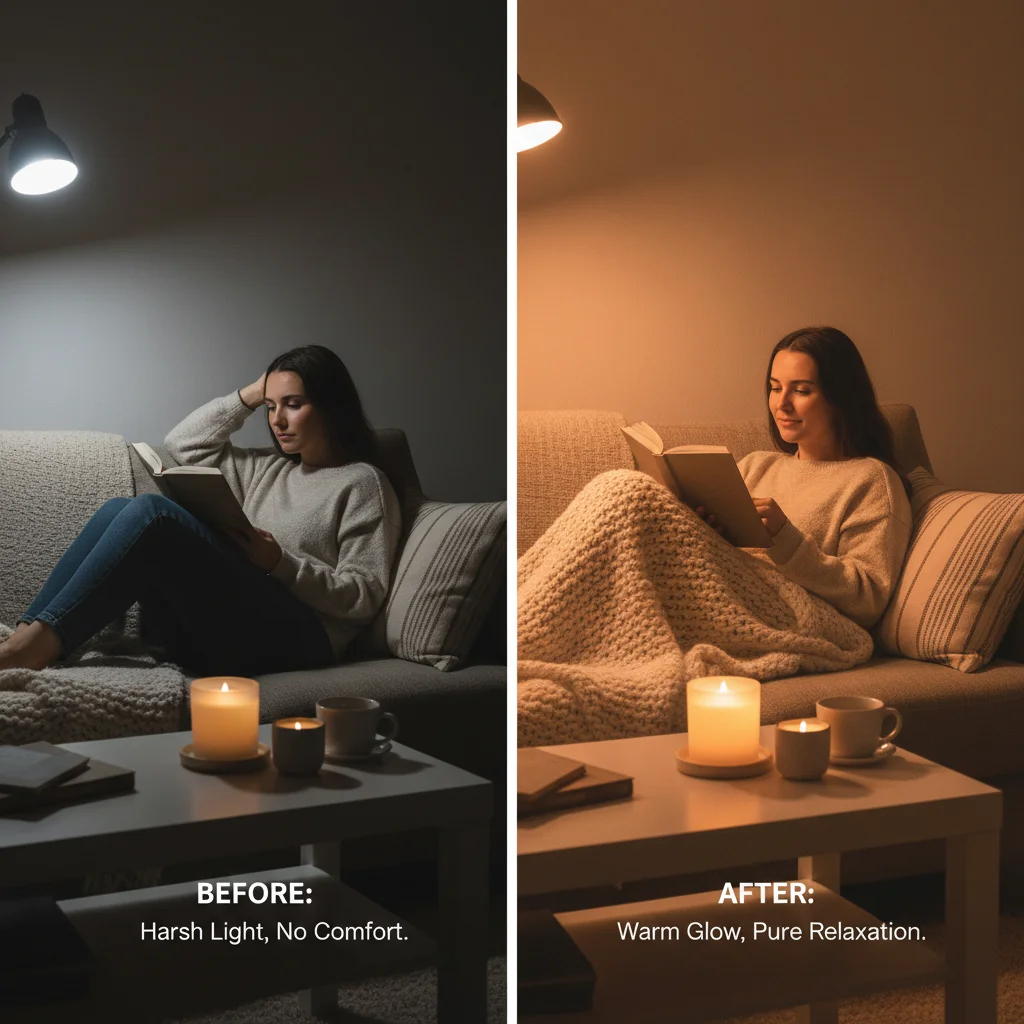
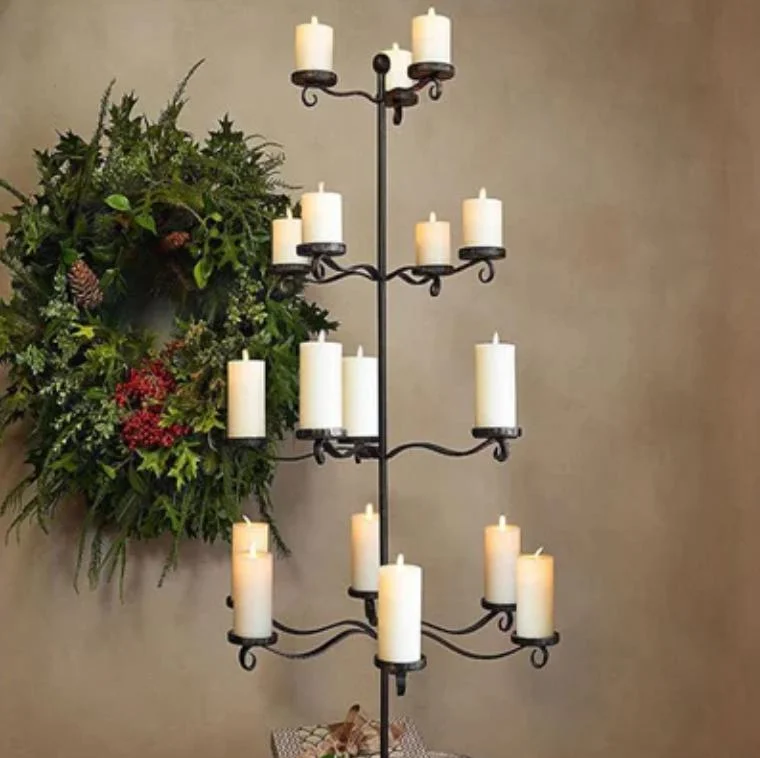
Red candles have captivated humanity for centuries, extending far beyond mere illumination. From ancient rituals and religious ceremonies to modern-day ambiance and aromatherapy, the symbolic and practical use of red candles is globally recognized. They represent passion, energy, and courage in many cultures, while also offering a comforting glow during power outages or simply creating a warm and inviting atmosphere. The demand for high-quality, ethically sourced red candles is steadily increasing as consumers prioritize mindful consumption and self-care.
The global candle market is a multi-billion dollar industry, with a significant portion attributed to colored candles like red. According to market research reports, the demand for scented candles, particularly those in rich hues like red, has experienced a consistent growth rate of around 4-5% annually. This growth is fueled by increasing disposable incomes, a rising emphasis on home décor, and the therapeutic benefits associated with aromatherapy and creating a relaxing environment. Understanding the nuances of red candle production, from wax selection to dye quality, is crucial for manufacturers aiming to capitalize on this expanding market.
The production and consumption of red candles touches upon important aspects of sustainable manufacturing, responsible sourcing of materials (like beeswax and paraffin), and the growing demand for eco-friendly packaging. Addressing challenges related to soot emissions, fragrance allergies, and the carbon footprint of production processes is paramount. Ultimately, the future of the red candle industry lies in innovation, sustainability, and a commitment to delivering products that enhance well-being.
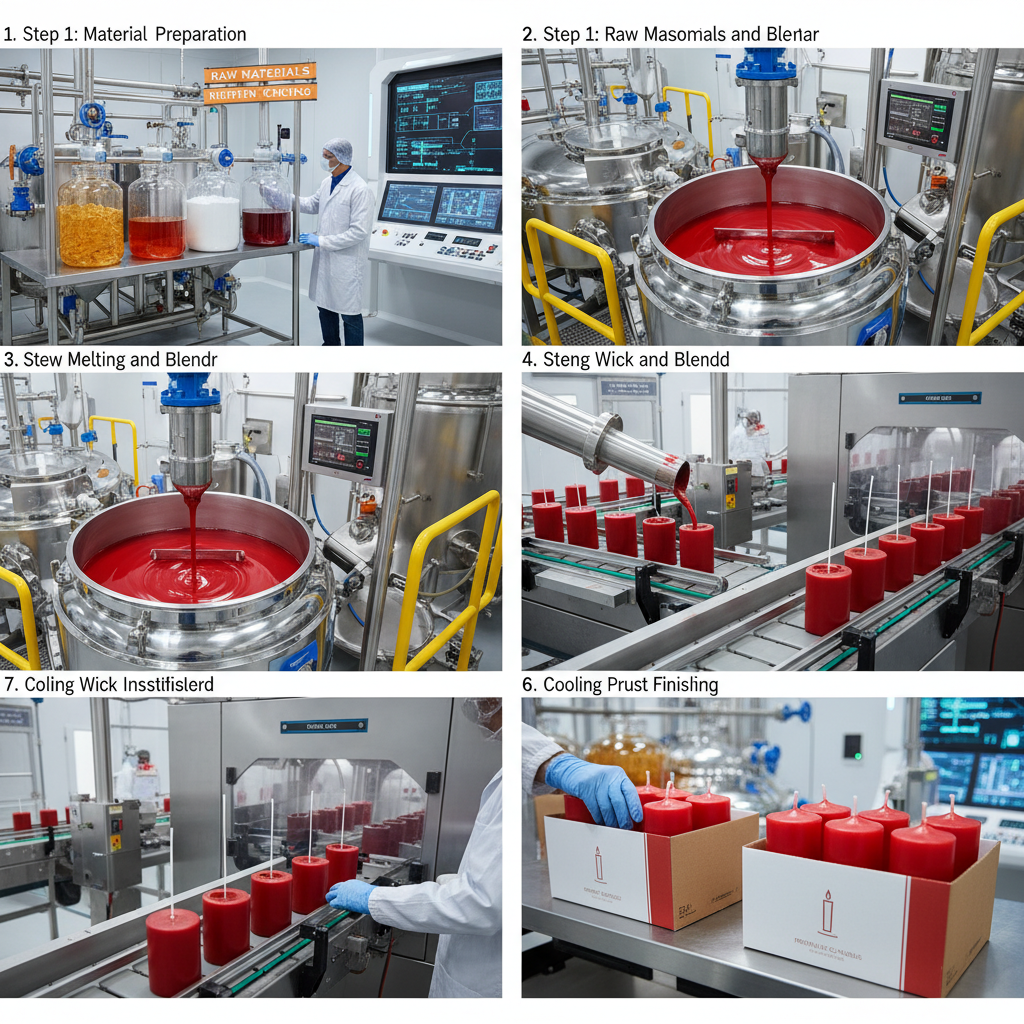
The Significance of Red Candles Throughout History
Throughout history, red candles have held deep symbolic meaning across diverse cultures. In ancient Rome, red candles were often used in religious ceremonies dedicated to Mars, the god of war, representing courage and vitality. Similarly, in many Eastern traditions, red symbolizes good fortune, happiness, and prosperity, making red candles essential during celebrations and auspicious occasions. The association of red with passion and love also extends to modern romantic settings, where red candles create an intimate and alluring ambiance.
The use of colored waxes, including red, wasn’t always readily available. Early candle makers relied on natural dyes derived from plants and minerals. The development of synthetic dyes in the 19th century allowed for more vibrant and consistent colors, significantly expanding the aesthetic possibilities of candles and driving their increasing popularity as decorative items. Today, red candles continue to evoke strong emotional responses, blending historical symbolism with contemporary design.
Defining Red Candles: Composition and Varieties
Red candles, at their core, consist of a wax base, a wick, and a coloring agent. The wax can vary significantly, ranging from traditional paraffin wax to natural options like beeswax, soy wax, or palm wax. Paraffin wax, a byproduct of petroleum refining, is the most commonly used due to its affordability and ability to hold fragrance well. Beeswax offers a natural, honey-scented option with a longer burn time, while soy wax is a renewable, biodegradable alternative. The red color is typically achieved through the addition of synthetic dyes, although some manufacturers utilize natural pigments for a more eco-friendly approach.
The variety of red candles available is extensive. Pillar candles, with their sturdy, freestanding form, are popular for decorative displays. Tapered candles, known for their elegant and slender shape, are often used in formal dining settings. Container candles, housed in glass jars or tin vessels, provide a safe and convenient way to enjoy scented red candles. Furthermore, specialized red candles, such as those shaped for specific holidays or occasions, cater to diverse consumer preferences.
The quality of the wick is also critical. Wicks are typically made from cotton or a cotton-synthetic blend and must be appropriately sized for the diameter of the candle to ensure a clean, even burn. A poorly sized wick can result in excessive smoking, dripping wax, or incomplete combustion.
Key Components Influencing Red Candle Quality
Several key components profoundly influence the quality and performance of red candles. First, the wax type directly impacts burn time, scent throw (the intensity of the fragrance released), and overall candle stability. Natural waxes like beeswax tend to burn longer and cleaner than paraffin wax, but they can be more expensive. Second, the quality of the dye is crucial for achieving a vibrant, consistent red hue without affecting the candle’s burn characteristics. Low-quality dyes can clog the wick or produce soot.
The wick material and size are also paramount. As mentioned previously, the wick must be properly sized to ensure complete combustion and prevent unwanted smoking. The fragrance load, or the percentage of fragrance oil added to the wax, affects the intensity and longevity of the scent. An excessive fragrance load can hinder the candle's ability to burn properly, while an insufficient load may result in a weak scent throw. Finally, the overall manufacturing process, including the mixing of ingredients and pouring of the candle, plays a vital role in determining the final product’s quality.
The container, if applicable, also impacts the candle's performance. Glass containers must be heat-resistant to prevent cracking or shattering. Tin containers offer a lightweight and portable option but may retain some heat, potentially affecting the scent throw. Choosing the right combination of these components is essential for creating a high-quality red candle that meets consumer expectations.
Global Applications and Use Cases for Red Candles
The applications of red candles extend far beyond mere home décor. They are integral to various cultural and religious practices worldwide. In numerous Christian denominations, red candles symbolize the blood of Christ and are often used during Pentecost and feasts of martyrs. In Hinduism, red is considered an auspicious color, and red candles are frequently employed during weddings and other sacred ceremonies. The vibrant color also makes red candles popular for themed events, parties, and romantic settings.
Industries such as hospitality utilize red candles to create a welcoming and luxurious ambiance in hotels, restaurants, and spas. The aromatherapy benefits of scented red candles are also leveraged in wellness centers and massage studios. Furthermore, red candles are increasingly used in meditation and yoga practices to promote relaxation and mindfulness. In regions prone to power outages, red candles remain a practical source of light during emergencies.
Globally, the demand for red candles is particularly strong in Europe and North America, driven by a combination of cultural traditions, aesthetic preferences, and a growing interest in aromatherapy and wellness. Emerging markets in Asia-Pacific, such as China and India, are also witnessing a surge in demand due to rising disposable incomes and changing lifestyle patterns.
Red Candle Production Methods: Efficiency Ratings
Advantages of Using High-Quality Red Candles
Opting for high-quality red candles provides a multitude of benefits. From a sensory perspective, superior waxes and fragrance oils deliver a cleaner, more consistent burn and a more nuanced scent experience. Natural waxes like beeswax and soy wax are also hypoallergenic and produce less soot, making them a healthier choice for individuals with sensitivities.
From an aesthetic standpoint, high-quality dyes create vibrant, long-lasting colors that enhance the visual appeal of any space. The craftsmanship involved in creating premium candles is also evident in the attention to detail, from the wick centering to the smooth finish of the wax. Ultimately, investing in high-quality red candles elevates the overall ambiance and creates a more luxurious and enjoyable atmosphere.
Future Trends in the Red Candle Industry
The red candle industry is poised for continued innovation. A growing emphasis on sustainability is driving demand for eco-friendly waxes, natural dyes, and biodegradable packaging. Consumers are also increasingly interested in personalized candles, with custom scents and colors tailored to their individual preferences. Technology is playing a role as well, with smart candles that can be controlled remotely and integrated with home automation systems gaining traction.
Furthermore, the integration of aromatherapy principles with candle making is expected to become more prevalent, with candles formulated to address specific emotional or physical needs. The exploration of novel fragrance combinations and the use of ethically sourced ingredients will also be key drivers of innovation in the years to come.
Challenges and Solutions in Red Candle Production
Red candle production faces several challenges. Ensuring consistent color quality can be difficult, as dye batches may vary slightly. Maintaining a clean burn without excessive soot requires careful wick selection and wax formulation. Sourcing sustainable and ethically produced raw materials is also a growing concern.
To address these challenges, manufacturers are investing in advanced quality control measures, exploring new dye technologies, and partnering with suppliers committed to sustainable practices. The use of automation can also help to improve consistency and reduce waste. Transparency and traceability throughout the supply chain are becoming increasingly important to meet consumer demand for ethically sourced products.
Finally, continuous research and development are crucial for overcoming technical hurdles and developing innovative solutions that enhance the quality, performance, and sustainability of red candles.
Summary of Solutions for Red Candle Production Challenges
| Challenge |
Solution |
Implementation Cost (1-10) |
Impact on Quality (1-10) |
| Inconsistent Color |
Advanced Dye Blending Techniques |
6 |
8 |
| Excessive Soot |
Optimized Wick Selection & Wax Formulation |
5 |
9 |
| Unsustainable Sourcing |
Partnering with Ethical Suppliers |
7 |
7 |
| Production Inconsistency |
Automation of Key Processes |
9 |
8 |
| Lack of Transparency |
Blockchain-Based Supply Chain Tracking |
8 |
9 |
| Limited Innovation |
Investing in R&D |
6 |
10 |
FAQS
Paraffin wax is a byproduct of petroleum, making it a more affordable option. Beeswax, on the other hand, is a natural wax produced by bees. Beeswax red candles burn cleaner, longer, and emit a subtle honey scent, while paraffin candles often have a stronger scent throw but may produce more soot. The choice depends on your preference for natural materials, burn time, and scent intensity.
To promote even burning, trim the wick to approximately ¼ inch before each use. Allow the candle to burn long enough for the entire top layer of wax to melt completely during the first burn—this prevents tunneling. Avoid drafts, as they can cause uneven burning and smoking. Also, be sure to extinguish the candle safely using a snuffer to prevent wax splatter.
Scented red candles can trigger allergies in sensitive individuals. Look for candles made with natural essential oils instead of synthetic fragrances. Ensure adequate ventilation while burning candles. If you experience any allergic reactions, such as skin irritation or respiratory problems, discontinue use immediately. Soy wax or beeswax candles are generally considered less allergenic than paraffin candles.
Wick size is crucial for a clean burn. A wick that’s too small won’t melt the wax evenly, leading to tunneling. A wick that’s too large will create excessive soot and a large flame. The appropriate wick size depends on the diameter of the candle. Generally, a wider candle requires a thicker wick. Consult wick size guides provided by candle-making suppliers for accurate recommendations.
Store red candles in a cool, dry, and dark place away from direct sunlight and heat sources. Excessive heat can cause the wax to melt or discolor. Keep candles upright to prevent wax leakage. If storing scented candles, ensure they are sealed to preserve the fragrance. Proper storage will prolong the lifespan and quality of your candles.
The environmental impact of red candles depends on the materials used. Beeswax and soy wax are renewable and biodegradable, making them more eco-friendly than paraffin wax, which is derived from petroleum. Look for candles with natural dyes and sustainable packaging. Properly disposing of candle containers through recycling or repurposing also helps minimize environmental impact.
Conclusion
In conclusion, red candles are far more than just decorative items; they represent a rich tapestry of history, symbolism, and sensory experience. Understanding the nuances of their composition, production, and application allows consumers and manufacturers alike to appreciate their true value. From the selection of sustainable waxes to the meticulous crafting of vibrant colors, every aspect contributes to the overall quality and impact of these enduring objects.
Looking forward, the red candle industry is poised for continued innovation, driven by a growing demand for eco-friendly practices, personalized products, and enhanced wellness experiences. By embracing sustainability, investing in research and development, and prioritizing transparency, the industry can continue to illuminate our lives and enrich our surroundings for generations to come. Visit our website at Seawell Candle to explore our collection of high-quality red candles.