The use of orthodox candles transcends mere illumination, serving as a profound bridge between tangible materiality and spiritual devotion. In the realm of chemical manufacturing and traditional craftsmanship, these specialized candles are engineered to meet rigorous liturgical standards, balancing burn time, scent purity, and structural integrity to support hours of uninterrupted prayer and meditation.
Globally, the demand for authentic liturgical lighting remains steadfast, driven by the enduring traditions of Orthodox Christianity across Eastern Europe, the Middle East, and the diaspora. Understanding the technical composition of these candles—from the selection of high-grade beeswax to the precision of the wick—is essential for ensuring that the sensory experience of the flame aligns with the solemnity of the ritual.
By integrating modern manufacturing precision with ancient recipes, the industry now provides orthodox candles that are not only environmentally sustainable but also safer for indoor use in crowded cathedrals. This evolution ensures that the light of faith remains bright while adhering to contemporary safety and quality standards.
The Material Composition of Orthodox Candles
The purity of materials is the cornerstone of high-quality orthodox candles. Traditionally, 100% pure beeswax is the gold standard due to its natural honey scent and clean-burning properties, which avoid the soot buildup often associated with cheaper paraffin alternatives. This organic wax is not only symbolic of purity but also provides a slower, more consistent melt rate.
From a chemical perspective, the molecular structure of beeswax allows for a higher melting point, ensuring that these candles maintain their shape even in warmer climates or during long liturgical services. When blended with specific additives or high-grade paraffin for cost-efficiency, manufacturers must ensure that the resulting compound remains non-toxic and hypoallergenic.
Global Standards and Liturgical Requirements
Throughout the world, the production of orthodox candles is guided by both ecclesiastical tradition and international safety standards. ISO certifications for candle manufacturing ensure that the chemical compositions are stable and that lead-free wicks are used, preventing the release of hazardous fumes in enclosed church environments.
The challenge often lies in balancing the "traditional" look—such as the specific slender taper of a beeswax pillar—with the scalability required for global export. Many religious organizations require specific dimensions and colors (such as natural yellow or pure white) that must remain consistent across millions of units to maintain ritual uniformity.
Moreover, the logistics of transporting these delicate items globally require specialized packaging to prevent warping or cracking. By implementing strict quality control protocols, manufacturers can ensure that the candles arriving in a remote parish in Greece or a cathedral in New York meet the same rigorous standards of excellence.
Technical Specifications for Burn Stability
Achieving a flicker-free flame is a complex engineering feat in the production of orthodox candles. This involves the precise calibration of the wick diameter relative to the candle's thickness, ensuring that the heat generated is sufficient to melt the wax pool without causing the candle to "tunnel" or drip excessively.
The synergy between the wax density and the wick's capillary action is what defines the longevity of orthodox candles. A well-engineered candle will consume wax at a steady rate, providing a reliable light source for the duration of a vigil without requiring constant maintenance or trimming.
Furthermore, the use of organic cotton wicks, often braided in specific patterns, helps in maintaining a vertical flame. This technical precision prevents the candle from leaning as it burns, which is critical for safety when dozens of candles are placed in close proximity on an icon stand.
Comparative Performance of Wax Types
When evaluating the efficacy of different materials for orthodox candles, it becomes clear that the choice of wax directly impacts both the sensory experience and the cost-to-performance ratio. Pure beeswax offers the highest ritual value, while paraffin-blends provide the scalability needed for mass consumption in larger congregations.
To better understand these differences, we analyze key metrics such as soot emission, burn duration, and scent intensity. While soy wax is gaining popularity in scented candles, the traditional rigidity required for tapered liturgical candles makes beeswax and paraffin the dominant choices in this specific niche.
Performance Metrics of Various Orthodox Candle Materials
Environmental Impact and Sustainability
In the modern era, the production of orthodox candles is shifting toward a "green" manufacturing model. The move from petroleum-based paraffin to biodegradable beeswax and vegetable waxes significantly reduces the carbon footprint of the industry and eliminates the release of volatile organic compounds (VOCs) into the air.
Sustainability also extends to the sourcing of raw materials. Many premium manufacturers now partner with ethical apiaries that prioritize bee health, ensuring that the wax used in liturgical candles is a byproduct of a healthy, sustainable ecosystem. This creates a cycle of respect for nature that mirrors the spiritual values associated with the candles themselves.
Applications in Modern Religious Spaces
While the core purpose of orthodox candles remains traditional, their application has evolved to fit modern architectural needs. In contemporary church designs with high ceilings and advanced ventilation, candles are now engineered to provide a more concentrated light and a scent profile that complements, rather than overwhelms, the space.
Beyond the altar, these candles are increasingly used in home prayer corners (Icon corners), where a smaller, cleaner-burning version is preferred. The demand for "smoke-less" varieties has grown, leading to innovations in filtration and refining processes that remove impurities from the wax.
Additionally, the integration of specialized holders and safety trays has allowed for the wider use of these candles in historic buildings where fire codes are extremely strict. This synergy between traditional wax products and modern safety hardware ensures the continuity of ancient rituals in a regulated world.
Future Innovations in Candle Manufacturing
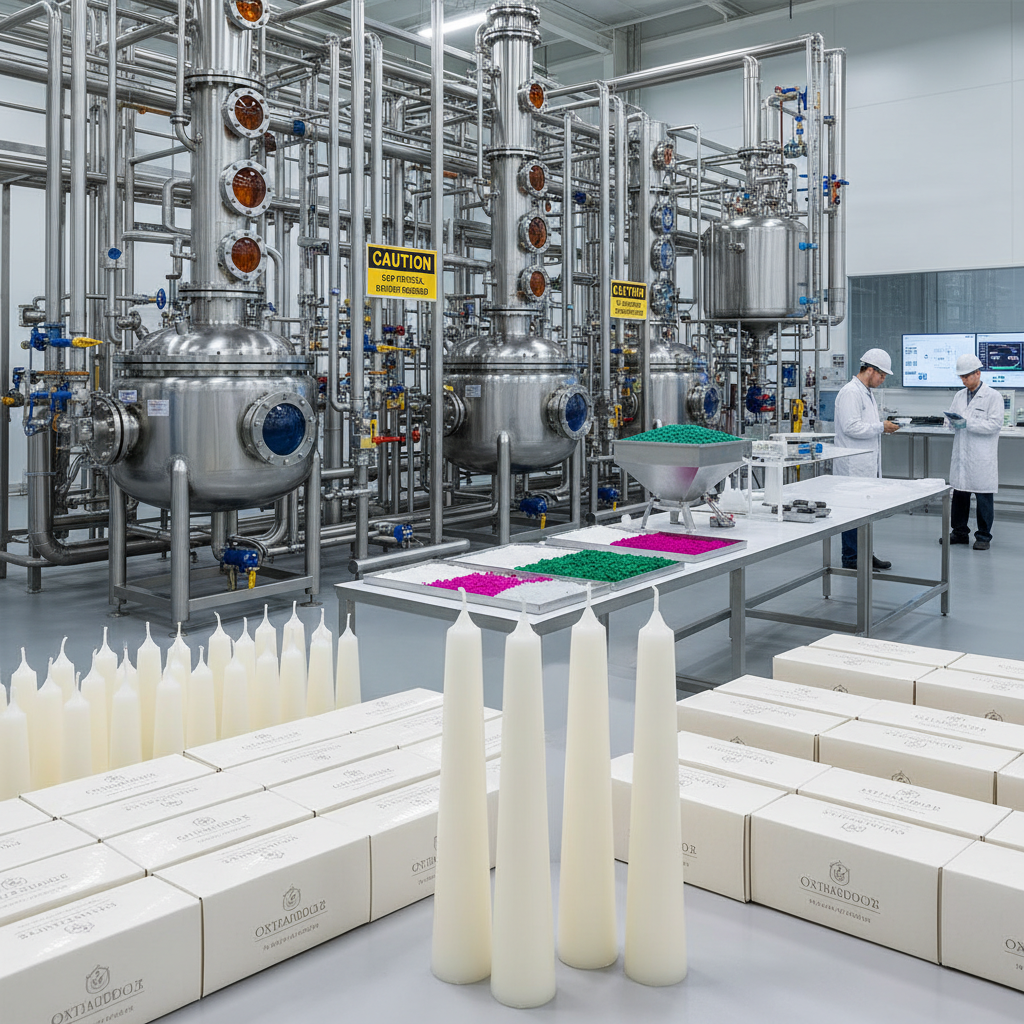
The future of orthodox candles lies in the intersection of automation and artisanal quality. Advanced injection molding and precision cooling tunnels now allow for perfectly uniform taper candles that maintain the "hand-poured" aesthetic while reducing waste and production time.
Research is also being conducted into "smart wicks" that can self-trim or sustain a more stable flame in drafty environments, which is a common challenge in large cathedrals. By utilizing nano-coatings on wicks, manufacturers can further reduce soot production, making the air in religious spaces healthier for both clergy and congregants.
Furthermore, the digital transformation of the supply chain allows for just-in-time delivery to parishes worldwide, ensuring that candles are fresh and have not suffered from "wax bloom"—the white powdery coating that can occur during long-term storage in fluctuating temperatures.
Comparative Analysis of Orthodox Candle Production Technologies
|
Technology Type
|
Production Speed
|
Consistency Score
|
Environmental Impact
|
| Traditional Hand-Dipping |
Low |
6/10 |
Very Low |
| Semi-Automated Molding |
Medium |
8/10 |
Low |
| Precision Injection |
High |
10/10 |
Medium |
| Centrifugal Casting |
High |
9/10 |
Medium |
| Vacuum Pressure Molding |
Medium |
9/10 |
Low |
| Eco-Hybrid Casting |
Medium |
8/10 |
Very Low |
FAQS
Pure beeswax is widely considered the best material for orthodox candles because it is natural, produces a clean flame with minimal soot, and possesses a natural honey-like aroma that enhances the liturgical environment. While paraffin blends are more affordable and easier to mass-produce, beeswax remains the gold standard for spiritual and health reasons.
Genuine beeswax orthodox candles have a characteristic natural yellow hue and a distinct honey scent when unlit. When burning, they produce a bright, golden flame and very little smoke. You can also perform a "pinch test"—pure beeswax is slightly more pliable and tacky than paraffin, which feels harder and more "plastic-like."
Yes, depending on their use. Votive or taper candles used in long vigils must be engineered for a slow, consistent burn. Manufacturers achieve this by optimizing the wax-to-wick ratio. A high-quality orthodox candle should burn evenly from top to bottom without dripping excessively or extinguishing prematurely.
Most modern paraffin candles used in churches are refined to be safe; however, they may release more soot than beeswax. To ensure safety, it is recommended to use lead-free cotton wicks and ensure the area is well-ventilated. Many parishes are transitioning to beeswax or soy-blends to improve indoor air quality.
They should be stored in a cool, dry place away from direct sunlight and heat sources. Because beeswax is sensitive to temperature, extreme heat can cause tapered candles to bend. Storing them vertically in sturdy cardboard or plastic dividers helps maintain their structural integrity during long-term storage.
Yes, bulk import is common. However, it is crucial to ensure the manufacturer uses export-grade packaging to prevent damage. Check for ISO certifications and safety data sheets (SDS) to ensure the products comply with the customs and safety regulations of the destination country.
Conclusion
The production and use of orthodox candles represent a unique intersection of chemical engineering, artisanal tradition, and spiritual necessity. From the careful selection of pure beeswax to the implementation of precision molding technologies, every detail is designed to ensure that the flame remains a steady symbol of faith. By focusing on purity, stability, and sustainability, the industry continues to support the liturgical needs of millions globally while adapting to modern environmental and safety standards.
As we look toward the future, the integration of eco-friendly materials and smart manufacturing will only enhance the quality and accessibility of these essential items. Whether for a grand cathedral or a private home altar, choosing candles that prioritize material integrity ensures a healthier environment and a more profound prayer experience. For those seeking the highest quality liturgical lighting, we invite you to explore our professional range. Visit our website: www.seawellcandle.com