In an unpredictable world where power grids can fail in an instant, the humble emergency candle remains one of the most reliable lifelines for illumination. Beyond mere light, these tools provide a sense of psychological security and operational continuity during blackouts, natural disasters, or remote excursions. Understanding the technical nuances of wax types and burn rates is essential for anyone building a robust survival kit.
Globally, the reliance on backup lighting has surged as urban centers face aging infrastructure and climate-driven weather extremes. From the dense apartments of Tokyo to the rural landscapes of the Midwest, the need for a dependable, non-electric light source is a universal constant. A high-quality emergency candle is not just a household item; it is a critical piece of safety equipment that ensures visibility when every second counts.
By exploring the chemistry of paraffin, beeswax, and soy blends, users can optimize their preparedness strategies for maximum efficiency. This guide delves into the industrial standards and practical applications of lighting solutions designed for crisis management, ensuring you choose products that offer the best balance of longevity, safety, and brightness.
Global Importance of Emergency Lighting
The global landscape of energy stability is increasingly volatile, making the deployment of an emergency candle a priority for governments and individuals alike. According to various international disaster management frameworks, access to basic lighting during the first 72 hours of a catastrophe significantly reduces panic and prevents accidents. In regions where electrical grids are unstable, these candles serve as the primary bridge between total darkness and essential visibility.
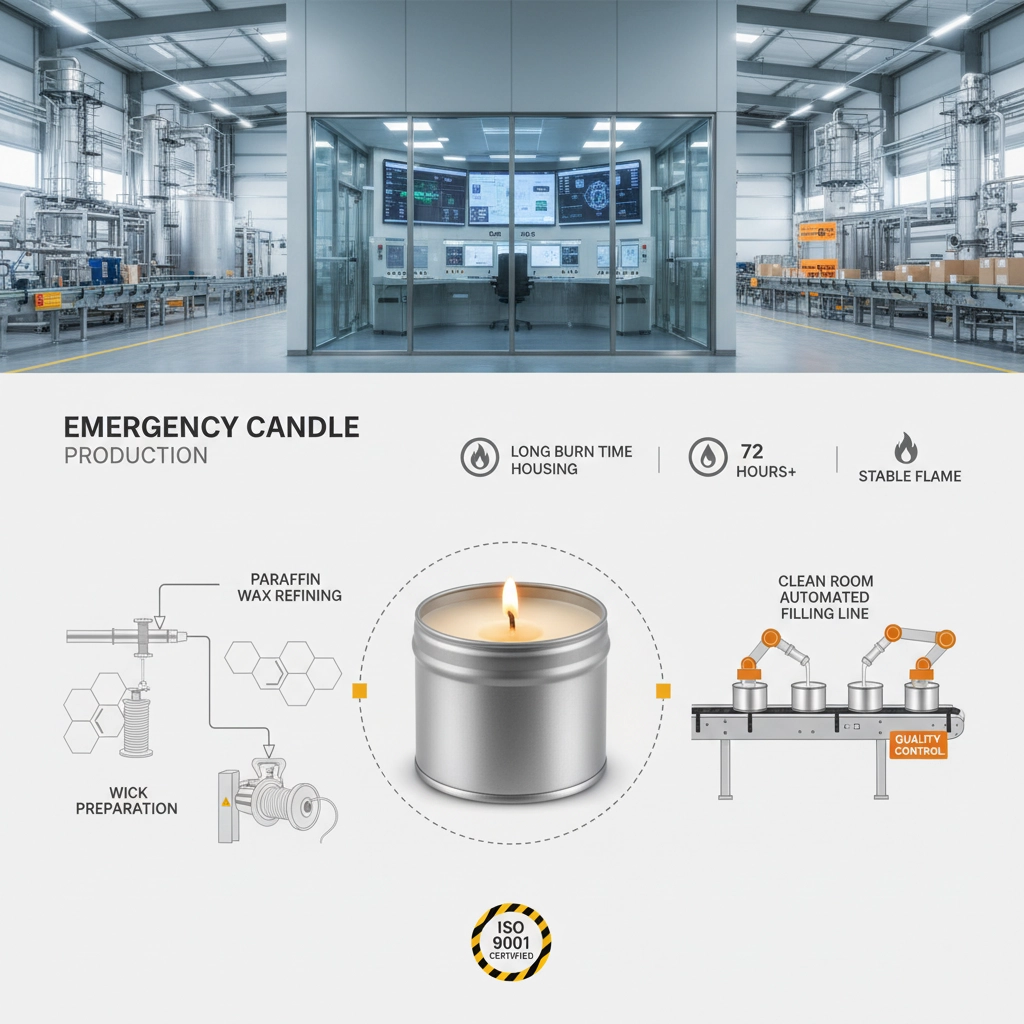
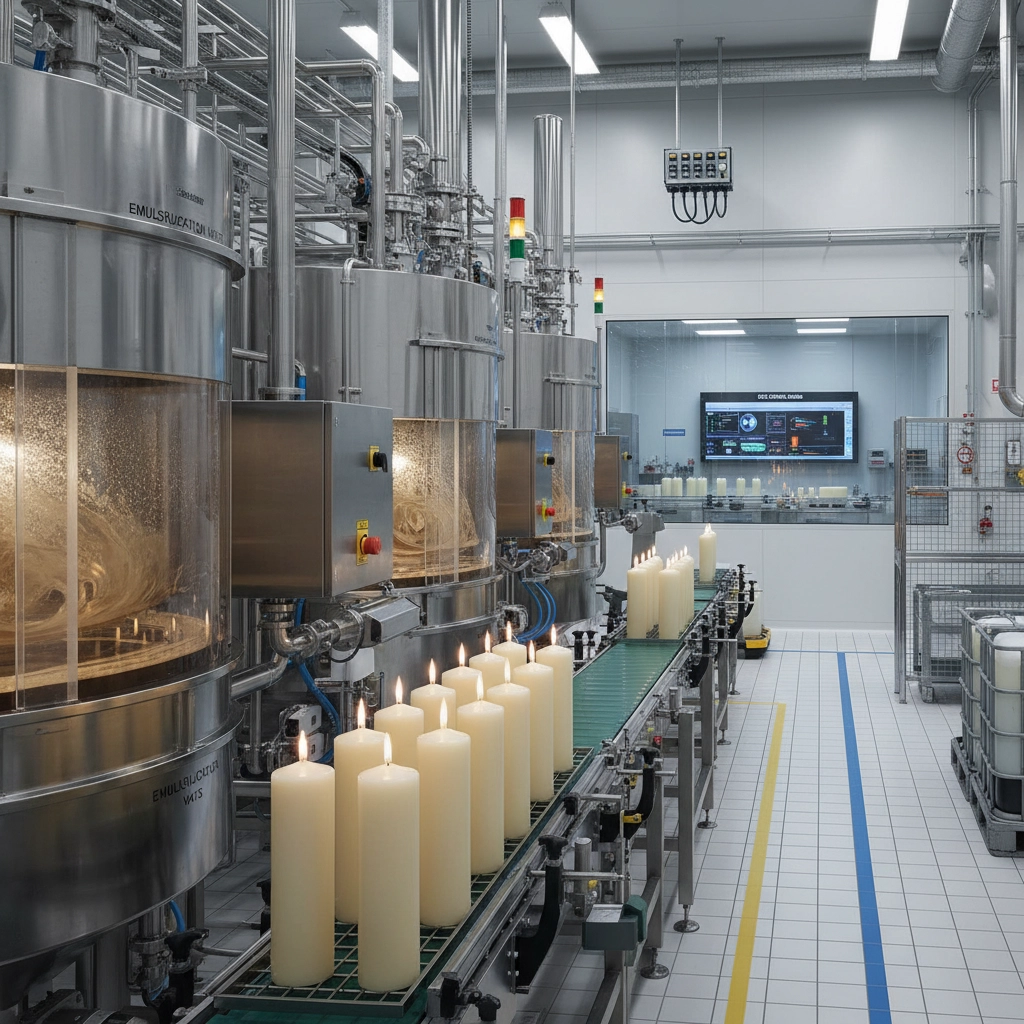
From a manufacturing perspective, the industry has shifted toward producing "survival-grade" candles that prioritize soot reduction and maximum burn time over aesthetics. This ensures that in confined spaces, such as shelters or basements, the air quality remains breathable while providing a steady glow. The intersection of chemical engineering and humanitarian need has transformed the simple candle into a specialized tool for resilience.
Defining the Industrial Emergency Candle
An emergency candle is specifically engineered for reliability and longevity under stressful conditions. Unlike decorative scented candles, which are designed for ambiance, an emergency variant focuses on a slow, steady melt rate and a high-stability wick. These are typically produced using high-density paraffin or beeswax to ensure they do not collapse or flicker excessively when exposed to slight drafts.
In the context of modern industry, these products are categorized by their "burn-hour" rating. Manufacturers utilize precision molding to ensure a consistent diameter, which prevents the "tunneling" effect that wastes wax. This technical approach ensures that the user gets every single minute of light they paid for, which is critical when replacements are unavailable.
Furthermore, the humanitarian application of these candles often involves integrating them into "survival kits" distributed by NGOs. These candles are often designed with drip-less technology or container-based systems (like tin or glass) to prevent fire hazards in makeshift shelters, bridging the gap between primitive lighting and high-tech electric alternatives.
Core Components of High-Performance Candles
The primary driver of an emergency candle's success is the quality of the wax base. Paraffin is often used for its affordability and bright light, while beeswax is prized for its longer burn time and cleaner air emissions. The choice of material directly impacts how the candle behaves in different temperatures, ensuring it doesn't melt too quickly in summer or become too brittle in winter.
Wick engineering is the second critical component. A high-performance emergency candle utilizes a braided cotton core, often treated with natural salts to maintain a self-trimming flame. This prevents the buildup of carbon deposits, which would otherwise cause the flame to smoke or extinguish unexpectedly during a critical power outage.
Finally, the structural housing—whether it be a pillar design or a container candle—determines the stability of the light source. For emergency use, heavy-bottomed pillar candles are preferred for their independence from holders, while tin container candles offer the highest safety against tipping, making them ideal for transport in emergency backpacks.
Performance Metrics and Burn Efficiency
When evaluating an emergency candle, industry experts look at the "wax-to-hour" ratio. This metric determines how many grams of wax are consumed per hour of illumination. A more efficient candle utilizes a denser molecular structure in the wax, allowing for a lower consumption rate without sacrificing the luminosity of the flame.
Another key factor is the "stability index," which measures how well the flame resists flickering in air currents of 2-5 mph. In a disaster scenario, such as a drafty warehouse or a tent, a candle that stays lit is infinitely more valuable than one that requires constant shielding.
Comparison of Emergency Lighting Efficiency
Global Use Cases in Crisis Management
In post-disaster relief operations, such as those led by the Red Cross or UN agencies, the emergency candle is a staple in hygiene and shelter kits. In the aftermath of earthquakes or hurricanes, where electricity is non-existent for weeks, these candles allow medical staff to perform basic triage and families to find comfort in the dark.
Beyond disaster zones, these candles are indispensable in remote industrial zones, such as mining camps or deep-sea oil platforms, as a tertiary backup. When primary and secondary electrical systems fail, a simple, flame-based light source provides a failsafe that requires no batteries, no charging, and no complex circuitry, ensuring human safety through simplicity.
Long-Term Value and Safety Advantages
The long-term value of investing in a dedicated emergency candle stock lies in its shelf-life. Unlike batteries, which leak over time, or LED flashlights that lose charge, a high-quality wax candle can remain viable for years if stored in a cool, dry place. This "passive readiness" is a cornerstone of strategic household planning.
From a psychological perspective, the warm glow of a candle provides a sense of dignity and calm that a harsh LED beam cannot. In high-stress environments, this emotional anchor helps reduce anxiety and fosters a sense of normalcy, which is vital for mental health during prolonged isolation or crisis.
Safety is further enhanced through the use of non-toxic materials. Modern emergency candles avoid lead-core wicks and synthetic fragrances that could irritate the respiratory system in enclosed spaces. By adhering to strict chemical safety standards, manufacturers ensure that the light source does not become a health hazard itself.
Future Trends in Emergency Illumination
The future of the emergency candle is leaning heavily toward sustainability and "green chemistry." We are seeing a transition toward biodegradable wax blends that offer the burn time of paraffin but the eco-profile of soy or coconut wax. This ensures that emergency preparedness does not come at the cost of environmental degradation.
Innovation is also appearing in "hybrid" designs, where candles are paired with reflective heat-shields to amplify light output without increasing wax consumption. These advancements are turning a centuries-old technology into a precision-engineered tool for the 21st century, combining ancestral reliability with modern physics.
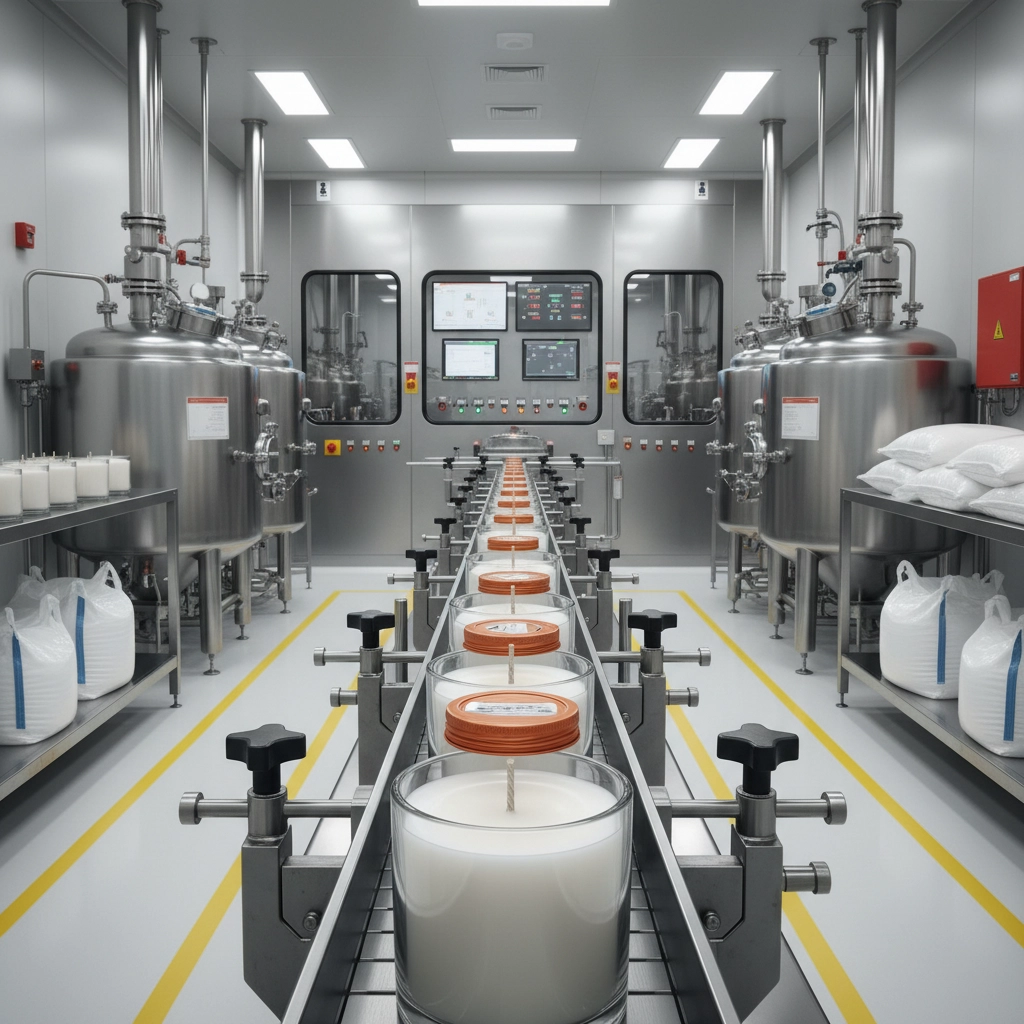
Additionally, the integration of automation in the manufacturing process is allowing for more consistent quality control. This means that every candle in a bulk shipment for an NGO will have exactly the same burn rate and luminosity, removing the guesswork from survival planning and ensuring predictable outcomes in the field.
Comparison of Emergency Candle Material Performance
| Material Type |
Burn Duration |
Soot Level |
Stability Score |
| Pure Paraffin |
Medium |
Moderate |
8/10 |
| Pure Beeswax |
Very High |
Very Low |
9/10 |
| Soy Blend |
Medium-Low |
Low |
6/10 |
| Paraffin-Beeswax Mix |
High |
Low |
10/10 |
| Stearin-based |
Medium |
Moderate |
7/10 |
| Synthetic Polymer |
High |
High |
8/10 |
FAQS
A standard candle is usually designed for scent or aesthetics, often with softer waxes that burn quickly. An emergency candle focuses on functionality, using denser waxes and high-stability wicks to maximize burn time and minimize flickering, ensuring it remains lit in drafty conditions.
High-quality wax candles do not "expire" in the traditional sense. However, if stored in extreme heat, the wax may deform. In a cool, dry environment, an emergency candle can remain perfectly functional for 5-10 years, making them far more stable than battery-powered options.
Beeswax is generally considered safer for indoor air quality as it produces significantly less soot and is naturally non-toxic. Paraffin is highly effective and brighter, but for those with respiratory sensitivities, beeswax is the superior choice for emergency lighting.
For survival kits, container candles (tin or glass) are best because they are portable and eliminate the risk of wax spilling or the candle tipping over. Pillar candles are excellent for home-based backup but are less practical for mobile kits.
To prevent tunneling, always allow the candle to burn until the wax pool reaches the edges of the container during the first use. This "sets the memory" of the wax and ensures a full, efficient burn for the rest of the candle's life.
While possible, it is not recommended. Scented oils can alter the burn rate and may produce more soot. In an emergency, especially in confined spaces, a clean-burning, unscented candle is safer and more reliable.
Conclusion
The emergency candle serves as a critical intersection between simple chemistry and essential human survival. By prioritizing material density, wick stability, and safe housing, these lighting solutions provide a dependable failsafe when modern technology falters. Whether integrated into global humanitarian aid or a personal home kit, the value of a reliable light source extends beyond visibility—it provides the security and stability needed to navigate a crisis.
Looking ahead, the shift toward sustainable wax blends and precision engineering will only enhance the reliability of these tools. We encourage all homeowners and organization planners to audit their emergency supplies and prioritize high-burn-rate, low-soot options. For professional-grade lighting solutions that guarantee peace of mind in the dark, visit our website: www.seawellcandle.com.