China Scented Candles have become a cornerstone of the global home fragrance market, blending traditional wax-working craftsmanship with modern aromatic chemistry. As the manufacturing landscape for daily chemical products evolves, these products now serve as essential elements for both therapeutic wellness and luxury interior design across North America and Europe.
For B2B buyers and retail distributors, the primary challenge lies in balancing scent throw, burn stability, and regulatory compliance. Navigating the vast supply chain in China requires an understanding of how raw material selection—such as paraffin versus beeswax—impacts the final sensory experience and the safety certifications required for international trade.
This analysis provides a comprehensive framework for evaluating scented candle manufacturing, detailing the technical specifications of different wax bases, procurement standards, and the operational capacities of professional Chinese production facilities to help buyers make informed sourcing decisions.

Material Composition and Scent Delivery

The efficacy of a scented candle is determined by the synergy between the wax base and the fragrance oil. In the Chinese manufacturing sector, paraffin remains a dominant choice for its excellent scent throw and cost-efficiency, while beeswax is utilized for premium, natural-focused lines. The "cold throw"—the scent perceived when the candle is unlit—and the "hot throw"—the scent released during combustion—depend heavily on the fragrance load percentage and the flash point of the oils used.
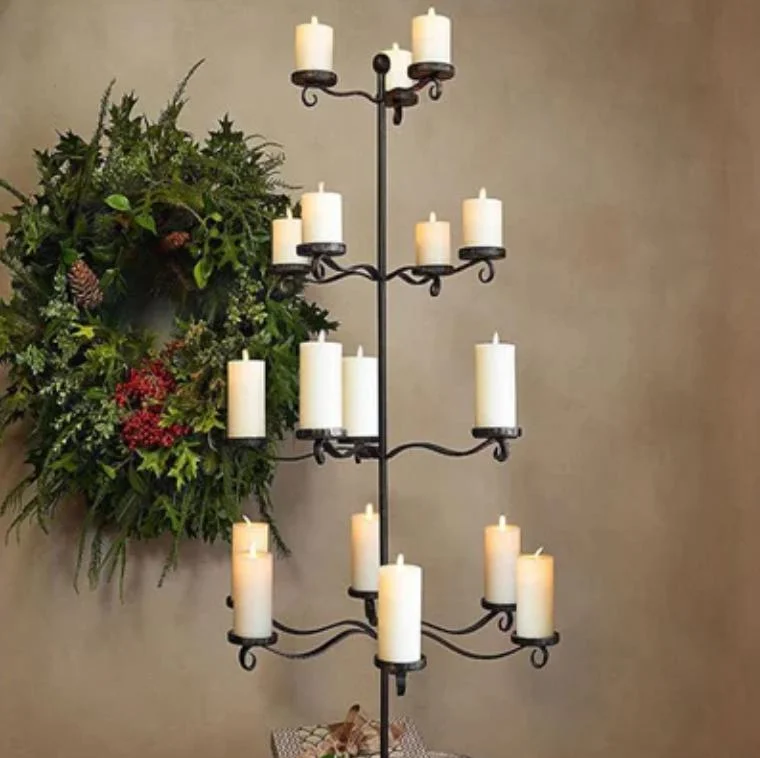
Professional manufacturers emphasize the use of lead-free cotton wicks to ensure a clean burn. For instance, high-quality taper and pillar candles are engineered to be dripless, which requires precise temperature control during the cooling process to prevent the wax from softening too quickly under heat.
Manufacturing Capabilities and Scale
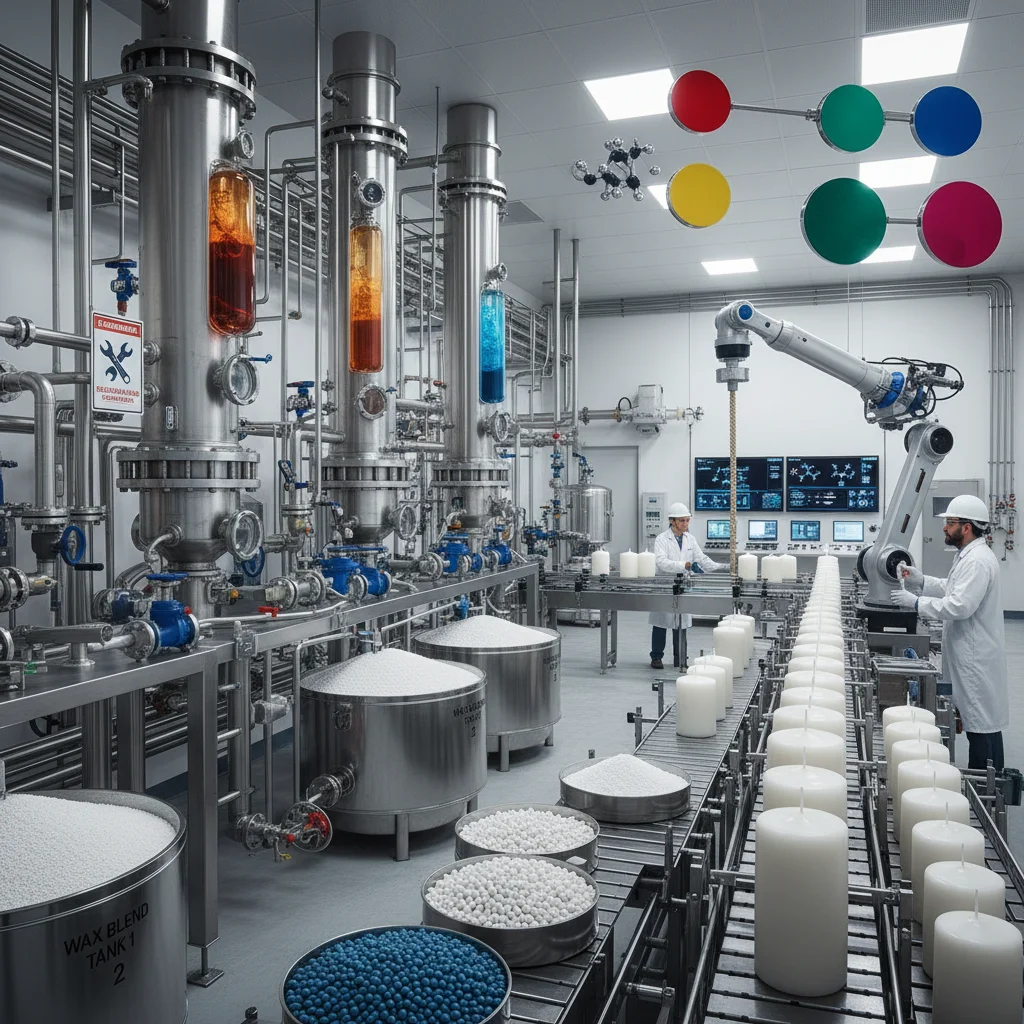
Scale is a critical factor for B2B sourcing. A professional operation typically integrates multiple specialized facilities to handle different product lines. For example, some factories may focus on high-volume stick candles for markets in Africa and the Middle East, while other specialized plants focus on luxury scented, pillar, and tealight candles for the US and European markets.
Production efficiency is measured by container output and lead times. A high-capacity facility operating across 100,000 square meters can achieve outputs of up to 180 containers per month, with a turnover rate where 90% of orders are completed within twenty days. This level of industrialization ensures that seasonal demand spikes for holidays can be met without compromising quality.
Container Selection and Aesthetic Integration
The vessel is not merely a holder but a functional component that affects heat distribution. Glass container candles are the industry standard for luxury scented lines due to their transparency and heat resistance. However, ceramic and tin containers are increasingly popular for their durability and unique brand positioning. The fit between the candle and the container must be exact to avoid "tunneling," where the wax doesn't melt evenly to the edges.
Design versatility extends to shaped and colored candles. From gradient orange taper candles used in seasonal decor to white stick candles for daily necessity, the ability to maintain color consistency across batches is a hallmark of advanced chemical manufacturing in the candle industry.
Performance Metrics for Quality Control
Evaluating the quality of China Scented Candles requires a quantitative approach. Key performance indicators (KPIs) include the burn rate (grams per hour), the stability of the flame, and the soot production level. A well-engineered candle maintains a consistent flame height and a melt pool that reaches the container wall within a specific timeframe.
The chart above illustrates a conceptual relative evaluation of wax types based on three critical dimensions: Scent Throw, Burn Duration, and Eco-Friendliness. While paraffin scores high on fragrance delivery, beeswax provides superior longevity and environmental appeal, guiding buyers toward the correct material based on their target market's priorities.
Compliance and International Safety Standards
For products exported to the US and EU, certifications are non-negotiable. CE and ROHS certificates ensure that the chemicals used in the fragrance and the materials in the wick meet environmental and safety thresholds. Furthermore, social compliance audits like BSCI ensure that the manufacturing process adheres to ethical labor practices, which is a primary requirement for large-scale retail chains.
Safety labeling is another critical compliance area. Labels must clearly state burn instructions and warning signs to prevent fire hazards. Manufacturers that integrate these standards into their production line reduce the risk of customs delays and product recalls in strictly regulated markets.
Common Pitfalls in Candle Procurement
One of the most frequent mistakes in sourcing is overemphasizing low unit costs over burn quality. Low-grade paraffin or excessive synthetic fragrance loads can lead to excessive soot and unpleasant chemical odors during combustion. Another risk is ignoring the "dripless" claim; truly dripless candles require specific wax blends and ideal burning conditions, and buyers should verify these claims through sample testing.
Packaging fragility is often overlooked. Scented candles in glass or ceramic containers require specialized export packaging to prevent breakage during long-distance maritime shipping. Buyers should insist on reinforced outer cartons and protective dividers to minimize loss during transit.
Sourcing Decision Framework
Selecting the right supplier requires a structured comparison of their technical capabilities and market experience. Whether the goal is high-volume daily necessities or niche luxury scented products, the manufacturer's infrastructure must align with the product's intended price point and quality tier.
| Product Category | Primary Material | Target Market | Key Selection Factor |
|---|---|---|---|
| Luxury Scented | Soy/Paraffin Blend | EU / North America | Scent Throw & Certification |
| Pillar Candles | Paraffin / Beeswax | Global Decor | Structural Stability |
| Taper Candles | Paraffin | Event Planning | Dripless Performance |
| Tealight Candles | Paraffin | Daily Household | Burn Consistency |
| Container Candles | Various Blends | Gift / Home Spa | Vessel Heat Resistance |
| Stick Candles | Paraffin | Africa / S. America | Cost per Unit & Volume |
By applying this framework, procurement managers can categorize their needs and evaluate potential partners based on the specific requirements of the product category, ensuring a better match between factory capability and market demand.
Frequently Asked Questions
Paraffin is a petroleum-based wax known for its strong scent throw and affordability, making it ideal for mass-market scented candles. Beeswax is a natural product that burns cleaner and longer, appealing to eco-conscious consumers, though it typically has a higher cost and a subtle natural honey aroma.
Check the total workshop area (e.g., 100,000 square meters) and monthly container output. A supplier capable of producing 180 containers per month with a 20-day turnaround for most orders indicates a high level of industrial capacity and efficiency.
CE and ROHS certificates are critical for ensuring chemical safety and environmental compliance. Additionally, BSCI certification is often required by European retailers to verify ethical manufacturing and labor standards.
Dripping is caused by the wax melting faster than the wick can consume it. While "dripless" candles use specific additives and wick diameters to minimize this, actual performance depends on burning conditions, such as avoiding drafts and maintaining a consistent temperature.
Consistent quality requires precise fragrance loading and temperature-controlled mixing. Work with manufacturers who provide technical specifications for fragrance oils and use standardized quality control processes for every production run.
While glass and ceramic are preferred for aesthetics, tin containers are the most durable for shipping. For glass products, using double-walled cartons and custom-molded foam or cardboard dividers is essential to prevent breakage during transit.
Conclusion
Sourcing China Scented Candles requires a strategic balance between material science, production scale, and regulatory compliance. By focusing on the technical synergy of wax and fragrance, verifying certifications like CE and BSCI, and utilizing a structured decision framework, buyers can secure high-quality products that meet both consumer expectations and international safety standards.
For those seeking professional manufacturing partnerships, detailed product specifications and factory capacity can be reviewed at www.seawellcandle.com to align production capabilities with specific business requirements.