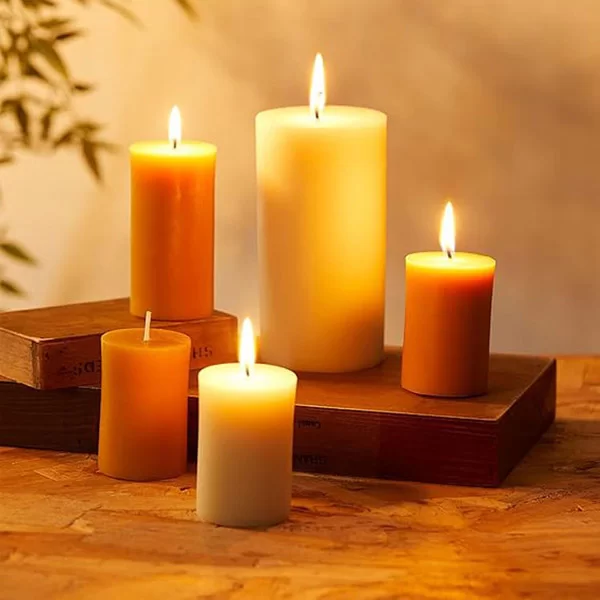
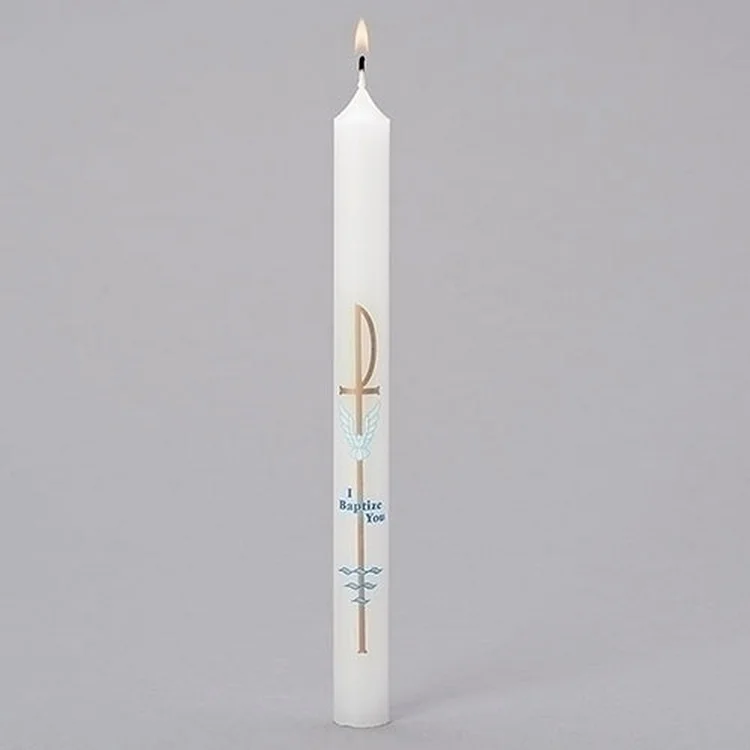
Poland remains one of Europe's most significant hubs for candle consumption, driven by a deeply rooted cultural attachment to liturgical traditions. The demand for a 9 days candle is consistently high, requiring manufacturers to optimize paraffin viscosity and wick capillary action to ensure a steady, drip-free burn during prolonged use in varying indoor temperatures.
From a chemical perspective, the Polish market is shifting toward "Clean Burn" technologies. The prevalence of coal-based heating in some regions has increased consumer sensitivity to indoor air quality, pushing manufacturers to replace traditional stearin with high-purity soy and beeswax blends, particularly for the Spa candle segment where olfactory purity is paramount.
Economic fluctuations in the EU raw material supply chain have forced Polish producers to innovate in additive chemistry. To maintain the structural integrity of large-scale religious candles during Poland's humid autumns and dry winters, advanced polymer stabilizers are now integrated into the wax matrix to prevent frosting and cracking.