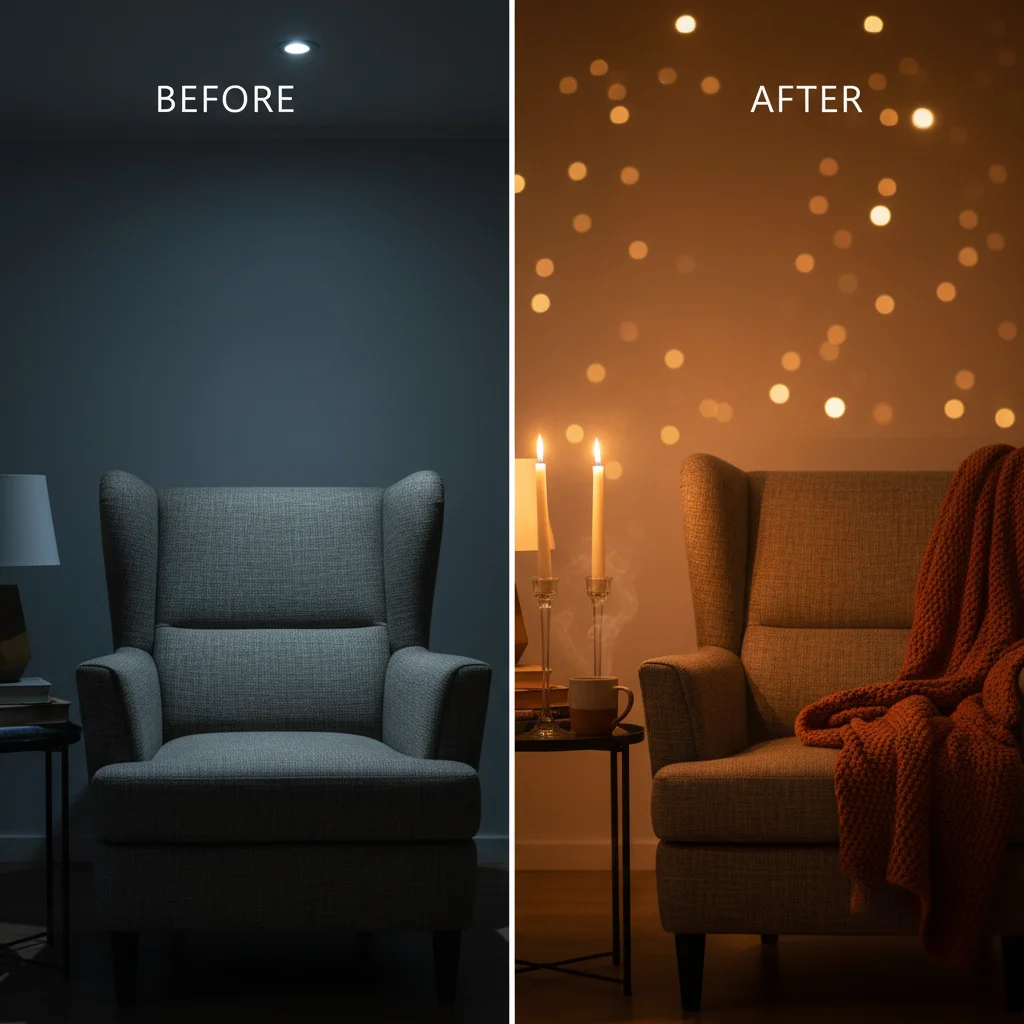
The concept of faith candles transcends simple lighting; it represents a global tradition of hope, spirituality, and mental clarity. Across diverse cultures, the act of lighting a candle serves as a physical manifestation of a prayer, a wish, or a commitment to inner peace, making these specialized products essential for billions of people worldwide.
In the modern manufacturing landscape, the production of these items has evolved from simple tallow dipping to sophisticated chemical engineering. Today, the industry balances the need for traditional aesthetics with strict safety standards and environmental regulations, ensuring that the spiritual experience is not compromised by soot or toxic fumes.
Understanding the intricacies of faith candles—from the purity of the beeswax to the stability of the paraffin blend—allows consumers and religious institutions to choose products that align with their values of sustainability and sanctity.
Global Significance of Faith Candles
The global market for faith candles is driven by an intersection of religious practice and the rising trend of "mindfulness" in secular societies. From the grand cathedrals of Europe to the serene temples of Asia, these candles act as a bridge between the physical and spiritual worlds, with demand fluctuating according to liturgical calendars and cultural festivals.
Industry data suggests a shift toward non-toxic, biodegradable materials, as ISO standards for indoor air quality become more stringent. This evolution forces manufacturers to move away from low-grade paraffin toward refined Beeswax Pillar Candles and soy blends, ensuring that the act of devotion does not negatively impact the health of the practitioner or the environment.
Defining the Essence of Faith Candles
At its core, faith candles are lighting products specifically designed for ritualistic, prayerful, or meditative use. Unlike decorative scents used for home fragrance, these candles prioritize burn time, stability, and purity. Whether they take the form of a Tapered Candle for an altar or a Tealight Candle for a vigil, the primary goal is to provide a steady, unwavering flame.
In a modern industrial context, this definition extends to the "cleanliness" of the burn. A true faith candle must be free from excessive soot and chemical odors, as the olfactory experience is often tied to the sanctity of the environment. This requires precise control over the wax-to-wick ratio and the use of high-grade refined raw materials.
Furthermore, the humanitarian aspect cannot be ignored. In many remote regions, these candles are more than spiritual tools; they are essential sources of light during power outages in community gathering spaces, combining utilitarian necessity with deep-seated cultural meaning.
Core Components of High-Quality Production
The durability of faith candles begins with the selection of the base material. For instance, Beeswax Pillar Candles are prized for their natural honey scent and long-lasting burn, providing a superior structural integrity that prevents the candle from sagging under high temperatures.
Scalability in production is achieved through advanced molding and dipping techniques. By utilizing precise temperature controls, manufacturers can produce thousands of uniform Colored Stick Candles that maintain their hue and shape, ensuring that religious institutions receive consistent batches for their seasonal needs.
Cost efficiency is balanced with quality by optimizing the blend of paraffin and stearin. This allows for the creation of Paraffin Tapered Candles that are affordable for mass distribution in community churches while still offering a drip-less experience and a stable flame.
Performance Metrics for Different Wax Types
When evaluating the efficiency of faith candles, industry experts look at burn rate and smoke emission. Different wax compositions yield vastly different results, which is why selecting the right product for the right ritual is critical for both safety and atmosphere.
The following data compares various faith candle methodologies based on their performance in stability and air purity, providing a logical guide for procurement managers in the religious sector.
Comparative Performance of Faith Candle Wax Bases
Global Applications and Sacred Use Cases
In real-world applications, faith candles are deployed across diverse geographical and social landscapes. In the Mediterranean region, for example, Glass Container Candles are frequently used in outdoor shrines to protect the flame from wind while allowing the light to radiate clearly to pilgrims.
Conversely, in remote industrial zones or disaster-stricken areas, the distribution of simple White Stick Candles serves a dual purpose: providing essential light for temporary shelters and maintaining a sense of spiritual normalcy and dignity for displaced populations.
Long-Term Value and Emotional Impact
The long-term value of investing in high-quality faith candles lies in the intersection of safety and trust. Low-quality candles often flicker or produce acrid smoke, which can disrupt the meditative state of a user and pose a fire hazard in crowded religious settings.
From an emotional perspective, the reliability of a candle—knowing it will burn steadily for the duration of a prayer—creates a psychological anchor of stability. This reliability fosters a deeper connection between the ritual and the intended spiritual outcome.
Moreover, the shift toward sustainable options like Ceramic Container Candles reduces waste, offering a long-term ecological benefit that aligns with the faith-based tenet of stewardship over the Earth.
Future Trends in Sustainable Candle Tech
The future of faith candles is inextricably linked to green chemistry. We are seeing a surge in the use of algae-based waxes and recycled plant oils, which aim to eliminate the carbon footprint associated with traditional paraffin production.
Automation in the manufacturing process is also enhancing precision, allowing for "smart wicks" that self-trim to ensure a constant flame height. This technological leap reduces maintenance for clergy and facility managers in large cathedrals.
As global policies move toward a circular economy, the industry is focusing on biodegradable packaging and refillable container systems, ensuring that the physical remnants of faith do not linger as pollutants in the environment.
Analysis of Material Transitions in Faith Candle Manufacturing
| Material Type |
Eco-Friendliness |
Burn Stability |
Cost Impact |
| Pure Beeswax |
High |
Excellent |
Premium |
| Refined Paraffin |
Low |
Good |
Economical |
| Soy-Based Wax |
Medium-High |
Fair |
Moderate |
| Palm-Derived Wax |
Medium |
Very Good |
Moderate |
| Algae-Wax Blend |
Very High |
Experimental |
High |
| Composite Stearin |
Medium |
Good |
Low-Moderate |
FAQS
Beeswax candles are naturally hypoallergenic, produce significantly less soot, and have a higher melting point, which results in a longer, more stable burn. For spiritual use, their natural honey scent is often preferred over the chemical smell associated with low-grade paraffin.
Look for candles that meet ISO safety standards and use lead-free cotton wicks. Utilizing container candles (glass or ceramic) is highly recommended to prevent wax drips and minimize fire risks in high-traffic religious areas.
Professional manufacturers use pigment-grade dyes that are heat-stable and non-toxic. When purchasing, check for certifications that ensure the pigments do not release harmful VOCs (Volatile Organic Compounds) when burned.
Pillar candles, especially those made from a beeswax-stearin blend, are best for long vigils due to their density and slow burn rate. They provide a consistent light source for many hours without requiring constant adjustment.
Yes, bulk imports are common. It is essential to ensure that the wax type complies with the destination country's environmental laws and that the packaging is moisture-resistant to prevent deformation during sea freight.
The first burn is critical. Allow the wax to melt completely across the top surface to the edges of the container. This creates a "memory" for the wax, ensuring an even burn for the remainder of the candle's life.
Conclusion
In summary, faith candles represent a vital synergy between ancient spiritual tradition and modern chemical manufacturing. By prioritizing high-quality materials like refined beeswax and soy, and embracing sustainable production methods, the industry ensures that these tools of devotion remain safe, effective, and environmentally responsible.
As we look toward the future, the integration of green technology and precision engineering will only enhance the experience of lighting a candle. Whether for a private prayer or a global ceremony, choosing a candle that balances purity with performance is the key to maintaining the sanctity of the flame. For premium options tailored to your spiritual needs, visit our website: www.seawellcandle.com