The global shift toward sustainable living has catapulted the coconut candle into the spotlight of the home fragrance industry. As consumers move away from petroleum-based paraffins, the demand for plant-based alternatives that offer both aesthetic appeal and environmental responsibility has grown exponentially, making coconut wax a premier choice for luxury and eco-conscious brands alike.
Integrating natural coconut derivatives into candle making addresses a critical gap in the market: the need for a clean-burning wax that maintains a high fragrance throw without compromising indoor air quality. By leveraging the unique chemical properties of coconut oil, manufacturers can create a product that is not only biodegradable but also provides a superior sensory experience compared to traditional options.
Understanding the nuances of the coconut candle allows wholesalers and retailers to tap into the "green luxury" segment. From its creamy white appearance to its exceptional ability to hold essential oils, this product represents the intersection of traditional craftsmanship and modern chemical innovation in the daily chemical products sector.

Global Market Context of Coconut Candles
The global home fragrance market has seen a significant pivot toward "clean label" products, with the coconut candle emerging as a dominant force. According to industry trends aligning with ISO sustainability standards, the shift is driven by a growing awareness of Volatile Organic Compounds (VOCs) associated with paraffin waxes. This has led to a surge in demand across North America and Europe for renewable, plant-derived waxes.
The challenge facing the industry has long been the trade-off between "eco-friendly" and "high performance." While soy wax became popular, it often struggled with frosting and scent throw. The introduction of refined coconut wax solved these issues, providing a creamy texture and an unparalleled ability to disperse fragrance, thereby solving the primary pain point for high-end boutique retailers.
Defining the Coconut Candle in Modern Industry
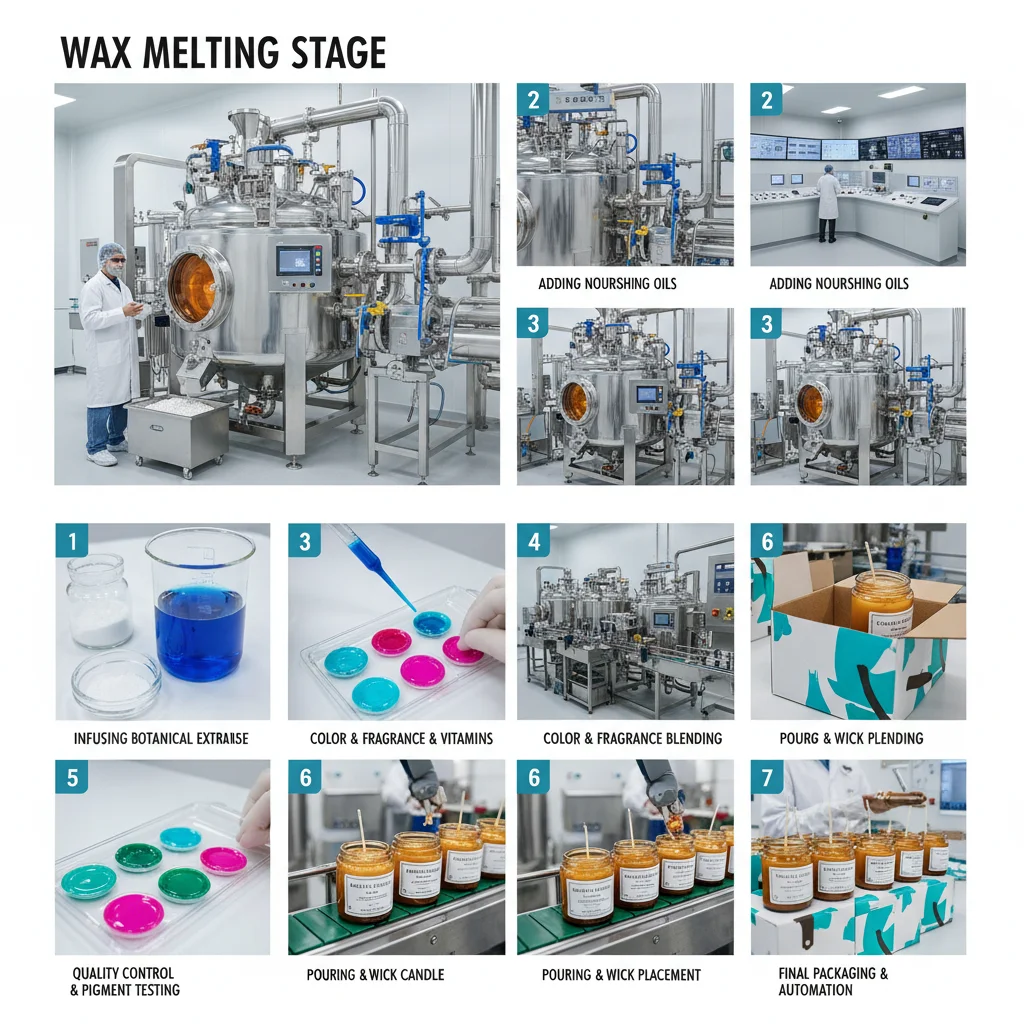
In simple industrial terms, a coconut candle is a lighting and fragrance product crafted from hydrogenated coconut oil. Unlike raw coconut oil, which is too soft at room temperature, the industrial process involves refining and hydrogenating the fats to create a stable, solid wax that maintains its shape while offering a low melting point for efficient scent release.
From a humanitarian and health perspective, these candles address the need for non-toxic indoor environments. In urban centers where air pollution is high, using a candle that produces virtually no soot helps maintain respiratory health. This aligns with the modern move toward "wellness architecture," where the products used within a home contribute to the overall health of the inhabitant.
Furthermore, the connection to the agricultural sector is profound. By utilizing coconut by-products, the industry supports sustainable farming practices in tropical regions. This transforms a simple household item into a tool for economic empowerment, linking the luxury consumer in a metropolis to the sustainable farmer in a rural coconut grove.
Core Components and Chemical Advantages
One of the primary advantages of the coconut candle is its exceptional fragrance load capacity. Chemically, the molecular structure of coconut wax allows it to bind more effectively with both synthetic and natural essential oils, ensuring that the scent remains consistent from the first light to the final flicker.
Another critical factor is the "Clean Burn" characteristic. Because it is a natural triglyceride, a coconut candle burns more completely than petroleum-based waxes. This results in a significant reduction in soot production, protecting walls, ceilings, and most importantly, the lungs of the users.
Finally, the physical scalability of coconut wax is a boon for manufacturers. It can be easily blended with other natural waxes—such as beeswax or soy—to customize the hardness, melting point, and burn rate. This versatility allows brands to create everything from soft container candles to firm pillar candles without sacrificing the coconut's inherent benefits.
Performance Metrics and Burn Efficiency
When evaluating the efficiency of a coconut candle, technical parameters such as the melt pool speed and the "cold throw" (the scent when not lit) are paramount. Coconut wax typically exhibits a faster melt pool formation than soy, which accelerates the release of fragrance molecules into the air, making it more effective for larger rooms.
Moreover, the stability of the flame is a key safety metric. Due to its consistent viscosity when melted, the coconut candle maintains a steady wick, reducing the risk of "tunneling"—a common defect in lower-quality candles where wax remains on the sides of the container.
Performance Comparison of Coconut Candle Blends
Global Applications and Use Cases
The application of the coconut candle extends far beyond simple home decor. In the hospitality industry, luxury spas and wellness retreats in Bali and the Maldives integrate these candles to create a multisensory environment that aligns with the natural surroundings. The clean burn is essential in these enclosed, high-end spaces where air purity is part of the service value.
In the corporate gifting sector, particularly for eco-conscious tech firms in Silicon Valley or sustainable fashion houses in Paris, coconut wax candles have become a symbol of "mindful luxury." Their biodegradable nature and ethical sourcing make them the ideal choice for companies aiming to reduce their carbon footprint while maintaining a premium brand image.
Long-Term Value and Sustainability
Investing in a coconut candle provides tangible long-term value through sustainability. Unlike paraffin, which is a byproduct of oil refining, coconut wax is a renewable resource. As global policies move toward banning single-use plastics and reducing petroleum reliance, products based on plant lipids are positioned for long-term market viability.
From an emotional standpoint, the use of coconut wax fosters a sense of trust between the brand and the consumer. When a customer knows that their home fragrance is non-toxic and ethically sourced, it creates a deeper loyalty. This psychological safety is a powerful commercial driver, transforming a commodity purchase into a lifestyle choice.
Furthermore, the biodegradable nature of the wax ensures that at the end of the candle's life, no harmful residues are left behind. This full-lifecycle sustainability is a core requirement for the modern "circular economy," where every product must be designed with its eventual return to nature in mind.
Future Innovations in Coconut Wax Technology
The future of the coconut candle lies in the integration of biotechnology. Researchers are currently exploring ways to modify the crystallization process of coconut wax to create "smart candles" that release different fragrance notes at specific temperature intervals, enhancing the storytelling aspect of aromatherapy.
Automation in the manufacturing process is also evolving. 3D printing with coconut wax blends is becoming a reality, allowing for the creation of complex, geometric shapes that were previously impossible with traditional molding. This allows for a fusion of art and chemistry, pushing the boundaries of what a candle can be.
As green energy policies tighten, we expect to see a shift toward carbon-neutral production facilities that power the refining of coconut oil using solar or wind energy. This will make the coconut candle not just a sustainable product, but one produced through a fully sustainable supply chain.
Comparative Analysis of Coconut Candle Wax Varieties
| Wax Type |
Scent Retention |
Burn Rate |
Eco-Score (1-10) |
| Pure Coconut Wax |
Excellent |
Moderate |
10 |
| Coconut-Soy Blend |
High |
Slow |
9 |
| Coconut-Beeswax |
Very High |
Very Slow |
10 |
| Refined Coconut Oil |
Moderate |
Fast |
8 |
| Coconut-Paraffin Mix |
High |
Moderate |
4 |
| Palm-Coconut Blend |
High |
Slow |
6 |
FAQS
Coconut wax typically offers a superior scent throw and a creamier, smoother appearance compared to soy wax. While soy is eco-friendly, it can sometimes suffer from "frosting" (white crystalline structures) and a weaker fragrance release. The coconut candle solves these aesthetic and olfactory issues while remaining equally sustainable.
Yes, high-quality coconut wax is non-toxic and biodegradable. Because it burns cleanly without the petroleum by-products found in paraffin, it is generally safer for households with children and pets. However, as with any candle, it should always be used under supervision and kept away from flammable materials.
Generally, yes. Coconut wax has a denser molecular structure and a lower burning temperature, which means it consumes the fuel more slowly than paraffin. This results in a longer burn time per ounce of wax, providing better value for the consumer over the long term.
Absolutely. One of the main industrial advantages of coconut wax is its high fragrance load. It is specifically praised for its ability to "fill" a room with scent more efficiently than other natural waxes, making it an ideal choice for larger living areas or open-concept spaces.
To prevent tunneling, always allow the wax to melt all the way to the edges of the container during the first burn. Because coconut wax has a low melting point, this usually happens quickly. Once a full melt pool is established, subsequent burns will remain even.
Most premium coconut wax providers prioritize ethically harvested coconuts. When choosing a supplier, look for certifications that ensure fair trade practices and sustainable farming. Our commitment to sustainability ensures that the production of each coconut candle supports rural farming communities without depleting local ecosystems.
Conclusion
The coconut candle represents a pivotal advancement in the daily chemical products industry, blending the rigorous demands of performance with the urgent necessity of sustainability. By offering a non-toxic, clean-burning alternative with superior fragrance capabilities, it addresses the core needs of the modern, health-conscious consumer while providing a scalable, high-value product for wholesalers and retailers.
Looking forward, as the industry embraces biotechnology and carbon-neutral manufacturing, the coconut candle is poised to remain at the forefront of the green luxury movement. For those seeking to elevate their product line or their home environment, transitioning to plant-based wax solutions is not just an ethical choice, but a strategic business decision. Visit our website for more premium options: www.seawellcandle.com