In the evolving landscape of home ambiance and luxury decor, crsytal candles have emerged as a pinnacle of aesthetic sophistication. These specialized lighting elements blend the purity of high-grade waxes with the light-refracting brilliance of crystal-clear containers, creating a visual experience that transcends simple illumination. For designers and homeowners alike, the shift toward these premium products reflects a broader global desire for mindfulness and sensory indulgence within the domestic sphere.
The global demand for high-end decorative candles is no longer just about scent or light; it is about the intersection of art and chemical engineering. By utilizing advanced paraffin blends and precision-molded glass or crystal, crsytal candles solve the common problem of unsightly soot and uneven melting that often plagues cheaper alternatives. This ensures that the visual clarity of the vessel is maintained throughout the entire burn cycle, preserving the luxury appeal from the first light to the final flicker.
Understanding the technical composition and the artistic value of these products allows consumers and wholesale buyers to make informed decisions based on durability, burn time, and safety. Whether used in high-end hospitality settings or as a focal point in a modern living room, the strategic integration of crsytal candles enhances the emotional quality of a space, promoting a sense of tranquility and elegance that is essential in today's fast-paced urban environments.

The Technical Composition of Crystal Candles
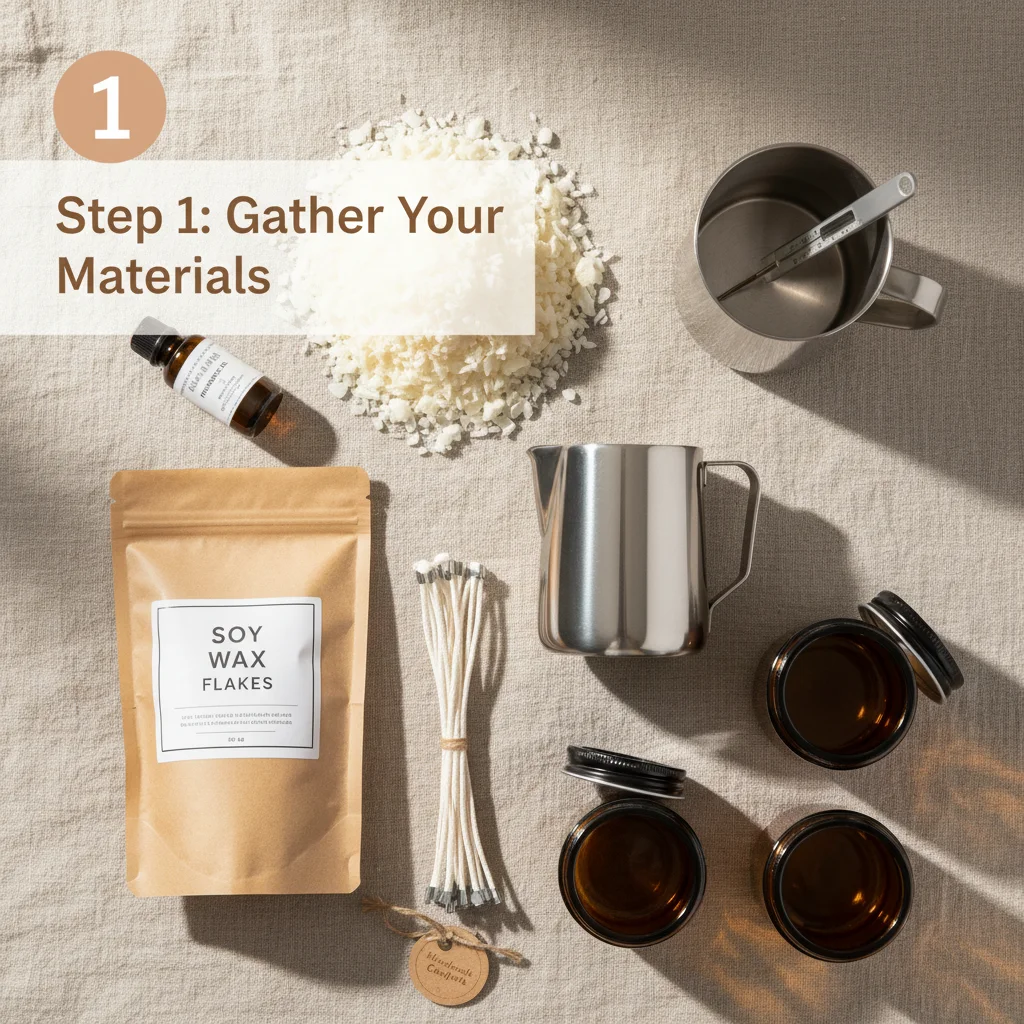
The essence of premium crsytal candles lies in the precise synergy between the fuel source and the containment vessel. To achieve a "crystal" effect, manufacturers utilize high-transparency borosilicate glass or lead-free crystal, which can withstand the thermal stress of a burning flame without cracking. The wax is typically a refined paraffin blend or a soy-paraffin hybrid, engineered to maintain a clear, liquid pool that reflects the surrounding light, enhancing the overall luminescence of the room.
Furthermore, the wick selection is critical. A braided cotton wick, often treated with a self-trimming mechanism, ensures that the flame remains steady and the smoke output is minimized. This technical precision prevents the carbon buildup that would otherwise cloud the crystal walls, ensuring that the candle remains as visually stunning in its final hours as it was when first unboxed.
Global Market Relevance and Industry Standards
On a global scale, the decorative candle market has shifted toward a "premiumization" trend. According to international trade data and ISO standards for household chemicals, there is an increasing demand for non-toxic, low-emission lighting solutions. crsytal candles fit perfectly into this trajectory, catering to high-net-worth consumers in North America, Europe, and East Asia who prioritize both ecological safety and luxury aesthetics.
The challenge facing the industry has been the balance between visual appeal and safety regulations. Historically, some decorative candles used materials that released harmful VOCs (Volatile Organic Compounds). However, modern manufacturing for crystal-style products now adheres to strict REACH and RoHS guidelines, ensuring that the luxury experience does not come at the cost of indoor air quality.
As e-commerce continues to expand, the logistical challenge of transporting fragile crystal containers has led to innovations in "wholesale-ready" packaging. The use of protective inserts and high-density cardboard ensures that these delicate items reach global destinations intact, allowing luxury brands to scale their reach without compromising product integrity.
Defining the Aesthetic and Functional Value
At its core, the concept of crsytal candles refers to the fusion of optical clarity and atmospheric lighting. Unlike traditional pillar candles, which focus on shape and color, these products emphasize the interaction between the flame and the transparent medium, turning a simple utility into a piece of sculptural art.
From a functional perspective, crsytal candles provide a controlled burn environment. The container prevents wax runoff (dripless design), which is a significant advantage over open-air tapered candles, especially in professional event settings like wedding receptions or fine-dining banquet halls where tablecloths must be protected.
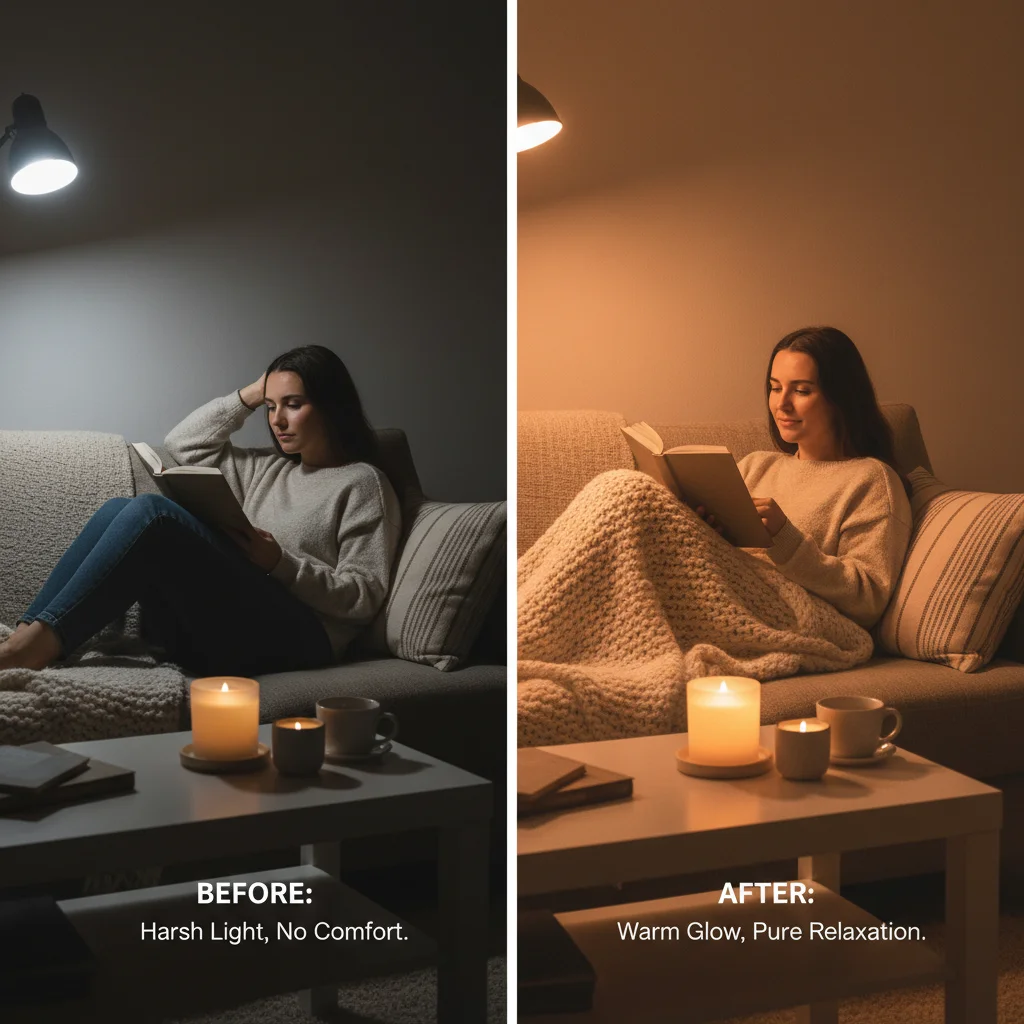
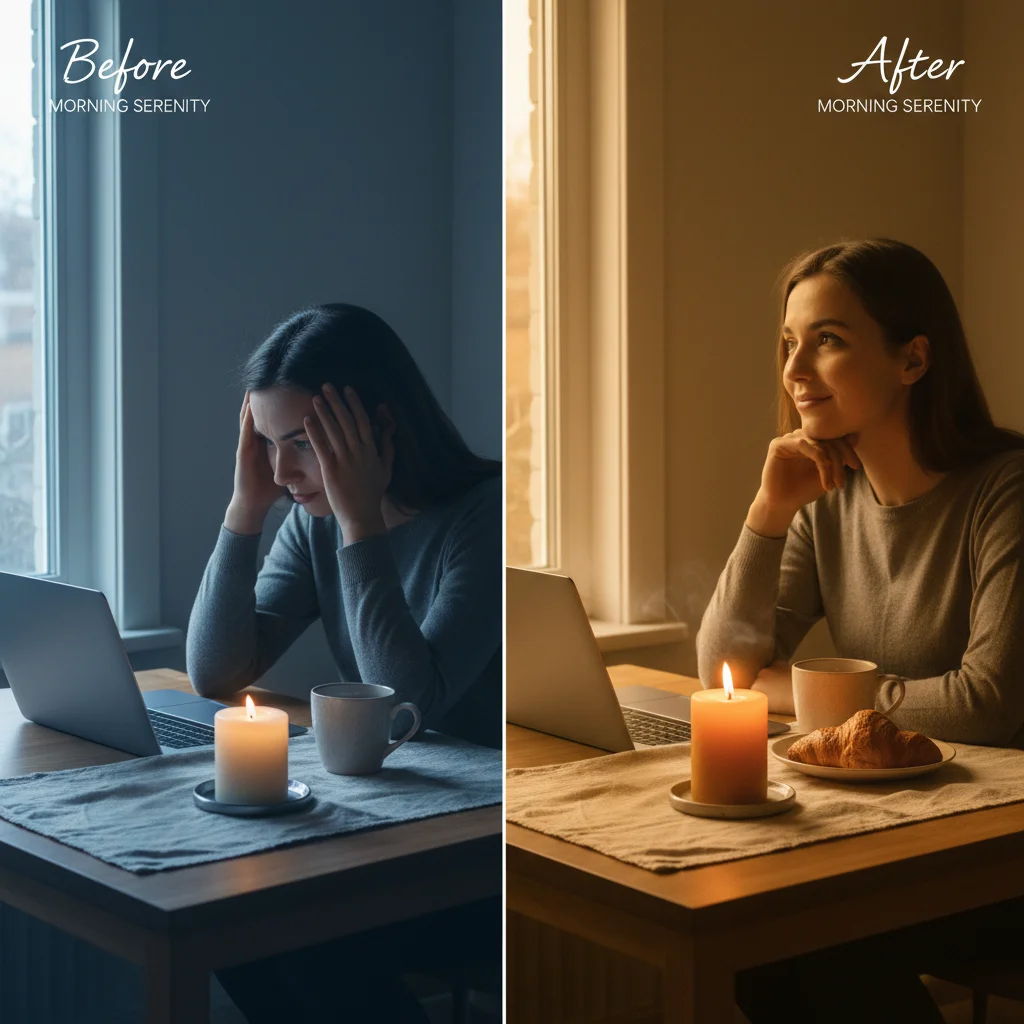
The humanitarian and psychological connection to these products is rooted in the "hygge" philosophy—the creation of a warm, cozy atmosphere to improve mental well-being. By integrating the clarity of crystal with the warmth of fire, these candles help users disconnect from digital stress and reconnect with a tactile, serene environment.
Key Performance Metrics for High-End Candles
Evaluating the quality of crsytal candles requires looking beyond the surface. The most critical metrics include the burn rate (grams per hour), the soot emission level, and the heat resistance of the crystal housing. A superior product will maintain a consistent flame height and a full melt pool, ensuring no "tunneling" occurs, which would otherwise waste a significant portion of the wax.
Additionally, cost-efficiency in the luxury sector is measured by the "experience-per-hour." When comparing a standard paraffin candle to a high-end crystal variant, the latter offers higher value through its reusable vessel and the psychological impact of its light refraction, making it a preferred choice for event planners and interior decorators.
Performance Comparison of Crystal Candle Variations
Real-World Applications in Luxury Spaces
In the hospitality industry, crsytal candles are extensively used in five-star hotel lobbies and luxury spas. The goal is to create a "signature atmosphere" where the visual purity of the candle complements the architectural lines of the space. For instance, in minimalist Nordic designs, a single oversized crystal candle can serve as a powerful focal point, blending functionality with high art.
Beyond commercial use, these products are essential for high-profile event planning. From wedding centerpieces to corporate gala dinners, the ability of these candles to provide an 8-9 hour consistent burn makes them reliable for long ceremonies. They offer a level of dignity and prestige that traditional stick candles cannot match, ensuring the lighting remains flawless from the opening toast to the final dance.
Long-Term Value and Sustainability Benefits
The long-term value of investing in premium crsytal candles extends beyond the immediate burn. Unlike disposable containers, high-quality crystal vessels are designed for longevity. Once the wax is consumed, the containers can be repurposed as glassware, vases, or organizers, aligning with the global move toward a circular economy and reducing the environmental footprint of home decor.
From a social and emotional perspective, the reliability of these products builds trust between the brand and the consumer. When a candle burns cleanly without smoke or dripping, it removes the anxiety associated with fire hazards in a home, allowing the user to focus entirely on the relaxation and sensory benefits. This reliability is a key driver of brand loyalty in the luxury candle market.
Furthermore, the shift toward using sustainable wax blends, such as coconut or beeswax, within crystal containers demonstrates a commitment to innovation. By combining ancient materials (beeswax) with modern aesthetics (crystal), manufacturers provide a product that is both timeless and forward-thinking, ensuring the product remains relevant in an eco-conscious market.
Future Innovations in Crystal Candle Manufacturing
The future of crsytal candles is being shaped by digital transformation and material science. We are seeing the introduction of "smart" wicks that can be adjusted for burn speed and the use of recycled crystal glass that maintains the same refractive index as virgin material. Automation in the pouring process is also reducing air bubbles (voids) in the wax, leading to an even more perfect visual clarity.
Green energy is also playing a role, with factories shifting toward solar-powered manufacturing to lower the carbon footprint of the production cycle. As consumers become more aware of the "cradle-to-grave" journey of their products, the emphasis is shifting toward biodegradable waxes and plastic-free packaging, ensuring that luxury does not equate to waste.
Ultimately, the integration of aromatherapy and scent-layering technology will allow crystal candles to evolve into "wellness tools." Future iterations may feature timed-release fragrances that change as the candle burns, providing a dynamic sensory journey that complements the static beauty of the crystal vessel.
Comparative Analysis of Crystal Candle Production Standards
| Material Grade |
Clarity Index (1-10) |
Thermal Stability |
Market Segment |
| Standard Glass |
6 |
Moderate |
Mass Market |
| Borosilicate |
8 |
High |
Premium Home |
| Lead-Free Crystal |
10 |
Very High |
Ultra-Luxury |
| Recycled Crystal |
9 |
High |
Eco-Luxury |
| Frosted Crystal |
7 |
Moderate |
Boutique Decor |
| Hand-Blown Crystal |
10 |
High |
Artisan/Custom |
FAQS
Crystal candles offer superior light refraction and a contained burn environment. While pillar candles are prone to dripping and uneven melting, crystal candles use a vessel that protects surfaces and enhances the flame's glow through the transparent walls, providing both a cleaner burn and a more luxurious visual impact.
Yes, provided they are made from high-quality, heat-resistant materials like borosilicate glass or lead-free crystal. Premium versions utilize clean-burning paraffin or soy blends that minimize soot and VOC emissions, making them safe for indoor environments when used with standard safety precautions.
To maintain clarity, ensure you trim the wick to 1/4 inch before every light. This prevents the flame from becoming too large, which reduces soot production. Additionally, avoiding drafts will help the candle burn evenly, preventing the wax from overheating the glass walls.
Absolutely. One of the key value propositions of crystal candles is the reusable vessel. You can remove the remaining wax by freezing the container or using warm soapy water, then repurpose the crystal glass as a vase, a makeup brush holder, or a luxury drinking glass.
It depends on your priority. Paraffin blends often provide the best visual clarity and scent throw, which complements the crystal aesthetic. Soy blends are more eco-friendly and burn slower. Many luxury brands now use a "hybrid blend" to achieve both a clean burn and high transparency.
When importing, prioritize suppliers who provide ISO-certified products and "wholesale-ready" packaging. Ensure the shipping method includes reinforced protective inserts to prevent breakage. Working with a manufacturer like Seawell Candle ensures that the products meet international safety and quality standards.
Conclusion
In summary, crsytal candles represent a perfect harmony of chemical engineering and artistic design. By prioritizing material purity—both in the wax and the glass—these products offer a superior alternative to traditional lighting, combining safety, longevity, and an unmatched aesthetic appeal. From their application in luxury hospitality to their role in creating a mindful home environment, they provide tangible value through their clean burn and reusable components.
Looking forward, the evolution of the crystal candle industry will likely be defined by a deeper commitment to sustainability and "smart" scent technologies. For those seeking to elevate their interior spaces or expand a high-end product line, investing in these premium lighting solutions is a strategic move toward quality and elegance. Discover the full range of luxury lighting solutions by visiting our website: www.seawellcandle.com.