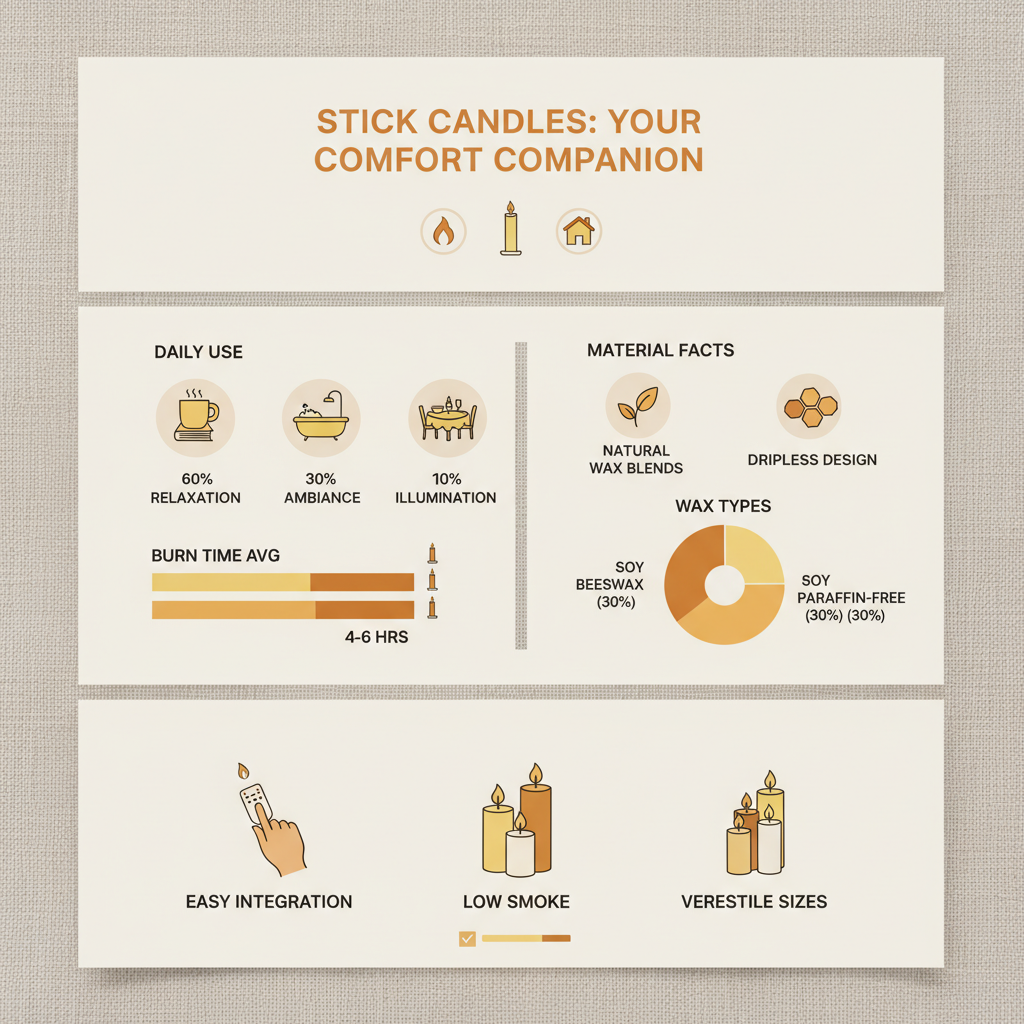
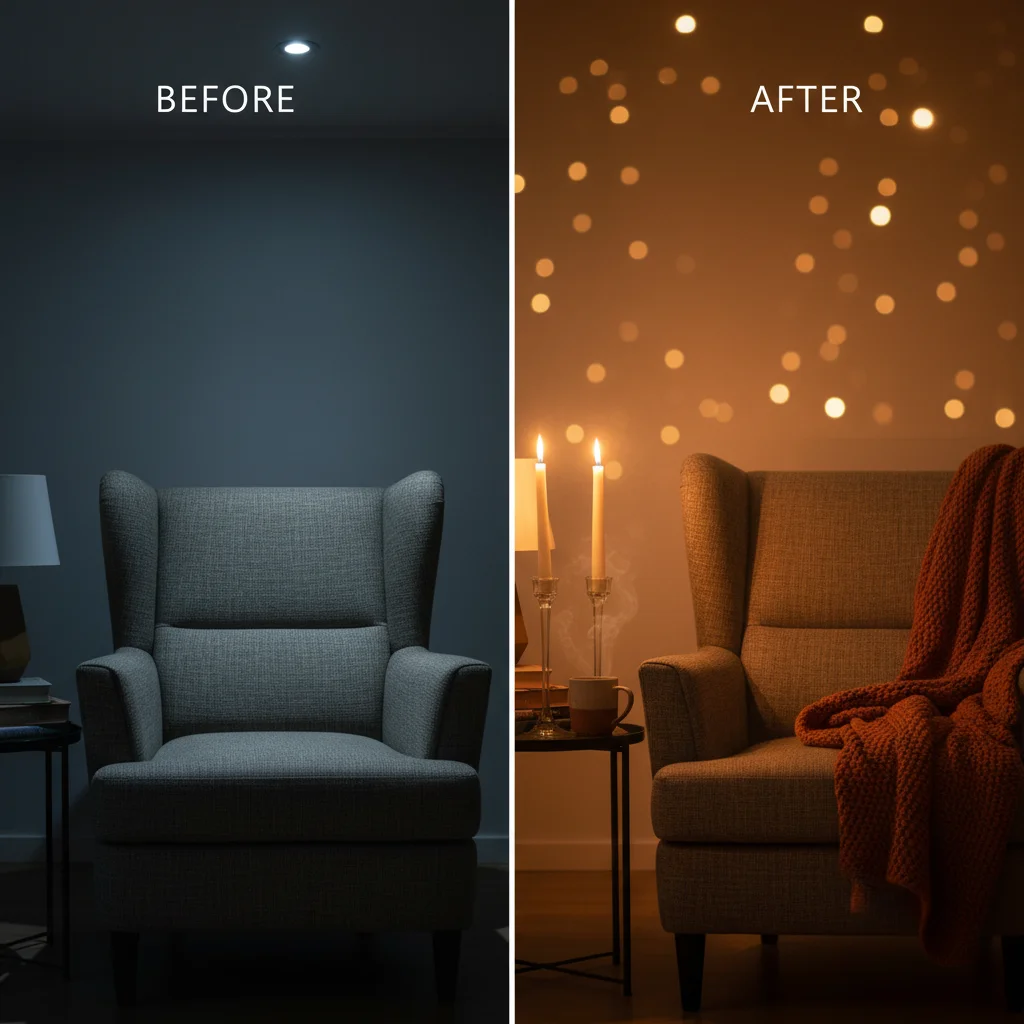
Stick candles, a simple yet versatile lighting solution, have been a cornerstone of human civilization for millennia. From providing illumination in ancient rituals to creating a cozy ambiance in modern homes, their enduring presence speaks to their fundamental utility. Understanding the nuances of stick candles – their composition, safety protocols, and evolving applications – is increasingly important, especially in a world seeking sustainable and reliable light sources. This knowledge empowers consumers, businesses, and even emergency responders to utilize these seemingly basic items effectively and responsibly.
Globally, the demand for candles, including stick candles, remains significant. According to market research, the global candle market was valued at USD 8.13 billion in 2023 and is projected to reach USD 10.88 billion by 2032, exhibiting a CAGR of 3.0% during the forecast period. This sustained demand is driven by factors like increasing disposable incomes, growing home decor trends, and the rising popularity of aromatherapy. However, challenges remain, particularly concerning the environmental impact of paraffin wax and the safety risks associated with open flames.
The humble stick candle offers a reliable and often inexpensive alternative to electric lighting, particularly in regions with limited access to power grids or during emergencies. Their portability, ease of use, and ability to create a warm atmosphere contribute to their continued relevance in both developed and developing nations. From cultural traditions to practical necessities, stick candles continue to hold a valued place in diverse societies.
The Enduring Legacy of stick candles
The history of stick candles stretches back centuries, evolving from rudimentary tallow-based lights to the sophisticated wax formulations we see today. Their consistent form factor – a cylindrical wax core with a wick – allows for broad compatibility with candle holders and simplifies manufacturing processes. This simplicity belies a remarkable adaptability, as stick candles are readily customized with scents, colors, and varying burn times to suit diverse consumer preferences.
Beyond basic illumination, stick candles fulfill important cultural and ceremonial roles. Many religions incorporate candles into their practices, symbolizing hope, remembrance, or spiritual connection. The use of stick candles in rituals provides a sense of continuity with tradition, demonstrating their enduring symbolic power even in a modern world.
Defining Stick Candles: Beyond Simple Illumination
A stick candle, at its most basic, is a cylindrical mass of combustible material – typically wax – with an embedded wick designed to produce light and a gentle warmth when ignited. The “stick” designation refers to its upright, cylindrical shape, differentiating it from other candle forms like tealights or votives. Modern stick candles are frequently crafted from paraffin wax, beeswax, soy wax, or various blends, each offering unique burning characteristics and aesthetic qualities.
Its connection to modern industry stems from its reliable and self-contained nature, making it ideal for emergency lighting, ambiance creation in hospitality settings, and even certain industrial processes requiring localized heat sources. The consistent geometry of stick candles also lends itself to automated manufacturing, facilitating large-scale production and distribution.
Furthermore, the growing emphasis on aromatherapy and wellness has driven innovation in stick candle formulations. Scented stick candles, infused with essential oils, are now widely used to promote relaxation, reduce stress, and create a more inviting atmosphere in homes and businesses.
Core Attributes of High-Quality stick candles
Durability is a key attribute of effective stick candles. This encompasses not only the physical strength of the candle itself (resistance to breakage during handling and transport) but also its burn stability. A high-quality stick candle will burn evenly, without excessive dripping or smoking, maximizing its usable lifespan. Proper wax formulation and wick centering are crucial for achieving optimal durability.
The consistency of the burn is also paramount. A consistent burn rate allows users to accurately predict how long a stick candle will last, ensuring they have adequate illumination for their needs. This predictability is especially important in situations where light is critical, such as during power outages or while creating a specific ambiance. Wick quality and wax density directly impact burn consistency.
Scent throw – the intensity and reach of a candle’s fragrance – is another important factor, particularly for scented stick candles. A desirable scent throw will fill a room without being overpowering, creating a pleasant and inviting atmosphere. The concentration of essential oils and the wax type influence scent throw.
Practical Applications of stick candles
The applications of stick candles are incredibly diverse. They are frequently used in restaurants and hotels to create a romantic or sophisticated ambiance. Their consistent shape allows for easy placement in standard candle holders, streamlining décor and ensuring a uniform aesthetic.
In emergency preparedness kits, stick candles serve as a reliable backup light source during power outages. Their long burn time and relatively low cost make them a practical addition to any emergency plan. They are also often included in survival kits for camping and hiking, providing essential illumination in remote locations.
Stick Candles Performance Metrics
Global Use Cases and Regional Adoption of stick candles
In post-disaster relief operations, stick candles are often included in aid packages to provide immediate lighting for affected communities. Their portability and self-sufficiency make them invaluable in situations where access to electricity is unavailable. Regions prone to natural disasters, like Southeast Asia and the Caribbean, frequently rely on stick candles as a critical emergency resource.
Across Europe, stick candles remain a staple in home décor and hospitality, particularly during the colder months. The Nordic countries, in particular, embrace “hygge,” a concept centered around coziness and comfort, often achieved with the soft glow of stick candles.
The Long-Term Value Proposition of stick candles
The cost-effectiveness of stick candles remains a significant advantage, particularly compared to electric lighting solutions. While the initial cost of a stick candle is modest, its ability to provide hours of illumination makes it a financially sound choice for many consumers. Moreover, the simplicity of stick candles reduces the reliance on complex electrical infrastructure.
From a social impact perspective, stick candles offer a sense of normalcy and comfort during times of crisis. The simple act of lighting a candle can provide a feeling of hope and security in challenging circumstances. Their widespread availability and ease of use contribute to their accessibility for communities in need.
The inherent reliability of stick candles, requiring no external power source, is crucial in areas lacking consistent electricity access. They represent a dependable lighting solution that doesn't rely on complex systems prone to failure.
Innovations and Future Trends in stick candles Technology
The development of bio-based waxes, derived from renewable sources like soy and rapeseed oil, represents a significant step towards more sustainable stick candle production. These alternatives reduce reliance on finite fossil fuels and minimize the environmental impact of candle manufacturing.
Research into wick technology is also underway, with the goal of creating wicks that burn cleaner and more efficiently. Self-trimming wicks, designed to maintain optimal burn performance without manual intervention, are gaining traction.
Furthermore, the integration of smart technology, such as timed shut-off mechanisms and scent diffusion controls, is beginning to emerge in the stick candle market, enhancing safety and user experience.
Summary of Stick Candle Innovation Landscape
| Innovation Category |
Development Stage |
Potential Impact |
Adoption Rate |
| Bio-Based Waxes |
Commercialized |
Reduced carbon footprint |
6/10 |
| Self-Trimming Wicks |
Prototype/Testing |
Improved burn efficiency |
4/10 |
| Scent Diffusion Control |
Concept/Research |
Customizable fragrance levels |
2/10 |
| Automated Shut-Off Mechanisms |
Prototype/Testing |
Enhanced safety features |
5/10 |
| Wax Blend Optimization |
Commercialized |
Improved burn time and scent throw |
7/10 |
| Smart Candle Holders |
Concept/Research |
Integration with home automation systems |
1/10 |
FAQS
Stick candles are traditionally made from paraffin wax, a byproduct of petroleum refining. However, increasing awareness of environmental concerns has led to the rise of eco-friendly alternatives, such as soy wax, beeswax, and coconut wax. These plant-based waxes are renewable, biodegradable, and produce less soot when burned. Choosing candles made from these materials reduces your environmental impact and supports sustainable practices.
Safety is paramount when burning stick candles. Always place candles on a stable, heat-resistant surface, away from flammable materials. Never leave a burning candle unattended and keep it out of reach of children and pets. Trim the wick to ¼ inch before each use to prevent smoking and flickering. Avoid drafts, which can cause uneven burning and potential hazards.
Paraffin wax is the most common and affordable option, but it’s derived from petroleum. Soy wax is a renewable, plant-based alternative that burns cleaner. Beeswax is a natural wax produced by bees, known for its subtle honey scent and long burn time. Each wax type offers different characteristics in terms of scent throw, burn time, and environmental impact.
Choosing the correct wick size is crucial for optimal candle performance. A wick that’s too small will produce a small flame and tunnel down the center of the candle, while a wick that’s too large will create a large flame, excessive soot, and potentially a fire hazard. Wick size depends on the diameter of the candle and the type of wax used. Consult wick sizing charts or manufacturer recommendations for guidance.
Scented stick candles can trigger allergic reactions or sensitivities in some individuals. If you have allergies, choose candles scented with natural essential oils rather than synthetic fragrances. Look for candles that are labeled as hypoallergenic or phthalate-free. It’s also advisable to test a small area before burning a scented candle for an extended period.
The burn time of a stick candle varies depending on its size, the type of wax used, and the wick size. A standard-sized stick candle (approximately 6-8 inches tall and 1 inch in diameter) typically burns for 20-30 hours. Beeswax candles generally have the longest burn time, followed by soy wax, and then paraffin wax.
Conclusion
Throughout this exploration, we’ve highlighted the enduring relevance of stick candles, extending far beyond simple illumination. From their historical significance and diverse applications to the ongoing innovations in sustainable materials and safety features, stick candles continue to adapt and maintain their valued position in modern life. Their cost-effectiveness, reliability, and versatility make them an indispensable resource for homes, businesses, and emergency preparedness scenarios.
Looking ahead, the future of stick candles lies in embracing eco-friendly practices, incorporating smart technologies, and prioritizing user safety. By supporting manufacturers who prioritize sustainability and investing in responsible candle-burning habits, we can ensure that these timeless light sources continue to brighten our lives for generations to come. Visit our website to explore our range of high-quality stick candles and discover the perfect lighting solution for your needs.