The gentle flicker of a wax candle has illuminated human history for millennia, evolving from a basic source of light to a symbol of ambiance, spirituality, and even emergency preparedness. Today, the seemingly simple wax candle represents a fascinating intersection of chemistry, artistry, and practical application, impacting industries from home décor to disaster relief. Understanding the nuances of wax candle production, types, and applications is increasingly relevant in a world seeking sustainable, reliable, and aesthetically pleasing lighting solutions.
Globally, the demand for candles remains substantial, with a market valued at billions of dollars annually. According to recent industry reports, the home fragrance market, largely driven by scented wax candles, is experiencing significant growth, particularly in emerging economies. However, the industry also faces challenges regarding sustainability, sourcing of materials, and the environmental impact of manufacturing processes. Addressing these concerns is critical to ensuring the long-term viability and ethical production of wax candles worldwide.
The enduring appeal of the wax candle stems from its unique ability to provide light, warmth, and a comforting atmosphere independently of electrical infrastructure. This makes it an invaluable resource in situations where power is unavailable, like during natural disasters or in remote locations. Moreover, the rising popularity of aromatherapy and the desire for mindful living have further fueled the demand for wax candles, contributing to a renewed appreciation for this time-honored tradition.
The Composition and Types of wax candle
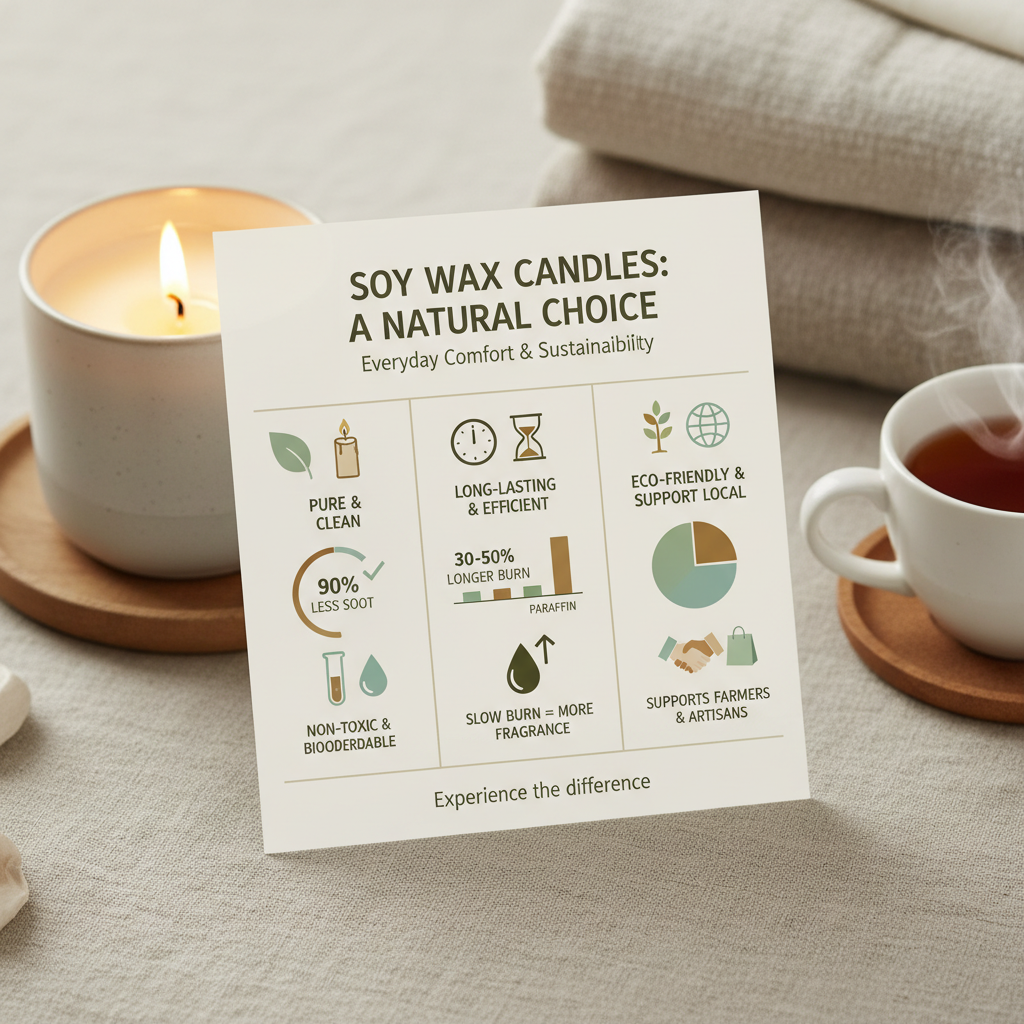
At its core, a wax candle consists of a fuel source—typically wax—and a wick. The wax provides the fuel, drawn up the wick by capillary action where it vaporizes and combusts, creating the flame. Different types of wax influence burn time, scent throw, and overall candle quality. Paraffin wax, a byproduct of petroleum refining, is the most commonly used due to its affordability, but soy wax, beeswax, and palm wax are gaining popularity as more sustainable alternatives.
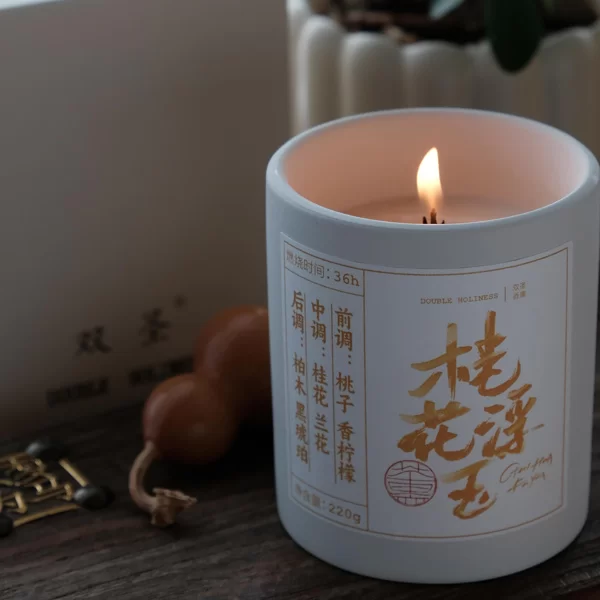
Beyond the wax itself, the type of wick plays a crucial role. Cotton wicks are traditional, while wood wicks are favored for their crackling sound and unique aesthetic. The size and construction of the wick must be carefully matched to the wax type and diameter of the wax candle to ensure a clean, even burn. The addition of fragrances and dyes further diversifies the types of wax candles available, catering to a wide range of consumer preferences.
Historical Development of wax candle
The earliest precursors to the wax candle date back to ancient civilizations, with the Egyptians using rushlights and the Romans crafting tallow candles from animal fat. These early forms of illumination were smoky and odorous, but they provided a vital source of light before the advent of electricity. Beeswax wax candles emerged as a cleaner-burning alternative, reserved for religious ceremonies and the wealthy due to their higher cost.
The 19th century witnessed significant advancements in wax candle making with the introduction of spermaceti, a wax derived from sperm whales, and eventually paraffin wax, a byproduct of petroleum refining. Paraffin wax revolutionized the industry, making wax candles affordable and accessible to the masses. The invention of the mechanized wick-making machine further streamlined production, solidifying the wax candle’s place in daily life.
Despite the widespread adoption of electric lighting, the wax candle has experienced a resurgence in popularity in recent decades, evolving beyond a mere functional object to become a symbol of ambiance, relaxation, and mindful living. Modern wax candles are now often prized for their aesthetic appeal and therapeutic benefits, rather than solely for illumination.
The Science Behind a Perfect Burn of wax candle
Achieving a “perfect burn” in a wax candle – meaning a clean, even melt pool across the surface without tunneling or excessive soot – relies on a delicate balance of several scientific principles. Capillary action is fundamental; the wick draws molten wax upwards, and the rate of this draw is determined by the wick's size, material, and the wax's viscosity.
The ideal melt pool should reach the edges of the wax candle container during the first burn. This establishes a “memory ring,” guiding subsequent burns to melt evenly. Factors like air currents, wick centering, and the quality of the wax itself can all disrupt this process. Soot production is minimized when the wax is fully vaporized and combusted, relying on sufficient oxygen supply and a properly sized wick.
Understanding the flash point of the fragrance oil added to the wax candle is also crucial. If the flash point is exceeded during heating, the fragrance can evaporate prematurely, reducing the scent throw. Similarly, the melting point of the wax itself influences the burn rate and overall candle performance.
Factors Influencing the Quality of wax candle
The quality of a wax candle is determined by a confluence of factors, starting with the raw materials. The type of wax, as discussed previously, significantly impacts burn time, scent throw, and sustainability. Higher-quality waxes, like beeswax and soy wax, tend to burn cleaner and longer, though they may come at a higher cost.
Wick selection is equally important, as an improperly sized or constructed wick can lead to tunneling, smoking, or a weak flame. Fragrance oil quality and concentration also play a vital role; premium fragrance oils provide a stronger, more nuanced scent, while lower-grade oils may fade quickly or produce an unpleasant odor.
Global Applications and Market Trends of wax candle
The global wax candle market is multifaceted, spanning home fragrance, religious practices, and emergency lighting. North America and Europe represent the largest consumer markets, driven by lifestyle trends and disposable income. However, Asia-Pacific is experiencing rapid growth due to increasing urbanization and a rising middle class.
Scented wax candles are particularly popular in developed countries, fueled by the aromatherapy movement and a desire for personalized home environments. In many cultures, wax candles hold significant religious or ceremonial importance, used in rituals and celebrations. Furthermore, the demand for wax candles as a backup light source remains strong in regions prone to power outages or natural disasters.
The Advantages of Using wax candle
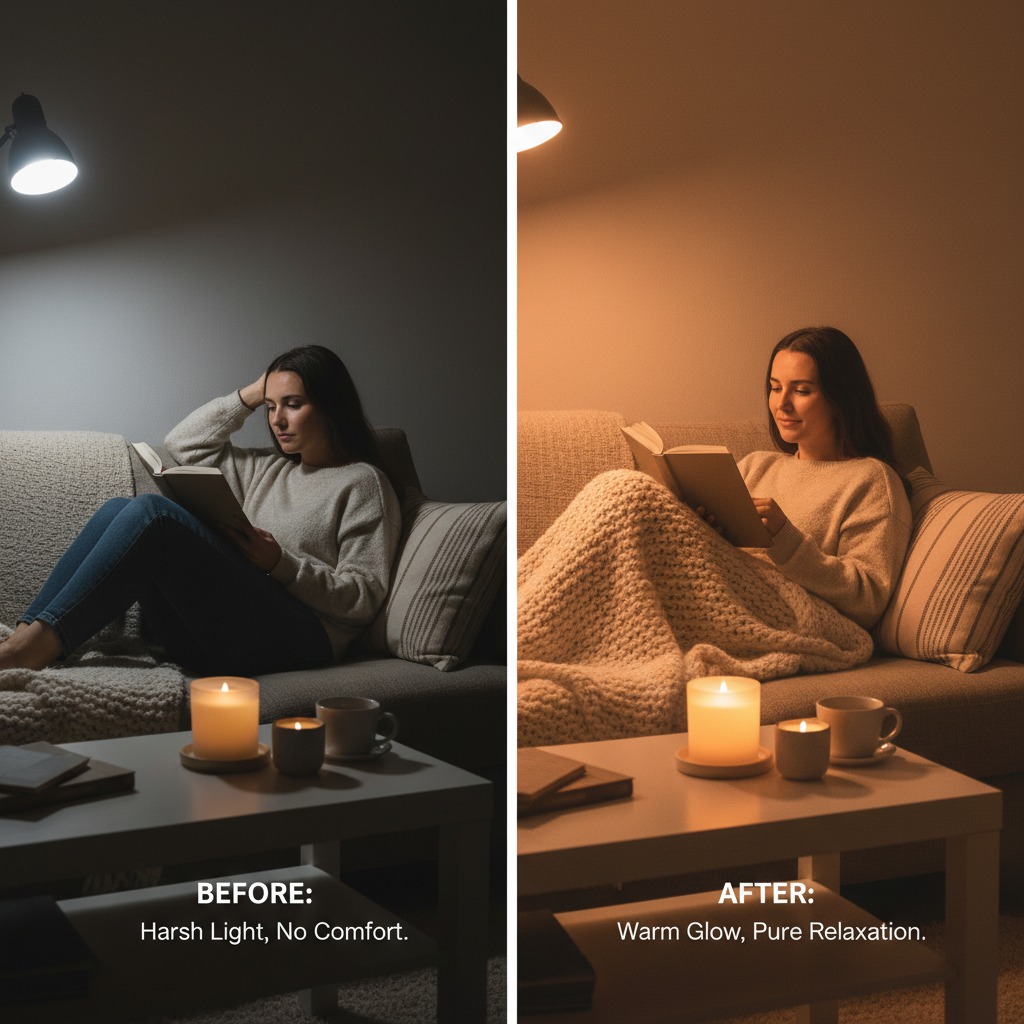
Beyond their aesthetic appeal, wax candles offer a range of advantages. They provide a warm, inviting ambiance without the need for electricity, making them ideal for creating a relaxing atmosphere. Unlike electric lighting, wax candles don’t emit blue light, which can interfere with sleep patterns.
In emergency situations, wax candles offer a reliable source of light when power is unavailable. Furthermore, scented wax candles can promote relaxation and reduce stress through aromatherapy, contributing to overall well-being. The relatively low cost of wax candles makes them an accessible form of home décor and personal comfort.
The long-lasting, slow-burning nature of some wax candles, especially those made with beeswax or soy wax, make them a cost-effective lighting option when used responsibly.
Sustainability and Future Innovations in wax candle Production
Sustainability is becoming increasingly paramount in the wax candle industry. Concerns over the environmental impact of paraffin wax, derived from petroleum, are driving demand for renewable alternatives like soy wax, beeswax, and coconut wax. Ethical sourcing of raw materials and eco-friendly packaging are also gaining prominence.
Innovations in wick technology are focused on creating cleaner-burning wicks that minimize soot and maximize fragrance throw. Research into bio-based waxes and sustainable fragrance oils is ongoing, aiming to further reduce the environmental footprint of wax candle production. Digitalization is also playing a role, with automated manufacturing processes improving efficiency and reducing waste.
The development of smart wax candles, featuring integrated timers or scent diffusion controls, represents another emerging trend, catering to the growing demand for convenience and personalized experiences.
FAQS
Paraffin wax is a petroleum byproduct, offering affordability but with potential soot. Soy wax is plant-based, burns cleaner, and has a longer burn time, but may have a weaker scent throw. Beeswax is a natural wax produced by bees, burns the cleanest, and has a subtle honey scent, but is the most expensive option. Each type offers a unique balance of cost, performance, and environmental impact.
Tunneling occurs when a candle burns down the center, leaving wax around the edges. To prevent this, allow the wax candle to burn long enough on the first burn to create a full melt pool across the surface. Avoid drafts and ensure the wick is centered.
Some fragrance oils can be harmful to pets, particularly birds and small animals. Choose candles made with natural essential oils and ensure proper ventilation. Never leave a burning wax candle unattended around pets.
The safest way to extinguish a wax candle is with a snuffer, which prevents smoke and splattering. Avoid blowing it out directly, as this can cause hot wax to splatter and create smoke. Never use water to extinguish a wax candle.
To maximize scent throw, ensure the wax candle is burned in a well-ventilated room and allow the wax to fully melt to the edges during the first burn. The size of the room also affects scent throw; larger rooms may require multiple wax candles.
Unburned wax candles can last for years if stored properly in a cool, dark, and dry place. However, scented wax candles may lose some of their fragrance over time. Once burned, the shelf life is not a concern, but proper care during burning is essential.
Conclusion
From its ancient origins to its modern resurgence, the wax candle continues to hold a unique place in human culture. Its ability to provide light, warmth, ambiance, and even therapeutic benefits ensures its enduring appeal. Understanding the science behind a perfect burn, the factors influencing quality, and the evolving sustainability landscape are crucial for both consumers and manufacturers.
As we look to the future, continued innovation in wax materials, wick technology, and scent formulations will further enhance the wax candle experience. By prioritizing sustainability and responsible sourcing, we can ensure that this time-honored tradition continues to illuminate our lives for generations to come. Visit our website to explore a curated collection of premium wax candles: www.seawellcandle.com