In an era where conscious consumerism is reshaping the home fragrance market, natural candles have emerged as more than just a lighting alternative; they are a statement of health and environmental responsibility. By shifting away from petroleum-based waxes, users are discovering a cleaner way to create ambiance, reduce indoor air pollution, and support sustainable agriculture.
The global transition toward organic living has placed a spotlight on the ingredients found in our daily necessities. Traditional paraffin candles, while affordable, often release volatile organic compounds (VOCs) that can irritate the respiratory system. In contrast, options derived from beeswax, soy, or coconut offer a biodegradable and non-toxic profile that aligns with the modern pursuit of a "green" home.
Understanding the nuances of natural candles allows consumers and businesses alike to make informed choices that balance luxury with ecology. Whether it is the structural integrity of a Beeswax Pillar Candle or the subtle scent throw of a Scented Candle, the move toward nature-based materials is a critical step in reducing our collective carbon footprint.

The Global Evolution of Natural Candles
The trajectory of the candle industry has shifted dramatically over the last decade. Once viewed as mere utility items for illumination, natural candles have transitioned into the wellness and luxury decor sectors. This shift is mirrored in global trade data, where the demand for biodegradable waxes has seen a steady uptick, driven by ISO standards regarding indoor air quality and a growing awareness of petrochemical byproducts.
In Western markets, the surge is linked to the "Clean Beauty" and "Clean Home" movements, while in Asian markets, there is a renewed interest in traditional beeswax and plant-based tallow. This global convergence emphasizes a universal desire to return to organic materials that provide the same aesthetic pleasure as synthetic alternatives without the associated health risks.
Defining the Pure Essence of Natural Wax
At its core, natural candles refer to lighting products crafted from waxes derived from renewable biological sources rather than petroleum. This include beeswax, produced by honeybees; soy wax, derived from soybean oil; and coconut or palm waxes. Unlike paraffin, which is a byproduct of oil refining, these waxes are biodegradable and generally carbon-neutral.
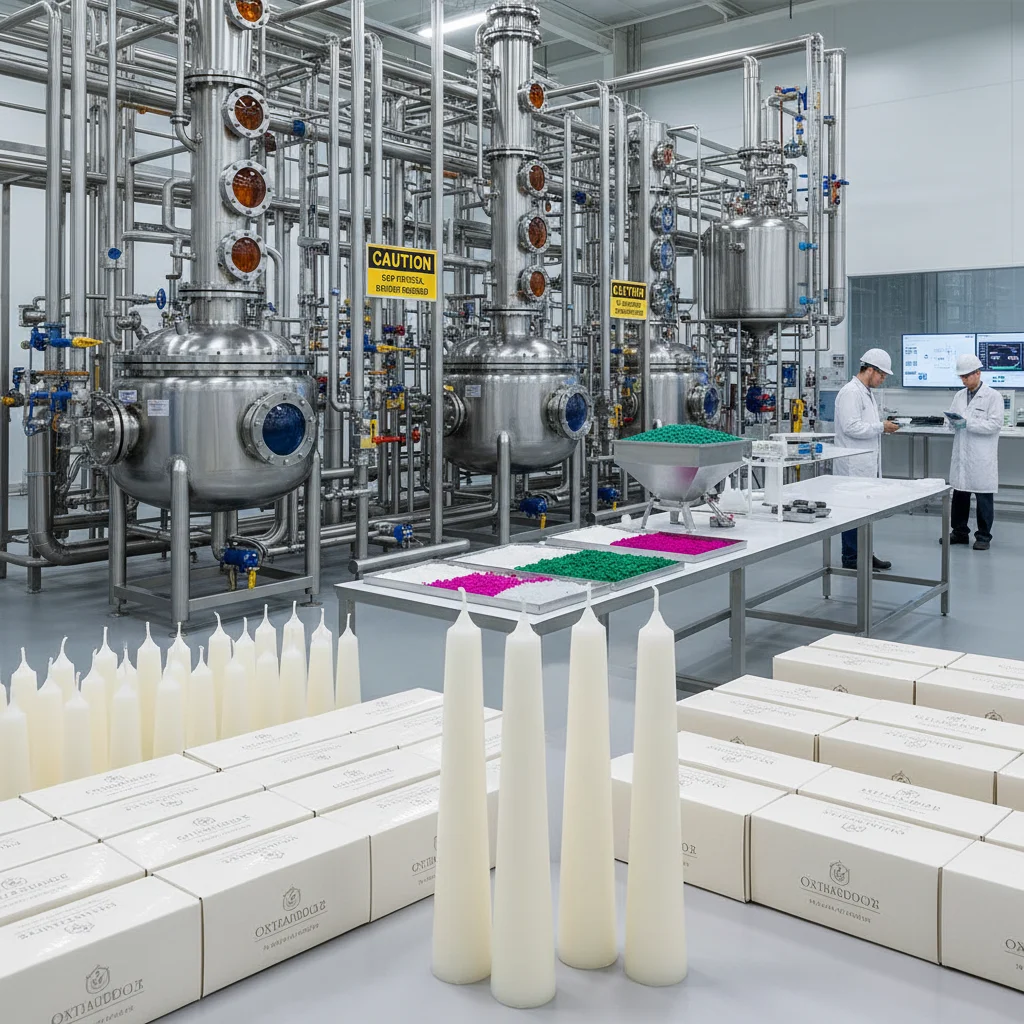
The connection to modern industry lies in the intersection of chemical engineering and environmental ethics. Today's manufacturing processes focus on purifying these natural lipids to ensure a clean burn, a stable fragrance throw, and a consistent melt pool. This transformation ensures that "natural" does not mean "primitive," but rather "scientifically optimized for sustainability."
From a humanitarian and health perspective, these products address the critical issue of indoor air pollution. In densely populated urban areas where ventilation is limited, utilizing non-toxic waxes reduces the load of soot and chemicals in the air, making them an essential choice for families with children or pets.
Core Components for High-Performance Natural Candles
The effectiveness of natural candles depends heavily on the synergy between the wax base and the wick. A high-quality Beeswax Pillar Candle, for instance, requires a thicker, cotton-core wick to support its higher melting point and ensure a steady, flicker-free flame.
Sustainability and purity are the non-negotiable pillars of this industry. For a candle to be truly "natural," it must avoid synthetic dyes and paraffin blends. The use of pure essential oils instead of phthalate-laden fragrances ensures that the aromatic experience enhances well-being rather than compromising it.
Durability and burn rate are also key technical factors. Plant-based waxes often burn slower than paraffin, providing a longer-lasting experience. This cost-efficiency, combined with the ability to be molded into various shapes—from Tapered Candles to Tealight Candles—makes natural wax a versatile medium for both art and utility.
Practical Applications and Use Case Analysis
The application of natural candles extends far beyond simple home fragrance. In the hospitality industry, luxury resorts use Ceramic Container Candles and Scented Candles to create an eco-conscious atmosphere that appeals to high-net-worth travelers who value organic certifications.
In therapeutic and wellness contexts, such as aromatherapy clinics or meditation centers, the use of Beeswax Tapered Candles is preferred for their natural honey scent and negative ion release, which is believed to purify the air. Similarly, in remote areas where electricity is unstable, the longevity and safety of high-grade natural pillar candles provide a reliable light source without the toxic fumes of cheap substitutes.
Comparative Performance of Natural Wax Types
Tangible Advantages and Long-Term Ecological Value
The most immediate benefit of switching to natural candles is the improvement in air quality. By eliminating toluene and benzene—common in paraffin—users experience fewer headaches and respiratory irritations. This logical shift toward safety is paired with an emotional sense of dignity; knowing that your home's warmth doesn't come at the cost of the planet's health.
From a long-term value perspective, natural waxes support biodiversity. For example, sourcing beeswax encourages the maintenance of healthy bee populations, which are vital for global pollination. This creates a circular economy where the purchase of a simple Glass Container Candle contributes to the preservation of an entire ecosystem, turning a consumer purchase into an act of environmental stewardship.
Future Trends in Sustainable Candle Manufacturing
The future of natural candles is being shaped by biotechnology. We are seeing the emergence of lab-grown waxes and algae-based lipids that mimic the properties of beeswax without requiring animal intervention. This "vegan-natural" hybrid approach is set to dominate the market as plant-based diets expand into home care.
Automation and digital transformation are also playing a role. Precision molding technology now allows for "Shaped Candles" with intricate designs that maintain structural integrity using 100% natural wax, a feat previously only possible with synthetic hardeners. This marriage of tech and nature allows for higher creativity without ecological compromise.
Furthermore, the move toward "zero-waste" packaging is integrating with the product itself. We expect to see more Tin Container Candles designed for infinite reuse or compostable containers made from mushroom mycelium, ensuring that the entire lifecycle of the candle is carbon-neutral.
Overcoming Technical Challenges in Natural Formulations
Despite their benefits, natural candles face certain technical hurdles. One common issue is "frosting"—the crystallization of soy wax that creates a white, powdery look on the surface. While harmless, it can be perceived as a defect by consumers accustomed to the plastic-smooth finish of paraffin.
Another challenge is the "scent throw." Natural waxes typically have a lower fragrance load capacity than synthetics. Expert formulators overcome this by using a blend of different natural waxes—such as mixing coconut wax into soy—to create a more receptive matrix for essential oils, thereby enhancing the aroma without adding chemicals.
Finally, maintaining the structural rigidity of "Stick Candles" or "Tapered Candles" using only natural materials requires precise temperature control during the cooling process. By implementing slow-cooling chambers, manufacturers can prevent shrinkage and cracking, ensuring a professional-grade product.
Comparative Analysis of Natural Wax Formulations and Performance
| Wax Type |
Burn Duration |
Fragrance Throw |
Eco-Impact Score |
| Pure Beeswax |
Excellent (Slow) |
Mild (Natural) |
10/10 |
| 100% Soy Wax |
Very Good |
Moderate |
9/10 |
| Coconut Wax |
Good |
Excellent |
8/10 |
| Palm Wax |
Good |
Moderate |
6/10 |
| Soy-Coconut Blend |
Excellent |
Very Good |
9/10 |
| Beeswax-Soy Blend |
Excellent |
Good |
10/10 |
FAQS
Yes, natural candles made from beeswax or soy do not release the paraffin-based pollutants like toluene and benzene. This means they produce significantly less soot and are safer for individuals with asthma or chemical sensitivities, making them a healthier choice for long-term indoor use.
Generally, yes. Natural waxes, particularly beeswax and soy, have a higher melting point and a denser molecular structure, which leads to a slower burn rate. This means a natural pillar candle will often provide more hours of light than a paraffin candle of the same size.
Frosting is a natural characteristic of soy wax. It occurs when the wax crystallizes as it cools. It is not a sign of poor quality or contamination but rather a testament to the purity of the wax, as synthetic additives are usually used in paraffin to prevent this.
While paraffin holds fragrance more aggressively, natural candles can achieve a beautiful, sophisticated scent throw when blended correctly. Using coconut wax blends or high-grade essential oils allows for a clean, natural aroma that fills a room without being overwhelming or toxic.
Beeswax is highly sustainable as it is a byproduct of honey production and supports bee conservation. However, soy and coconut are also excellent, provided they are sourced from non-GMO and deforestation-free farms. The "most sustainable" choice often depends on the specific sourcing certifications.
The key is to trim the wick to about 1/4 inch before every light. This prevents the flame from becoming too large, which reduces soot and ensures the wax melts evenly across the surface, preventing "tunneling" and maximizing the life of the candle.
Conclusion
The shift toward natural candles represents a broader movement toward mindful living and environmental accountability. By integrating high-performance biological waxes with sustainable manufacturing practices, we can enjoy the timeless ritual of candlelight without compromising our health or the planet. From the structural brilliance of beeswax pillars to the aromatic serenity of coconut blends, these products prove that luxury and ecology can coexist.
As we look to the future, the continued innovation in bio-materials and zero-waste packaging will further solidify the role of natural waxes in the global market. We encourage consumers and businesses to prioritize transparency in ingredients and support ethical sourcing. To explore our full range of sustainable lighting solutions, visit our website: www.seawellcandle.com