Number candles have evolved from simple wax markers into essential cultural artifacts that define how we celebrate milestones and achievements globally. Whether it is a child's first birthday or a centenary anniversary, these specialized candles transform a standard cake into a personalized narrative of time and growth. The global demand for number candles reflects a universal human desire to quantify and honor the passage of time with light and warmth.
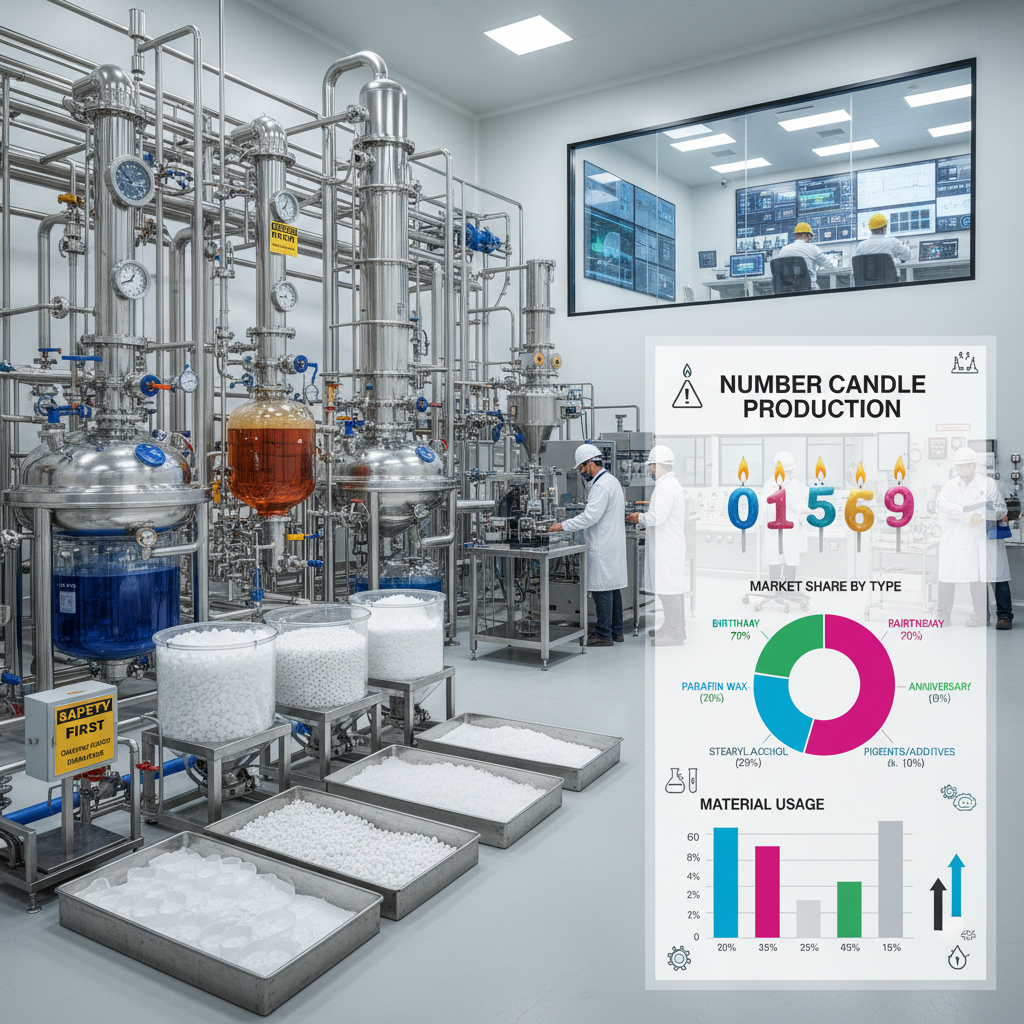
From a manufacturing perspective, the production of numeral-shaped wax products requires a delicate balance of structural integrity and aesthetic precision. Unlike standard pillar or taper candles, number candles must maintain their form while burning, ensuring that the digit remains recognizable as it melts. This necessitates advanced molding techniques and specific wax blends that can withstand the unique heat distribution patterns inherent in non-cylindrical shapes.
Understanding the technical and emotional value of these products allows consumers and wholesalers to choose options that are not only visually appealing but also safe and sustainable. As the industry shifts toward eco-friendly materials, the evolution of number candles mirrors a broader global commitment to reducing paraffin reliance in favor of natural waxes and non-toxic dyes, ensuring that celebrations remain joyful and environmentally responsible.
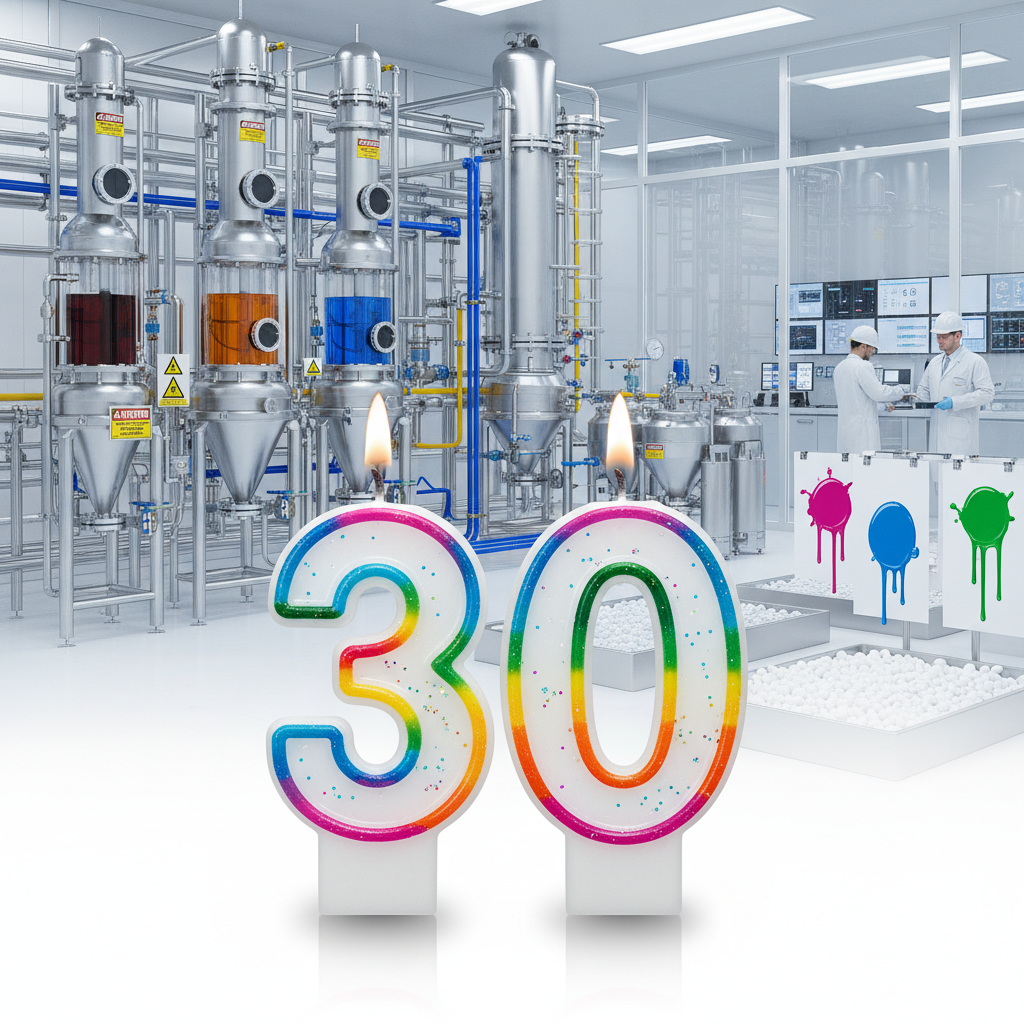
The Global Significance of Number Candles
Across diverse cultures, the act of placing number candles on a cake is more than a decoration; it is a ritual of recognition. In North America and Europe, these candles are staples of the party supply industry, while in emerging markets across Asia and Latin America, they are becoming symbols of modernized celebration. The psychological impact of seeing one's age illuminated in wax creates a focal point for the celebration, grounding the event in a specific moment of time.
From a market perspective, the industry is governed by rigorous safety standards, such as those outlined by ISO and ASTM, to prevent flare-ups or toxic emissions. As global celebrations increase in frequency—driven by a growing middle class and the "experience economy"—the demand for high-precision, visually striking number candles has surged, pushing manufacturers to innovate in both color science and wax stability.
Defining the Engineering of Numeral Candles
At its core, a number candle is a molded wax product designed to maintain a specific numeric geometry while undergoing combustion. Unlike a standard cylindrical candle, where the heat is distributed evenly around a center point, numeral shapes have varying thicknesses and sharp angles. This requires the use of specialized paraffin or beeswax blends that possess a higher melting point and greater structural rigidity to prevent the "number" from collapsing prematurely.
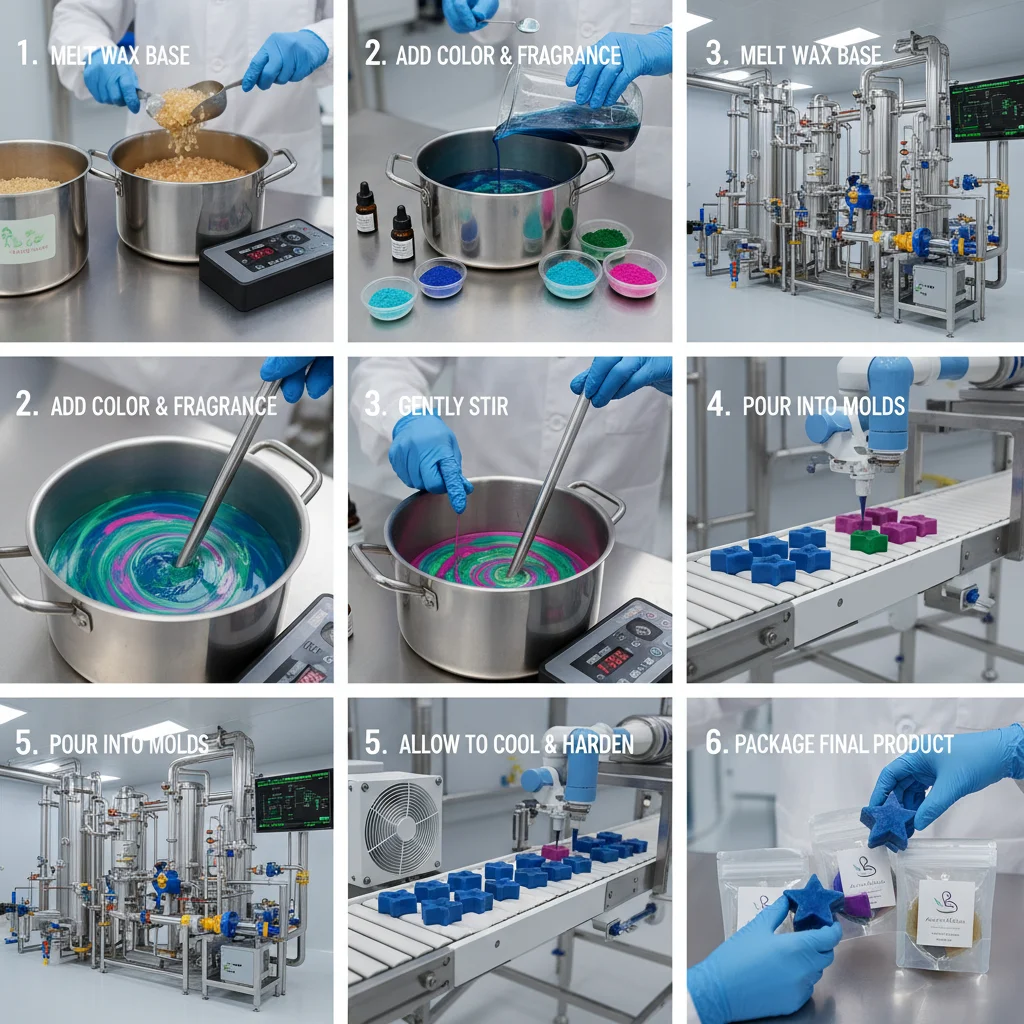
In the modern chemical manufacturing industry, these candles are produced using high-pressure injection molding or precision casting. The goal is to eliminate air bubbles and "sink marks" that could lead to uneven burning or flickering. By controlling the cooling rate of the wax, engineers ensure that the number candles maintain sharp edges and vibrant colors, meeting the high aesthetic expectations of the consumer market.
Beyond the wax, the wick placement is the most critical engineering challenge. Because number shapes are asymmetrical, the wick must be perfectly centered within the narrowest part of the numeral to ensure a steady flame. If the wick is off-center, the candle will "tunnel" or lean, potentially causing the wax to drip excessively onto the cake or, in worst-case scenarios, creating a fire hazard.
Core Components of High-Quality Number Candles
The first pillar of quality in number candles is the purity of the base material. Premium manufacturers utilize a blend of refined paraffin and stearin, which increases the hardness of the candle and prevents deformation during transport in hot climates. This material stability ensures that the number "1" doesn't bend and the number "8" doesn't merge into a blob before the celebration even begins.
Secondly, the integration of non-toxic, UV-resistant pigments is essential for maintaining the visual appeal of the product. High-grade number candles utilize oil-soluble dyes that are evenly dispersed throughout the wax, preventing "streaking" or fading. This is particularly important for metallic or glitter-infused candles, where the coating must adhere firmly to the wax surface without peeling or smelling chemically when lit.
Finally, the wick composition determines the overall safety and performance. High-quality number candles employ lead-free, cotton-core wicks, often treated with a natural binder to ensure a consistent burn rate. This prevents the flame from becoming too large for the narrow geometry of the numeral, minimizing smoke production and ensuring that the birthday wish is made in a clean, soot-free environment.
Practical Applications and Market Demand
While birthday parties are the primary driver, number candles are increasingly used in corporate anniversaries, store openings, and "milestone" marketing campaigns. For instance, a brand celebrating its 10th year in business will often use oversized numeral candles as a centerpiece for press photos and social media content, leveraging the visual power of the number to communicate stability and longevity to their clients.
Geographically, the demand varies by cultural tradition. In regions where elaborate cake decorating is a professional industry, there is a higher demand for "premium" number candles with intricate patterns or edible glitter. In contrast, mass-market retail sectors prioritize cost-efficiency and variety, requiring manufacturers to produce wide arrays of colors and sizes that can be distributed globally in bulk.
Performance Analysis of Different Number Candles Types
Tangible Benefits and Long-Term Value
The primary advantage of using professional number candles over traditional sticks is the immediate clarity of communication. A single numeral conveys the exact age or anniversary, eliminating the need for 50+ individual candles which can overheat a cake and create a hazardous amount of wax runoff. This efficiency not only saves time during party preparation but also enhances the safety of the environment.
Beyond the logic of convenience, there is a significant emotional value. For parents, the transition from the number "1" to "2" is a tangible marker of their child's growth. For companies, the jump from a single-digit to a double-digit anniversary represents a transition from a "startup" to an "established" entity. By providing high-quality, aesthetically pleasing numeral candles, manufacturers help facilitate these emotional milestones with a sense of dignity and celebration.
Future Innovations in Celebration Lighting
The future of number candles is leaning heavily toward sustainability and "smart" materials. We are seeing a transition toward 100% biodegradable soy and beeswax bases that eliminate the petroleum-based footprints of traditional paraffin. These eco-friendly options not only burn cleaner but also appeal to the growing demographic of environmentally conscious consumers who refuse to compromise on celebration quality.
Technological integration is also appearing in the form of "sparkle-core" number candles, which incorporate safe, slow-burning pyrotechnic elements that create a fountain effect without the danger of traditional fireworks. These innovations are designed to maximize the "Instagrammable" moment, providing a visual spectacle that is perfectly timed for short-form video capture, thereby increasing the product's value in the digital age.
Furthermore, automation in 3D wax printing is beginning to enter the prototype phase. This would allow for completely customized numeral shapes—such as candles that incorporate a person's name into the number—offering a level of personalization previously impossible with standard injection molds. This shift toward mass-customization will likely redefine the luxury segment of the celebration market.
Overcoming Manufacturing Challenges
One of the most persistent challenges in producing number candles is the issue of "warping" during the cooling process. Because a number "4" has different thermal mass than a number "0", they cool at different rates, which can lead to internal stresses and cracking. To solve this, expert manufacturers implement precision-controlled cooling tunnels that regulate the temperature drop in increments, ensuring structural uniformity.
Another hurdle is the consistency of the burn rate across different numerals. A thin number "1" may burn through much faster than a thick number "8". To overcome this, engineers adjust the wick thickness (gauge) specifically for each numeral. By tailoring the fuel-to-oxygen ratio for each specific shape, manufacturers can ensure that all candles on a cake burn at a relatively similar pace.
Finally, the industry struggles with the balance between vivid color and chemical safety. Some bright dyes can produce acrid smoke when heated. The solution lies in the adoption of pharmaceutical-grade pigments and the elimination of phthalates. By investing in rigorous laboratory testing and adhering to global safety certifications, manufacturers can provide a product that is both visually stunning and safe for use around food and children.
Comparative Analysis of Number Candle Production Standards
|
Material Grade
|
Burn Stability
|
Color Vibrancy
|
Eco-Rating (1-10)
|
|
Standard Paraffin
|
Moderate
|
High
|
4
|
|
Refined Paraffin + Stearin
|
High
|
High
|
5
|
|
Natural Beeswax
|
Very High
|
Medium
|
10
|
|
Soy Blend
|
High
|
Medium
|
9
|
|
Metallic-Coated Wax
|
Moderate
|
Extreme
|
3
|
|
Biodegradable Polymer Wax
|
High
|
High
|
8
|
FAQS
Professional number candles are engineered for structural stability and safety. They use precise wax blends that prevent the number from melting too quickly or collapsing, whereas homemade versions often lack the necessary hardness. Additionally, industrial candles use lead-free wicks and non-toxic dyes that are certified for use on food, ensuring a safe celebration.
To minimize dripping, choose high-quality candles made with a paraffin-stearin blend or beeswax, as these have higher melting points. Additionally, ensure the candle is inserted firmly into the cake so it stays upright; a leaning candle will cause the wax to pool on one side and drip more rapidly onto the frosting.
Yes, provided they are from a reputable manufacturer. High-quality number candles use food-safe pigments that do not leach into the cake. However, it is always recommended to check for ASTM or ISO certification on the packaging to ensure the dyes and wicks are non-toxic and lead-free.
Flickering and smoking are usually the result of an improper wick-to-wax ratio or the use of low-grade paraffin. If the wick is too thick for the numeral's width, it will create an oversized flame that consumes oxygen unevenly. Premium candles use precision-gauged wicks to ensure a steady, clean burn with minimal soot.
Technically, yes, but it is not recommended. Once a number candle has been lit, the wax structure is compromised, and the wick has been charred. This often leads to an uneven burn the second time, increasing the risk of the candle leaning or dripping excessively. For the best aesthetic and safety, always use new candles.
Beeswax and soy-blend wax are the best eco-friendly choices. Beeswax is naturally occurring and biodegradable, while soy wax is a renewable resource. Both options typically burn longer and cleaner than paraffin, making them the ideal choice for environmentally conscious consumers and high-end luxury celebrations.
Conclusion
In summary, number candles are a sophisticated intersection of chemical engineering and emotional tradition. By focusing on material purity, precise wick placement, and sustainable manufacturing, these products do more than just light up a cake—they provide a focal point for human connection and the celebration of life's milestones. From the rigorous safety standards of the factory to the final glow on a birthday cake, the quality of these candles directly impacts the safety and joy of the occasion.
Looking forward, the industry is poised for a green revolution, with biodegradable waxes and personalized 3D-printed shapes becoming the new standard. Whether you are a wholesaler seeking reliable supplies or a consumer looking for the perfect celebration accent, prioritizing quality and sustainability will ensure that these moments remain bright and beautiful. For the finest selection of celebration lighting, visit our website: www.seawellcandle.com.