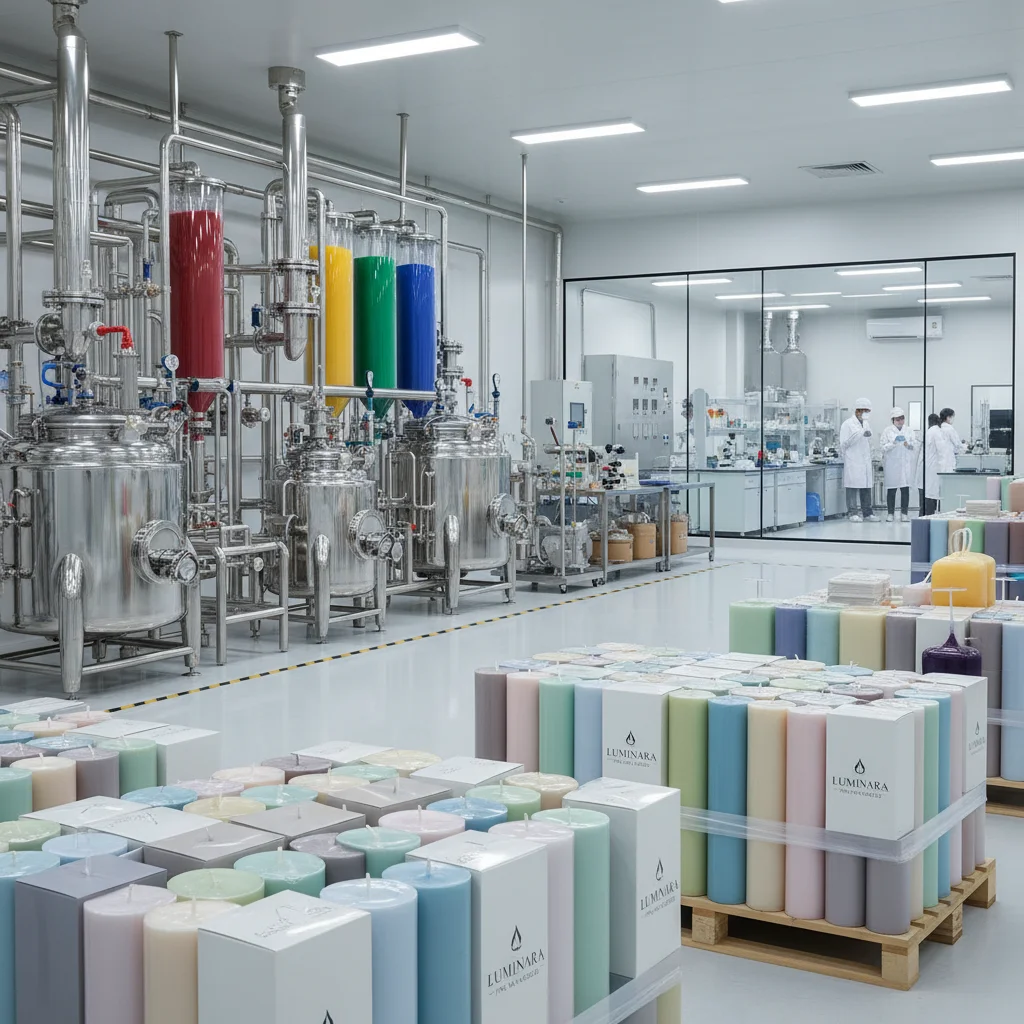
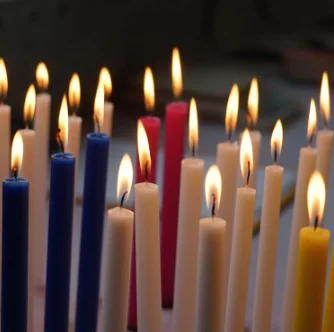
The long stick candle serves as more than just a source of illumination; it is a timeless intersection of artistic design and chemical precision. In the modern era, these candles have evolved from simple utilitarian tools into essential elements of architectural ambiance, religious ceremonies, and high-end interior decor globally.
Understanding the technical composition and the manufacturing nuances of the long stick candle is crucial for wholesalers and retailers. From the selection of paraffin and beeswax blends to the precision of the cotton core, every detail affects the burn rate and the structural integrity of the candle, ensuring it remains upright while consuming its fuel.
By exploring the global demand and the material innovations surrounding the long stick candle, businesses can better navigate the balance between traditional craftsmanship and industrial scalability. This guide delves into the technical specifications, global applications, and future trends that define this specific niche of the chemical products industry.
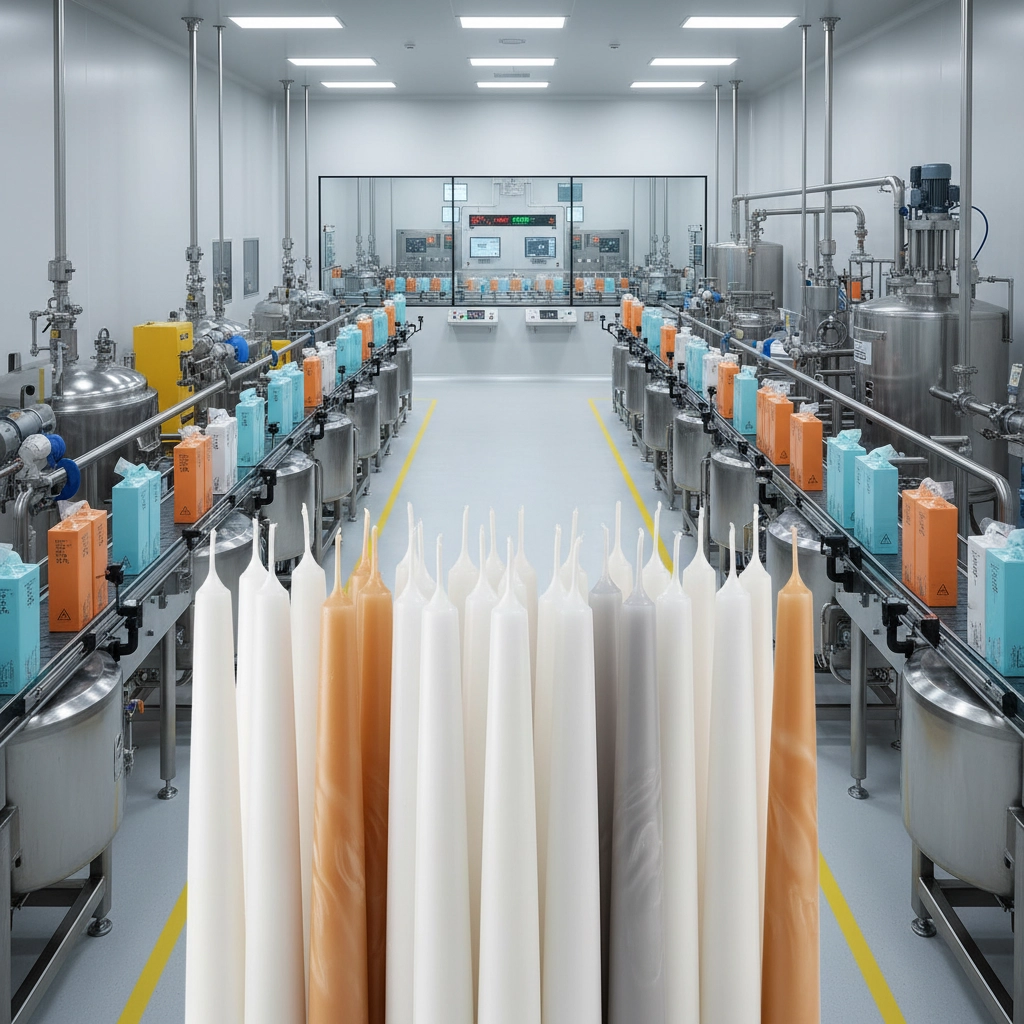
Global Market Context of Long Stick Candles
The global market for the long stick candle remains robust, driven by a resurgence in traditional aesthetics and the persistent need for ceremonial lighting. According to industry trends aligned with ISO quality standards, there is an increasing shift toward eco-friendly wax sources, as consumers in Europe and North America demand paraffin-free alternatives that reduce indoor air pollution.
However, the industry faces a significant challenge in balancing structural rigidity with burn consistency. Because of their height, these candles are prone to bending under heat or snapping during transit, necessitating advanced chemical additives and precise cooling processes during the manufacturing phase to ensure a perfectly straight profile.
Defining the Long Stick Candle and Its Industry Role
In simple technical terms, a long stick candle is a slender, elongated wax cylinder designed for vertical placement, often characterized by a tapered or straight body. Unlike pillar candles, which rely on a wide base for stability, the stick variety is engineered to fit into specific holders, emphasizing a refined silhouette and a controlled, linear burn.
From a chemical manufacturing perspective, these products represent a delicate balance of melting points and viscosity. The role of the stick candle has evolved from a primary light source to a sophisticated tool for "mood lighting" and ritualistic practices, requiring the industry to innovate in pigment stability and scent diffusion without compromising the candle's physical strength.
Modern humanitarian needs have also kept the long stick candle relevant. In regions with unstable electrical grids, high-quality, long-burning stick candles provide a reliable and portable light source, bridging the gap between traditional fuel and modern LED technology while remaining cost-effective for mass distribution.
Core Technical Components for Optimal Performance
The primary determinant of a long stick candle's quality is the wax blend. Paraffin provides an excellent, clean melt, while beeswax offers a higher melting point and a natural aroma, which prevents the candle from drooping in warmer climates.
Wick centering is the second critical component. In a long stick candle, even a slight deviation of the wick from the center can cause "tunneling" or an uneven melt, leading the candle to lean or drip excessively, which poses a safety risk and diminishes the aesthetic value.
Lastly, the cooling process—or annealing—ensures that the wax crystallizes uniformly. By controlling the temperature drop, manufacturers avoid internal stress fractures in the long stick candle, ensuring that it can withstand the pressures of international shipping and varying humidity levels.
Key Factors Influencing Burning Efficiency
Burning efficiency in a long stick candle is measured by the "burn rate" (grams per hour) and the lack of soot production. Achieving a slow, steady burn requires a precise ratio of stearic acid to wax, which hardens the structure and regulates the fuel delivery to the flame.
Furthermore, the diameter of the stick candle must be perfectly calibrated to the wick size. If the wick is too large, the flame consumes the wax too quickly; if too small, the flame will flicker and eventually drown in its own melt pool, leading to premature extinction.
Burning Performance Comparison of Long Stick Candle Variants
Global Applications and Diverse Use Cases
The application of the long stick candle spans multiple sectors. In the luxury hospitality industry, hotels in France and Italy utilize these candles to create a sophisticated dining atmosphere, where the height of the candle adds a vertical dimension to the table setting without obstructing the view between guests.
Beyond luxury, these candles are pivotal in religious and spiritual contexts. From the cathedral spires of Europe to the shrines of Asia, the long stick candle represents a bridge between the earthly and the divine, where the slow consumption of the wax symbolizes the passage of time and the persistence of faith.
Long-Term Value and Sustainability Benefits
Investing in high-quality long stick candle production yields significant long-term value through brand trust and reduced waste. Candles that do not drip or lean are perceived as premium products, allowing manufacturers to command higher margins while reducing the frequency of customer returns due to "defective" bending.
From a sustainability angle, the transition to plant-based waxes like soy or rapeseed for stick candles significantly lowers the carbon footprint. These renewable resources decompose faster and produce fewer toxins, aligning the product with the global movement toward "Green Chemistry" and circular economy principles.
Moreover, the emotional value of a reliable long stick candle—providing a sense of warmth, safety, and dignity during power outages or meditative practices—creates a psychological bond with the consumer that transcends the simple utility of the product.
Future Innovations in Candle Manufacturing
The future of the long stick candle lies in automation and smart materials. We are seeing the introduction of 3D-printed wax molds that allow for intricate, non-linear shapes while maintaining the structural integrity of a long stick, enabling a new era of "architectural" candle design.
Digital transformation is also hitting the factory floor. IoT-enabled cooling tunnels now monitor the temperature of each batch in real-time, ensuring that every long stick candle is cured with mathematical precision to prevent any bowing or warping during the crystallization phase.
Additionally, the development of "scent-release technology" allows for the fragrance to be embedded in layers within the stick candle. As the candle burns down, different scents are released, transforming a simple light source into a chronological olfactory experience.
Analysis of Long Stick Candle Material and Performance Metrics
|
Material Base
|
Structural Rigidity (1-10)
|
Average Burn Time
|
Eco-Friendly Score
|
| Pure Paraffin |
6 |
12-15 Hours |
4 |
| Natural Beeswax |
10 |
20-25 Hours |
9 |
| Soy Wax Blend |
5 |
10-14 Hours |
8 |
| Paraffin + Stearin |
8 |
15-18 Hours |
5 |
| Beeswax + Soy |
9 |
18-22 Hours |
9 |
| Palm Wax Blend |
7 |
14-17 Hours |
6 |
FAQS
Bending usually occurs due to a combination of low-melting-point wax and external heat sources (like sunlight or drafts). If the wax softens too much, the weight of the candle causes it to lean. Using beeswax-blended candles or ensuring a draft-free environment can prevent this structural failure.
Excessive dripping is often caused by an oversized wick or a low concentration of stearic acid. To minimize drips, choose "dripless" variants which use chemical hardeners, and always trim the wick to about 1/4 inch before lighting to ensure a controlled flame.
Generally, yes. Beeswax has a higher melting point, meaning it burns longer and stays straighter. It is also non-toxic and naturally air-purifying, whereas paraffin is a petroleum byproduct. However, paraffin is often preferred for intensely colored stick candles due to its superior pigment absorption.
They should be stored horizontally in a cool, dry place, ideally in a rigid box that prevents them from shifting. Avoid storing them near heaters or in direct sunlight, as the wax can soften and permanently deform the straight profile of the candle.
Yes, but it is recommended to use those with higher melting points (like beeswax blends) to prevent them from melting too quickly in the heat of the lantern. Additionally, ensure the lantern has a wind guard to prevent the flame from flickering, which causes uneven wax consumption.
The key is "vacuum-sealed" or "honeycomb" packaging that immobilizes each candle. Using corrugated dividers and moisture-absorbent silica gel packets helps maintain the structural integrity of the long stick candle during long-haul sea freight through varying temperature zones.
Conclusion
The long stick candle remains a pivotal product in the daily chemical and household manufacturing sector, blending traditional utility with modern material science. By focusing on the critical triad of wax composition, wick precision, and controlled cooling, manufacturers can produce a product that offers both aesthetic elegance and reliable performance. Whether for high-end decor, religious rites, or emergency lighting, the value of a well-engineered stick candle lies in its stability and clean burn.
Looking forward, the industry must continue to pivot toward sustainable, bio-based waxes and automated precision manufacturing to meet the growing demand for eco-conscious luxury. For businesses looking to scale their inventory with professional-grade products, partnering with a manufacturer that understands the chemical nuances of vertical wax structures is essential. Visit our website to discover more: www.seawellcandle.com